


Whipped Tallow Benefits
The skincare world has a new obsession—and it comes from an unlikely source. Whipped tallow, rendered and aerated beef fat from grass-fed cows, has surged across TikTok and Instagram in 2024, with users swearing by its transformative effects on dry, irritated, and winter-stressed skin. But beneath the trend lies centuries of traditional skincare wisdom that modern formulations are now rediscovering.
Quick Answer: Why Whipped Tallow Is Suddenly Everywhere
Whipped tallow is rendered beef fat that has been purified and whipped into a light, fluffy texture—think buttercream rather than waxy balm. This traditional skincare ingredient is trending because it delivers something that many modern skincare products struggle to provide: deep, lasting moisture that actually stays put.
The core appeal comes down to biology. The fatty acid composition of beef tallow closely resembles human sebum, the natural oil your skin produces. This means whipped tallow integrates into your skin barrier rather than sitting awkwardly on top, offering intense hydration without the synthetic ingredients found in conventional lotions.
Whipped tallow works best for those with dry skin, sensitive skin, eczema-prone complexions, or mature skin showing signs of dehydration. If you have oily skin or acne prone skin, you’ll want to proceed with caution—this is a rich product that may not suit every face.
Here’s a concrete example: many users report that chapped winter hands soften noticeably within 2-3 days of nightly use with just a pea-sized amount. That’s the kind of rapid improvement that’s driving the beef tallow trend forward.
The benefits come from its fatty acid profile and fat soluble vitamins—not from miracle claims or marketing hype. Set your expectations realistically, and whipped tallow can become a powerful tool in your skincare routine.
Key benefits at a glance:
Delivers deep, long-lasting moisture that outlasts water-based lotions
Reinforces the skin’s moisture barrier against weather, soap, and irritants
Contains naturally occurring vitamins A, D, E, and K in gentle, food-level amounts
Soothes wind chapped skin, cracked heels, and chronically dry patches
Works with minimal ingredients, appealing to those avoiding synthetic fragrances and preservatives
What Exactly Is Whipped Tallow?
Tallow is rendered animal fat, purified through a careful heating process that removes impurities and leaves behind a clean, stable fat. When we talk about whipped tallow in skincare, we’re typically referring to beef tallow sourced from grass-fed cattle—cow fat that has been processed and aerated to create something far more elegant than its humble origins might suggest.
The difference between plain tallow and whipped tallow is significant. Plain rendered beef fat is firm and waxy at room temperature, similar to the consistency of coconut oil when it’s solidified. Whipped tallow, by contrast, has been aerated through a whipping process that incorporates air and often blends in lightweight plant oils like jojoba oil or sunflower oil. The result is a soft, fluffy texture that spreads easily and absorbs without the heavy, greasy sensation you might expect from an animal fat, especially when created with a careful three‑stage whipped tallow process.
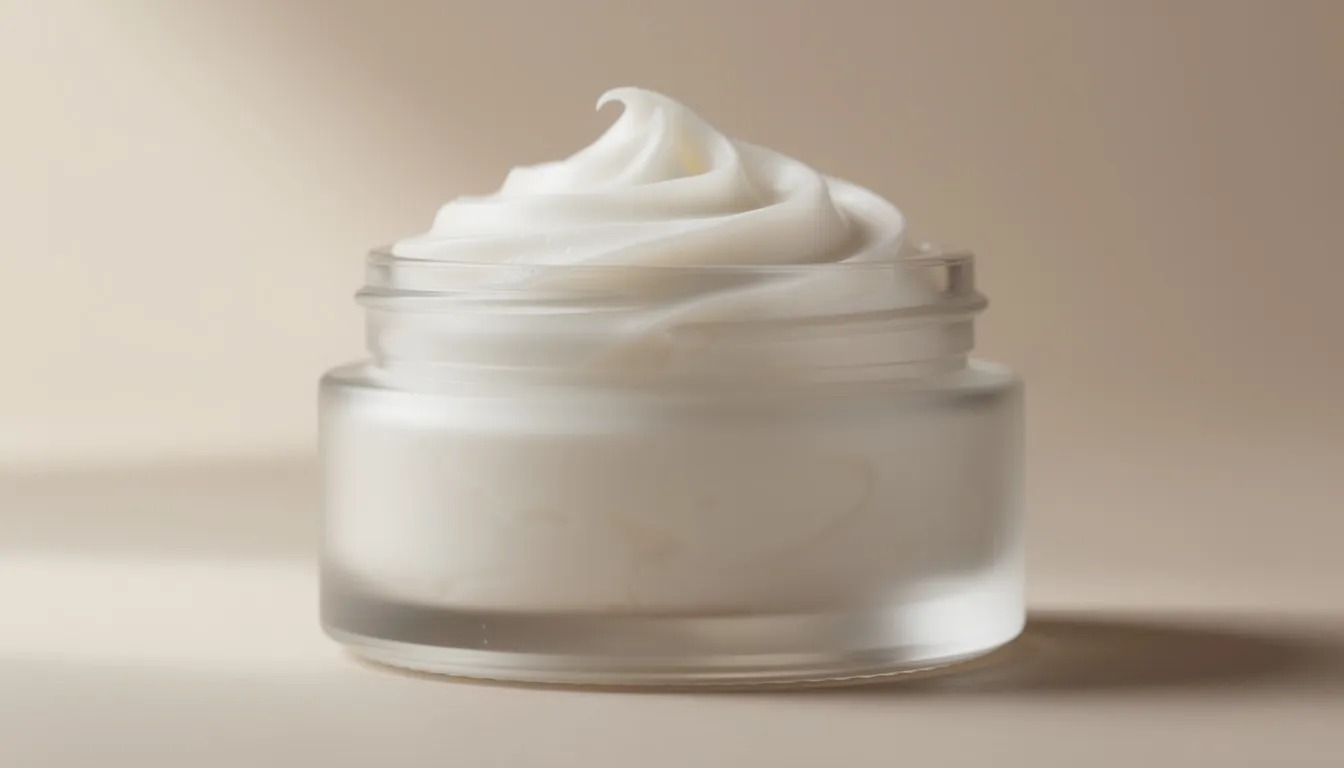
Historically, tallow was a staple in traditional skincare long before petroleum-based products dominated the 20th century. European and North American households used beef fat for soaps, balms, and healing salves for centuries. Modern whipped tallow represents a return to these roots, updated with all‑natural tallow skincare formulation techniques for a more refined experience.
Quick summary:
Definition: Rendered, purified fat from ruminant animals, primarily grass-fed beef cattle
Texture: Off-white, semi-solid at room temperature, melts at body temperature (around 98.6°F)
Appearance: Fluffy, buttercream-like when properly whipped
Typical ingredients: Tallow plus 1-3 complementary oils (jojoba, sunflower, or similar), sometimes with light essential oils for scent
Inside Whipped Tallow: Why Skin Responds So Well
Understanding why whipped tallow works requires a quick look at the science—but don’t worry, we’ll keep this accessible rather than drowning you in chemistry.
The fundamental reason tallow for skin works so well comes down to compatibility. The lipid profile of beef tallow closely mimics human sebum, the natural oil your skin produces to maintain hydration and protection. When you apply a product that “makes sense” to your skin’s natural composition, it integrates into the moisture barrier rather than creating an artificial layer that your skin doesn’t recognize.
Quality whipped tallow made from grass fed tallow contains a balanced mix of saturated fats, monounsaturated fats, and smaller amounts of polyunsaturated fats, plus trace fat-soluble vitamins embedded in the fat matrix. Unsaturated fats, which are found in higher concentrations in liquid plant oils like olive and canola oil, are generally considered healthier for dietary purposes and are recommended for heart health, whereas tallow is higher in saturated fats. This composition is what supports the softness, resilience, and calmer barrier that users report—especially those with very dry skin or reactive, easily irritated complexions, and it’s the foundation for beginner‑friendly tallow skincare routines.
Fatty Acid Profile: The Skin-Mimicking Fats
The fatty acids in beef tallow are the real stars of the show. Here’s what you’re working with:
Oleic acid makes up approximately 40-50% of tallow’s fatty acid composition. This monounsaturated fat is the same one found in olive oil, and it’s responsible for the smooth slip and spreadability that makes whipped tallow feel more like a rich cream than a waxy balm. Oleic acid also enhances penetration, helping the product integrate into your skin rather than sitting on top.
Stearic acid (24-30%) and palmitic acid (25-30%) are saturated fats that provide structural support. These fatty acids help reinforce the stratum corneum—your skin’s outermost protective layer—reducing flakiness and rough patches by strengthening the lipid matrix that holds everything together.
Smaller amounts of linoleic acid (around 3%) and conjugated linoleic acid (CLA, up to 2-4% in grass-fed sources) round out the profile. The similarity to human sebum helps many people with dry or compromised barriers tolerate tallow better than some seed oils or vegetable oils, which can have very different fatty acid ratios.
Fat-Soluble Vitamins A, D, E, and K
Grass-fed whipped tallow naturally contains low levels of vitamins A, D, E, and K within the fat matrix. These are bioavailable—meaning your skin can actually use them—because they’re embedded in fat rather than suspended in water.
It’s crucial to understand that these are gentle, food-level amounts. We’re talking roughly 100-500 IU of vitamin D per 100g of fat, for example. These are not the high concentrations you’d find in prescription retinoids or potent vitamin c serums from modern skincare.
Here’s what each vitamin contributes:
Vitamin A (retinol precursors): Supports cell turnover and smoother texture without the irritation of strong retinoids
Vitamin D: Aids general skin support and immune modulation
Vitamin E: Acts as an antioxidant, helping combat oxidative stress from environmental exposure
Vitamin K: May support overall skin appearance, elasticity, and resilience
Whipped tallow should not be marketed as a “retinol replacement” or positioned as a treatment product. Think of it as a nutrient-supportive body moisturizer and facial occlusive that provides gentle, cumulative benefits rather than dramatic overnight transformations.
Conjugated Linoleic Acid (CLA) and Other Minor Components
Conjugated linoleic acid is a naturally occurring fatty acid found in beef fat, with notably higher concentrations in grass-fed animals (2-4%) compared to conventionally raised cattle (less than 1%).
Preliminary lab studies suggest CLA may have mild anti-inflammatory properties, potentially inhibiting pro-inflammatory pathways and helping calm general redness or irritation. Some research also indicates antimicrobial effects that could benefit skin dealing with minor irritation or post-shave sensitivity.
However, human clinical data remains limited. A 2024 review aggregating 19 studies showed improved hydration from tallow-based emulsions, but there is very little research on CLA’s specific effects on human skin in real-world conditions. Position CLA as a helpful bonus in grass-fed products, not as a medically proven treatment for any condition.
Tallow also contains small amounts of other bioactive compounds that may contribute to overall comfort for sensitive or stressed skin, though these haven’t been extensively studied.
Real Benefits of Whipped Tallow for Skin
Now that we’ve covered the “why,” let’s talk about the practical, everyday benefits users actually notice when they switch to whipped tallow for several weeks.
Results are most obvious on very dry, rough, or reactive skin—think winter hands that crack no matter how much lotion you apply, shins that look perpetually ashy, elbows with texture you can see from across the room, and cracked heels that catch on your sheets.
Consistency matters here. Improvement often becomes noticeable after 5-7 days of nightly use on problem areas. This isn’t a one-application miracle worker—it’s a cumulative process of supporting your skin health through barrier reinforcement and deep occlusion.
Deep, Long-Lasting Moisture for Dry and Flaky Skin
Whipped tallow forms an occlusive yet breathable layer that dramatically reduces transepidermal water loss—the technical term for moisture escaping from your skin’s surface. Studies on similar lipid-rich emollients suggest reductions in water loss of 20-30%, which translates to skin that stays hydrated much longer than with conventional products.
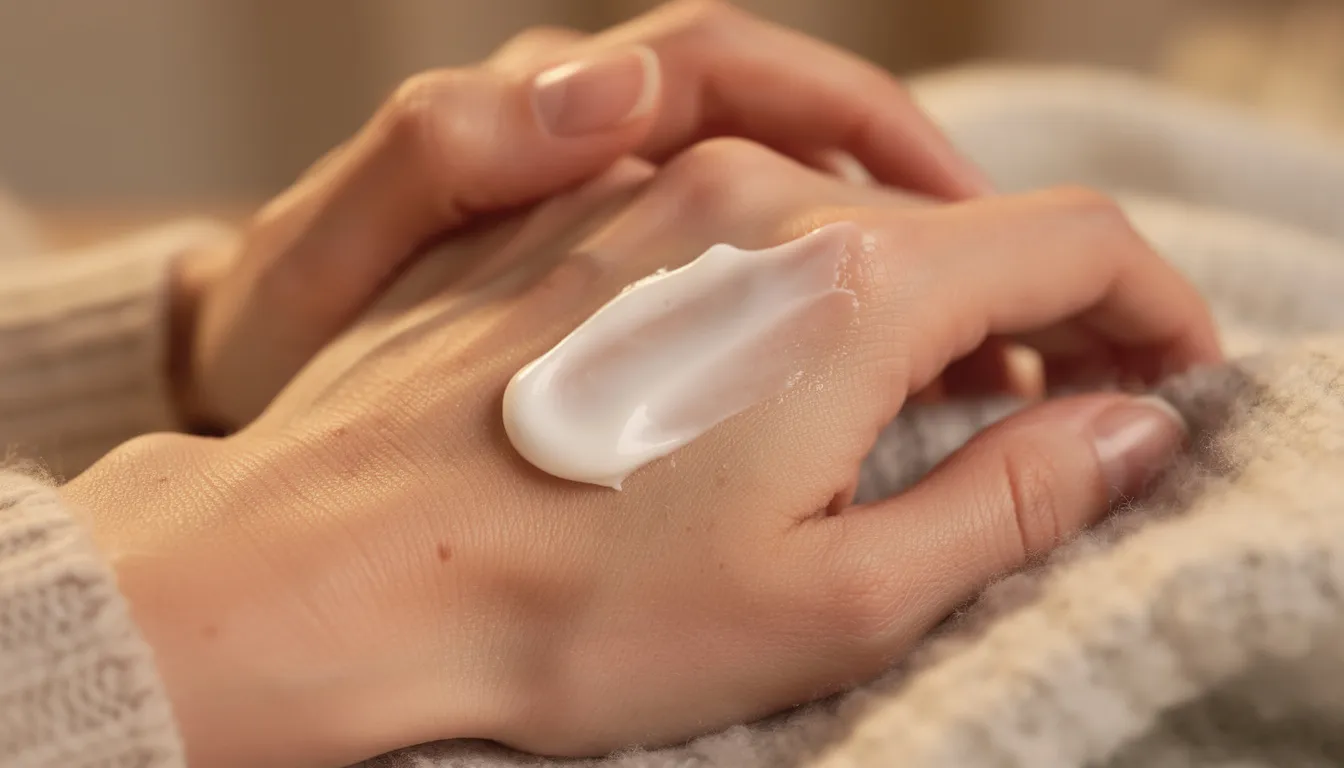
This occlusion helps rough, ashy legs, cracked heels, and chronically dry hands feel softer overnight and continue improving with continued use. After 5-7 days, many users report visible reduction in flakiness on elbows, shins, and knuckles.
Here’s a concrete example: applying a pea-sized amount on each hand at bedtime can keep skin supple through repeated handwashing the next morning. Water-based lotions often can’t deliver this staying power because they lose 50-70% of their efficacy through evaporation within hours.
The difference is tangible. Where a standard lotion might leave you reapplying three times before lunch, whipped tallow applied once at night can soften skin and protect skin through an entire day of normal activity.
Barrier Protection Against Weather, Soap, and Irritants
Beyond moisture, whipped tallow helps shield skin from environmental stressors: cold wind that leaves your face raw, dry indoor heating that saps humidity from the air, and frequent handwashing with harsh cleansers that strip your natural oils.
The fatty acids in tallow reinforce the lipid matrix in the stratum corneum, making skin less prone to tightness, cracking, and stinging. Users report less post-wash tightness when they’ve applied whipped tallow the night before, and anecdotal cases describe faster healing on windburned cheeks and chapped lips.
Common use cases include using beef tallow for dry skin on areas that need extra protection and moisture:
Applied before outdoor winter activities to create a protective shield
Used after showering to seal in moisture before it evaporates
Worn as a nightly hand and foot mask under cotton gloves or socks
Applied to face and neck before skiing, hiking, or other cold-weather exposure
This is supportive care, not a medical barrier cream. But for everyday protection against the elements, whipped tallow holds its own against products with much longer ingredient lists.
Soothing Support for Sensitive, Stressed, or Eczema-Prone Skin
Many people with reactive or eczema-prone skin seek out whipped tallow specifically because of its minimal ingredient lists. When you’ve developed contact dermatitis from yet another lotion with 30+ ingredients, a tallow balm with three components starts to look very appealing.
A study on 78 participants with atopic dermatitis and psoriasis using a tallow-walnut oil emulsion demonstrated increased hydration, effective moisturization, and reduced microbial irritation. The formulation functioned as a disinfectant while calming itchiness—though researchers emphasized this does not constitute a cure.
For sensitive skin users, whipped tallow’s occlusive, nutrient-rich layer can help reduce feelings of tightness, itchiness from dryness, and post-shower stinging when used consistently. Many find that avoiding synthetic fragrances entirely—choosing unscented whipped tallow—provides the best results.
Important: Whipped tallow is not a cure for eczema, psoriasis, or any medical condition. Use it alongside guidance from a healthcare provider when dealing with diagnosed skin conditions. And always patch test on a small area for several days before applying to larger compromised patches, particularly with children.
Helping the Skin Feel More Balanced and Resilient Over Time
By reinforcing the lipid barrier, whipped tallow can gradually reduce how often skin feels “tight,” “ashy,” or easily irritated. This is a cumulative benefit that emerges over weeks of consistent use rather than overnight.
Many users report smoother texture on shins, knees, and hands after 2-3 weeks of regular application. The rough, sandpaper feeling gives way to supple skin that stays comfortable longer between applications.
Interestingly, some people with combination or mildly oily-but-dehydrated skin find that a thin layer on cheeks or around the nose helps reduce the overcompensation oiliness that happens when harsh cleansers strip the skin barrier too aggressively. When skin stops feeling threatened and dry, it may produce less excess sebum in response.
If you want to experiment with facial use, start with body applications first. Once you’ve confirmed your body skin tolerates it well, cautiously try areas prone to dryness (outer cheeks, around the eyes, neck) rather than the T-zone.
Who Benefits Most (and Who Should Be Cautious)
Not everyone will have the same experience with whipped tallow. Your skin type, history, climate, and even the specific product formulation all influence outcomes. What transforms cracked heels on one person might congest pores on another.
Body skin and facial skin respond differently to heavy occlusives. The thick, resilient skin on your shins can handle rich products that would overwhelm the delicate, pore-dense skin on your nose. Keep this in mind as you read through the following guidance.
Very Dry, Cracked, or Winter-Stressed Skin
If you’re dealing with visibly flaky legs, cracked heels that snag on socks, rough hands that feel like sandpaper, or elbows that stay ashy even after moisturizing, whipped tallow is likely to become your new favorite product.
Heavy occlusion and skin-like fats perform exceptionally well on this type of skin because the problem is fundamentally about moisture loss and barrier dysfunction. Gel-textured moisturizers and lightweight lotions evaporate too quickly to make a real difference—you need something that stays put.
Suggested usage patterns:
Nightly application after showering during winter months (November-March in cold climates)
Spot-treating heels and knuckles with a rice-grain to pea-sized amount
Using as an overnight treatment under cotton socks or gloves for intensive repair
Typical timeframe for noticing improvement: often within 3-5 nights on hands and heels with consistent use. Don’t overdo the amount—start small and add more only if skin still feels dry after 5-10 minutes.

Minimalist and Sensitive-Skin Users
If you react to long ingredient lists, synthetic fragrances, and multiple actives layered together, the simplicity of whipped tallow may be exactly what you need.
Many whipped tallow balm formulas contain only tallow plus 1-3 simple natural oils—jojoba, sunflower, or similar—and optionally a mild essential oil blend or none at all. Some products are just pure whipped tallow. That’s it.
Fewer ingredients means fewer potential allergens and irritants. For people with a history of contact dermatitis or sensitivity to preservatives commonly found in water-based products, this minimalist approach reduces variables.
Recommendations:
Look for unscented or very lightly scented versions
Perform a 3-4 day patch test on inner forearm before facial or large-area body use
Pair with a gentle, fragrance-free cleanser
Skip harsh exfoliants on reactive skin when introducing any new occlusive
The “less is more” approach aligns well with natural skincare philosophy: support the barrier with compatible fats, avoid stripping it with aggressive products, and let skin do what it’s designed to do.
Oily, Combination, and Acne-Prone Skin
Here’s where we need honest conversation. Tallow is considered heavy, and many dermatologists recommend avoiding thick animal fats on acne prone skin due to risk of clogged pores and breakouts.
Does tallow clog pores for everyone? No. Comedogenic ratings (tallow rates around 2-3 on a 0-5 scale) are guides, not guarantees. But the risk is real, especially if you apply thick layers to your entire face without testing first.
Cautious usage ideas for those who still want to try:
Limit to body use entirely—legs, arms, hands, feet
If testing on face, apply only to dry, non-acne-prone zones (around eyes, neck, outer cheeks) while avoiding congested T-zones
Patch test on the jawline for a full week before broader facial application
Discontinue immediately if new clogged pores, whiteheads, or cystic breakouts appear
If you have consistently oily skin or breakout-prone faces, plant-based alternatives like squalane, jojoba oil, or lightweight hyaluronic acid serum may provide barrier support without the comedogenic risk, while beef tallow face care is better reserved for dry, sensitive, or mature areas applied sparingly. Using beef tallow doesn’t make sense for everyone, and that’s okay.
Suitable for Mature Skin
Mature skin often faces unique challenges, such as increased dryness, loss of elasticity, and the appearance of fine lines. Whipped tallow is especially well-suited for mature skin because its fatty acid profile—rich in oleic acid, palmitic acid, and stearic acid—closely mirrors the natural oils produced by human skin. This compatibility allows tallow to deeply moisturize and reinforce the skin’s moisture barrier, helping to soften fine lines and maintain supple skin.
The fat soluble vitamins found in grass-fed tallow, including vitamins A, D, E, and K, provide gentle antioxidant support and promote skin regeneration, which is essential for mature skin health. Additionally, the presence of conjugated linoleic acid (CLA) offers anti inflammatory properties that can help calm irritation and redness, common concerns as skin ages.
When selecting a whipped tallow balm for mature skin, look for products made from grass-fed sources with a neutral scent and minimal added ingredients, such as a vanilla whipped tallow moisturizer formulated specifically for deep, gentle nourishment. This ensures you’re getting the full benefit of tallow’s natural oils and fatty acids without unnecessary irritants. Used consistently, whipped tallow can help restore resilience, support the skin’s barrier, and leave mature skin looking nourished and healthy.
Ethical, Environmental, and Lifestyle Considerations
Using an animal-derived ingredient raises legitimate questions for vegans, vegetarians, and those focused on environmental impact.
Tallow is typically a byproduct of the meat industry. Some brands position its use as “nose-to-tail” and waste-reducing—utilizing parts of the animal that would otherwise be discarded. When sourced from small, grass-fed, or regenerative farms, this framing has merit. The fat exists regardless of whether it’s used for skincare, and finding value in it reduces overall waste.
However, ethical sourcing varies widely. Not all tallow comes from humane or environmentally responsible operations. Readers who care about this should look for transparent information on farm practices, grass-fed status, and local sourcing. Some brands provide detailed information about their supply chain; others don’t.
For those who prefer non-animal products entirely, plant-based alternatives include:
Shea butter
Cocoa butter
Mango butter
Oat oil
Sunflower oil
These can provide similar occlusive and barrier-supporting benefits, though their fatty acid profiles differ from tallow’s sebum-mimicking composition.
How to Use Whipped Tallow in a Modern Routine
Whipped tallow works best as a final, occlusive step to seal in hydration—not as a complete modern skincare routine on its own, even when you’re using dedicated beef tallow face care products. Think of it as the lid on the jar: it locks everything in but works better when there’s something underneath to lock.
General usage principles:
Apply to slightly damp skin for better integration
Use very small amounts (less than you think you need)
Focus on problem areas first before applying broadly
Distinguish between body and face routines
Application Tips: Getting the Most from a Small Amount
Start smaller than you think necessary:
Hands: Pea-sized amount for both hands combined
Legs: Dime-sized amount per leg
Face: Rice-grain amount, if using at all
Heels/elbows: Rice-grain to pea-sized per area
Warm the whipped tallow between your fingertips or palms until it becomes translucent or clear. This melting process helps the product spread evenly and absorb more readily than pressing solid balm directly onto skin.
Apply immediately after a lukewarm shower, or after misting with water or using a hydrating serum. The goal is to have some moisture on your skin for the tallow to seal in. Applying to bone-dry skin still works, but you’ll get more benefit from layering over damp skin.
Focus first on legs, arms, hands, and feet. These areas tolerate heavy occlusives well and show results quickly. Add facial use only after confirming that body skin tolerates the product without issues—and even then, start with 1-2 nights weekly on dry patches only.
How Often to Use Whipped Tallow
Frequency depends on your skin’s needs, your climate, and how your skin responds:
Skin Condition |
Climate |
Suggested Frequency |
|---|---|---|
Very dry, cracked |
Cold, dry (Midwest winters) |
Nightly on body, 3-5x weekly on face if tolerated |
Normal-dry |
Moderate |
2-3 times weekly on body |
Maintenance |
Humid |
Seasonal use, winter travel days, post-sun exposure |
People in cold, dry climates may use whipped tallow daily from November through March, while those in humid climates might reserve it for winter months, airplane travel, or recovery after sun exposure. |
For faces, start with 1-2 nights per week on dry patches and increase only if skin responds well without becoming congested. Let visible results (less flaking, fewer cracks) and subjective comfort guide your frequency rather than sticking rigidly to a schedule.
Patch Testing and Safety Basics
True patch testing takes patience but prevents bigger problems:
Apply a small amount to inner forearm or behind the ear
Repeat once daily for 3-4 days
Monitor for redness, itchiness, bumps, or rash
If no reaction occurs, proceed to broader use
For acne-prone users considering facial application, test on one area along the jawline or side of the neck for 7 full days before applying to the whole face. This gives time for congestion-related breakouts to appear.
Critical safety notes:
Individuals with beef allergies or alpha-gal syndrome should avoid tallow entirely and consult a physician
Discontinue use and seek medical advice if severe irritation, hives, or worsening skin conditions occur
Avoid use on open wounds, active infections, or fresh, weeping eczema patches without medical supervision
Does Tallow Clog Pores?
A frequent question about using beef tallow in skincare is whether it will clog pores, especially for those with sensitive skin, oily skin, or acne prone skin. The answer isn’t one-size-fits-all. Tallow is moderately comedogenic, meaning it has the potential to clog pores, particularly if applied in thick layers or used on acne prone areas. However, many people with dry or normal skin find that tallow does not cause breakouts when used appropriately.
If you have acne prone skin or are concerned about congestion, it’s best to start with a patch test—apply a small amount of whipped tallow to a discreet area and monitor for any signs of clogged pores or irritation over several days. For those with oily skin, using a thin layer and focusing on dry patches rather than the entire face can help minimize risk. Pairing tallow with lightweight, non-comedogenic skincare products, such as a hyaluronic acid serum, can also support skin regeneration and hydration without overwhelming the skin.
Ultimately, whether tallow will clog pores depends on your unique skin type, how much you use, and the overall balance of your skincare routine. Listen to your skin, introduce new products gradually, and adjust usage as needed to maintain clear, healthy skin.
How Whipped Tallow Compares to Other Moisturizers
Whipped tallow occupies a unique space in the natural skincare world. It’s neither a plant oil nor a water-based cream—it’s rendered animal fat with a lipid composition that closely matches what your skin produces naturally.
Being “natural” doesn’t automatically mean “better” for every skin type. Coconut oil is natural and clogs pores for many people. Shea butter is natural and feels too waxy for some. Context and individual reaction matter more than marketing claims.
Whipped Tallow vs. Popular Plant Oils and Butters
Compared to coconut oil: Both are rich and occlusive, but coconut oil has a higher concentration of lauric acid and a more established reputation for clogging pores—some estimates suggest 20-30% of users experience comedogenic reactions. Tallow’s fatty acids more closely resemble human sebum, which may improve compatibility for many users.
Compared to shea butter: Shea and cocoa butter are plant-based alternatives that provide similar heaviness and protection. However, they can feel waxier and absorb more slowly than well-whipped tallow blended with lighter oils. Some users find plant butters leave more greasy residue.
Compared to seed oils (sunflower, oat, etc.): Lighter seed oils absorb quickly and work well for many skin types but can oxidize faster if not stabilized. Highly unsaturated oils may irritate some very sensitive skin types. Tallow’s higher saturated fat content provides stability and resistance to oxidation.
Tallow’s stability and similarity to skin lipids make it appealing for people who struggle with irritation from highly unsaturated oils. View it as one option in a toolkit rather than a replacement for every other oil or butter, and consider sourcing bulk beef tallow for skin if you enjoy formulating your own products.
Whipped Tallow vs. Conventional Lotions and Creams
Standard skincare products are typically oil-in-water emulsions containing water, oils, emulsifiers, preservatives, and often fragrance and active ingredients. Many also include dietary fats derivatives, synthetic occlusives, and stabilizers.
Whipped tallow is usually water-free, more concentrated, and free of conventional preservatives due to its anhydrous (water-free) nature. No water means no bacterial growth concerns and no need for the preservatives that cause reactions in some sensitive skin users.
Pros of whipped tallow:
Higher richness—a little goes a long way
Often fewer potential irritants
Longer-lasting moisture due to strong occlusion
Neutral scent when properly rendered (no need for masking fragrances)
Cons of whipped tallow:
Heavier feel than silicone-based or gel products
Less “slip” than many modern formulations
Not ideal under makeup for many people due to richness
May soften fine lines appearance but won’t address them like dedicated treatments
Position whipped tallow as a powerful night and body treatment. Lighter lotions, gels, or a balanced diet approach to skincare may still be better suited for daytime face use, humid climates, or layering under makeup.
Combining Whipped Tallow with Modern Skincare
Whipped tallow can be a powerful addition to a modern skincare routine, especially for those seeking natural skincare solutions that deliver deep hydration and barrier support. For dry skin, using whipped tallow as the final step in your routine helps lock in moisture and protect the skin’s barrier, especially when layered over a hydrating product like a hyaluronic acid serum. This combination can help soften fine lines, reduce dry patches, and leave skin feeling supple and resilient.
If you have oily skin or acne prone skin, moderation is key. Apply only a thin layer of whipped tallow to areas that need extra moisture, and avoid over-applying to the T-zone or breakout-prone areas. Combining whipped tallow with modern skincare products that help reduce inflammation and control oil—such as gentle cleansers, lightweight serums, and targeted treatments—can help you achieve balanced, healthy skin without clogging pores.
For best results, use whipped tallow as an overnight treatment, allowing its fatty acids and fat soluble vitamins to work while you sleep. In the morning, you’ll notice softer skin and improved texture, especially on dry or mature areas. By thoughtfully integrating whipped tallow into your modern skincare routine, you can enjoy the benefits of both traditional and contemporary approaches to skin health.
Potential Drawbacks, Myths, and How to Choose a Good Product
Whipped tallow is polarizing online. You’ll find enthusiastic fans who claim it cured decades of skin struggles, and strong critics who insist it’s overhyped beef grease. The truth, as usual, lies somewhere in between.
Let’s address the concerns honestly and help you choose wisely if you decide to try it.
Common Misunderstandings About Whipped Tallow
“Whipped tallow always clogs pores”
This isn’t universally true. Comedogenic ratings are guides based on averages, but real-world outcomes depend on formula, amount used, and individual skin. Many users with dry or normal skin use tallow on their faces without issues. Others break out immediately. The only way to know is careful patch testing.
“Tallow smells like beef”
Properly rendered, purified tallow from reputable sources should have a neutral scent—faint at most. If a product smells strongly of meat, it may be poorly rendered or improperly stored. Quality matters enormously here. A good whipped tallow balm smells like… almost nothing.
“Animal-derived means dirty or unsafe”
Careful rendering and hygiene practices yield clean, stable skincare fats. Tallow has been used safely for centuries. Modern production from reputable sources involves purification that removes impurities and potential contaminants.
“No ceramides means it can’t support the barrier”
Skin regeneration doesn’t require added ceramides. Tallow’s fatty acids play structural, protective roles in the stratum corneum even without ceramide content. The barrier-supporting benefits come from the fats themselves.
“It works miracles overnight”
Social media “miracle cure” stories are anecdotal. Some people see dramatic improvement; others don’t. Weigh enthusiastic testimonials against dermatological guidance and your own testing. Beef tallow benefits are real but not magical.
How to Choose a High-Quality Whipped Tallow Cream
Not all whipped tallow products are created equal. Quality varies significantly based on sourcing, rendering method, and formulation choices.
Prioritize:
Grass-fed, preferably pasture-raised tallow (cleaner nutrient profile, more ethical sourcing)
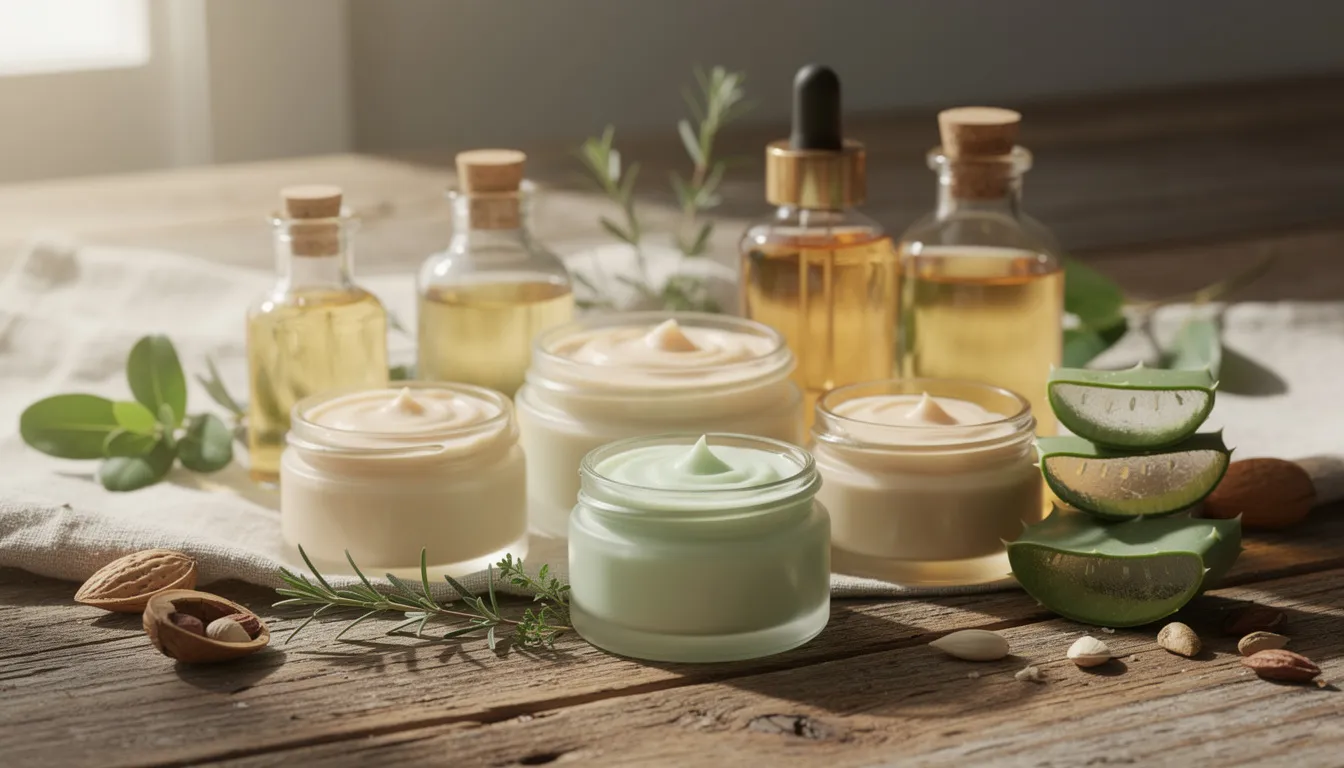
Short ingredient lists (tallow plus 1-3 complementary, non-comedogenic plant oils)
Minimal or no added fragrance
Brands that share specific sourcing details (farm region, rendering method)
Small-batch or low-temperature processing mentioned
Avoid:
Unnecessary fillers or thickeners
Heavy synthetic fragrances
Undisclosed “proprietary blends”
Products with no sourcing information whatsoever
Storage: Keep in a cool, dark place with lids tightly closed. Tallow is stable but can develop off odors if exposed to heat, light, or air over extended periods. If your product starts smelling rancid or unusual, discard it.
The Bottom Line: Is Whipped Tallow Worth Trying?
Whipped tallow is a richly moisturizing, barrier-supportive option especially suited to very dry skin, sensitive skin, and winter-exposed complexions. Its fatty acids closely mimic human sebum, allowing it to integrate into the skin’s natural moisture barrier rather than creating an artificial film. For the right skin types, it delivers results that conventional lotions struggle to match.
That said, it is not a cure-all. It’s not ideal for every skin type, and it should be approached with patch testing—especially if you have acne prone or highly reactive facial skin. The tallow clog pores concern is legitimate for some users, and respecting your skin’s individual response matters more than following any trend.
Encourage yourself to use whipped tallow as a simple, intentional step in a streamlined routine, whether you’re exploring a brand’s recent tallow skincare posts for education or browsing their best‑selling whipped tallow products for everyday use. Let it work as your final occlusive layer, sealing in moisture from damp skin or a hydrating serum underneath. Skip the urge to layer it with multiple actives; simplicity is part of the appeal.
Listen to your skin. Choose products with transparent sourcing from grass-fed cattle. Adjust usage based on how your skin actually responds over several weeks rather than expecting overnight transformation.
The continued return to traditional, nutrient-dense skincare fats represents something meaningful in modern skincare: an acknowledgment that sometimes the old ways worked for good reasons, and that a balanced diet of skin-compatible lipids may serve us better than endless synthetic innovations. Whipped tallow isn’t for everyone—but for those it suits, it can become an irreplaceable part of skin care that actually makes sense.
Ready to experience the benefits of whipped tallow? Shop Lady May Tallow skincare products — grass-fed, small-batch, and made to perform.


