


How to Make Tallow Lotion: A Simple, Nourishing Recipe for Natural Skincare
Introduction to Tallow Lotion
Tallow lotion brings you back to what skin care was always meant to be—simple, nourishing, and deeply connected to the land. This rendered fat from grass-fed cattle has protected and healed skin for generations, long before the ingredient list on modern creams stretched into unpronounceable territory.
This guide is perfect for anyone seeking a natural, effective alternative to commercial moisturizers—especially those with sensitive, dry, or reactive skin.
Tallow is rendered visceral fat from ruminant animals, commonly cows, and is known for its nutrient density and protective properties in skincare. Whipped tallow lotion is a nutrient-dense, deeply moisturizing cream made from grass-fed beef suet, which contains vitamins A, D, E, and K, beneficial for skin health.
Making your own tallow lotion at home means you control every element that touches your body. No petroleum derivatives. No synthetic preservatives. Just pure, nutrient-rich fat that your skin recognizes as its own.
The beauty of this recipe lies in its simplicity. A few quality ingredients, basic kitchen tools, and perhaps thirty minutes of your time yield a skincare product that outperforms most anything lining store shelves. Your grandmother’s grandmother would recognize this ritual—and that’s precisely the point.
Why Choose Tallow for Your Skin
Here’s what most people don’t realize: tallow’s fatty acid profile mirrors human sebum almost perfectly. Your skin doesn’t have to work to understand this ingredient—it simply absorbs what it needs for moisture, repair, and protection.
Grass-fed tallow arrives rich in fat-soluble vitamins that modern diets often lack. Vitamin A supports cell turnover and helps calm acne prone skin. Vitamin D brings anti inflammatory benefits that soothe irritated conditions. Vitamin E acts as a powerful antioxidant, offering protection from sun exposure damage. And vitamin K supports the elasticity that keeps skin supple as years pass.
The conjugated linoleic acid (CLA) in quality tallow promotes collagen production and helps reduce fine lines—those anti aging properties our grandmothers achieved without serums or treatments. This fat penetrates deeply without clogging pores, making it suitable for dry skin and oily skin types alike.
For those struggling with eczema or sensitive conditions, beef tallow skin care offers gentle relief where synthetic creams fall short. Its natural composition supports your skin’s barrier function rather than disrupting it.
Essential Ingredients for Tallow Lotion
Grass-Fed Tallow (4 ounces) — The foundation of everything. Source this from a regenerative farmer if possible or consider buying all-natural beef tallow in bulk. Not all tallow is created equal—grass-fed varieties contain significantly more nutrients than grain-fed alternatives. The fat from a ruminant animal raised on pasture carries the health of that land into your skincare routine.
Carrier Oil (2 tablespoons) — Jojoba oil remains the gold standard here, as its composition closely resembles human sebum. Olive oil brings vitamin E and moisture locking properties. Coconut oil works beautifully for body application, though those with acne prone skin may prefer jojoba for facial use. Sweet almond oil offers another gentle option, and understanding the complete guide to tallow can help you choose complementary oils.
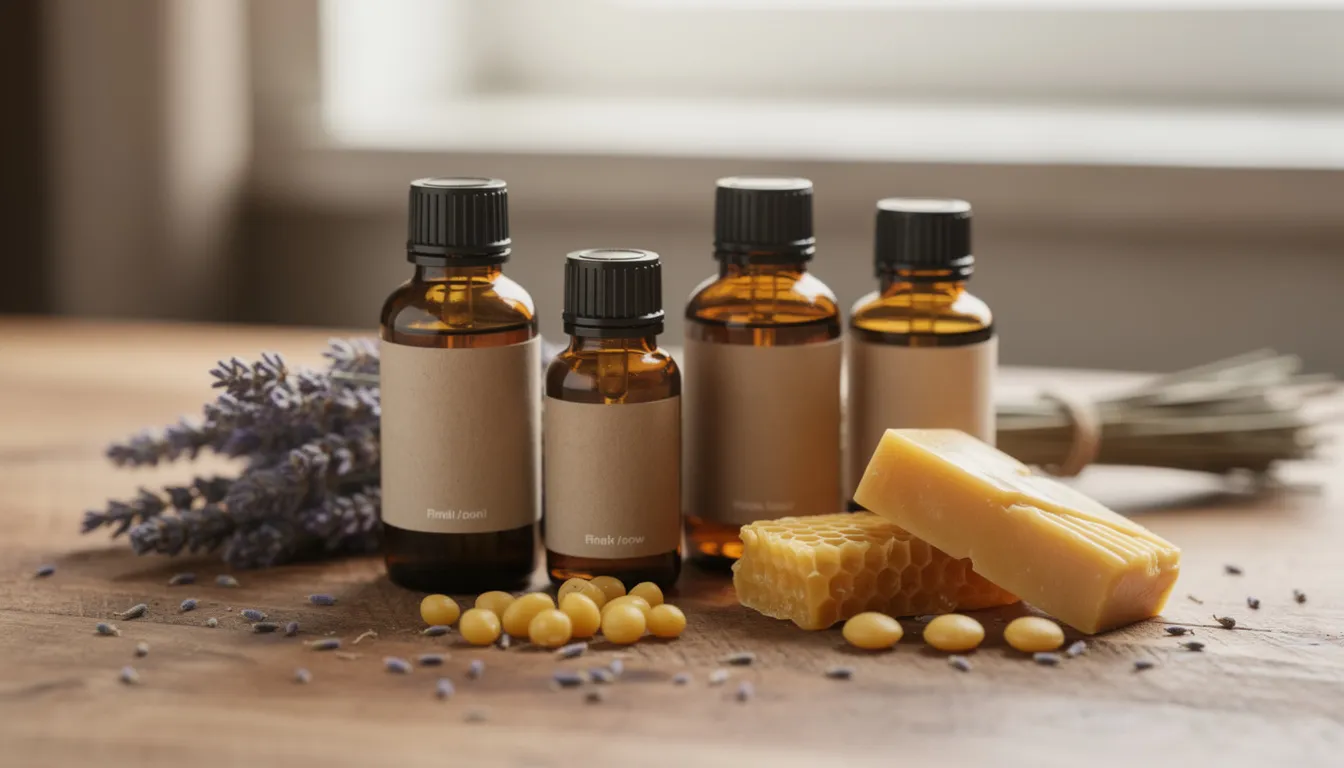
Beeswax (1 tablespoon) — This natural wax gives your lotion structure and helps it maintain consistency across temperature changes. It also adds a protective layer that seals in moisture without suffocating skin.
Vitamin E Oil (1 teaspoon) — A natural preservative that extends shelf life while delivering additional antioxidant benefits directly to your skin; it pairs beautifully with personalized tallow skin care routines tailored to your skin type.
Essential Oils (10-15 drops total) — Optional but lovely. Lavender brings calm and gentle antiseptic properties. Frankincense supports mature skin. Choose natural oils that speak to your needs and preferences.
Step-by-Step Tallow Lotion Recipe
Prepare Your Workspace
Gather clean utensils, a double boiler setup, sterilized glass jars, and a hand mixer. Working in a sterile environment prevents contamination and extends the life of your finished lotion. This small effort protects the quality of your creation.
Melt the Base
Place your tallow and beeswax in the top of a double boiler over gentle heat. Patience matters here—low temperatures preserve the nutrients you’re putting into this recipe. Allow 10-15 minutes for everything to become fully liquid and clear. Never rush this step with high heat.
Incorporate the Oils
Remove from heat and let the mixture cool slightly—you’re looking for warmth without being hot to the touch. Stir in your jojoba oil or chosen carrier, mixing until well combined. This cooling period is crucial for maintaining the integrity of your natural oils.
Whip to Perfection
Transfer the mixture to your refrigerator until the edges begin to firm and the center remains soft—roughly 20-30 minutes. Using a hand mixer, whip the partially solidified blend for 5-10 minutes. Watch as air incorporates, transforming rendered fat into something light and luxurious. The texture should resemble whipped shea butter when finished.
Final Additions
During the last minute of whipping, add your vitamin E oil and essential oils. This preserves their delicate properties while distributing them evenly throughout the lotion.
Set and Store
Spoon the whipped lotion into clean glass jars. Allow to set at room temperature for several hours before use. The finished product should be creamy, spreadable, and surprisingly light for something born from animal fat.
Tips for Perfect Tallow Lotion
Quality sourcing makes all the difference in your finished skincare product. Seek out tallow from pasture raised animals—ideally from cattle rather than pigs, as the fatty acid profile of lard and tallow differ significantly. While pig lard and leaf lard from pasture raised pigs work for cooking, tallow from grass-fed beef offers superior benefits for healthy skin.
Temperature control throughout the process determines success. Overheating destroys vitamins and can create grainy textures impossible to fix. Think gentle warmth, not boiling, so you preserve the nutrients that make all-natural tallow skincare so effective.
Your whipping technique directly affects how the lotion feels on skin. Under-whipping yields a dense, greasy product. Proper whipping creates something that absorbs quickly and leaves skin moisturizing without residue.
Test essential oil combinations on small batches before committing to larger quantities. Some scents that smell wonderful individually compete when combined. Your nose will guide you.
Customizing Your Tallow Lotion
For Evening Rituals — Lavender and chamomile essential oils transform your lotion into a calming end-of-day treatment. These gentle oils promote relaxation while delivering benefits to stressed skin.
For Problematic Skin — Tea tree and rosemary oils add antimicrobial properties beneficial for acne prone skin. Use sparingly—these are potent.
For Mature Skin — Frankincense and rose oils enhance those natural anti aging properties already present in tallow. These combinations support collagen production and help reduce fine lines over time, much like dedicated beef tallow for dry skin collections.
Texture Adjustments — More beeswax creates a firmer balm; less yields a softer, more spreadable lotion. Some add raw honey for its antimicrobial and moisturizing benefits, particularly helpful for eczema-prone skin, or look to the example of the perfect tallow balm when dialing in your own texture.
Body Butters — For a richer body product, increase the carrier oil ratio slightly. Adding a small amount of shea butter creates an even more luxurious blend, similar to many best-selling tallow body butters.
Storage and Usage Guidelines
Store your tallow lotion in cool, dark places away from direct sunlight and heat sources. Properly made, this skincare product lasts 6-12 months without refrigeration—longer with adequate vitamin E.
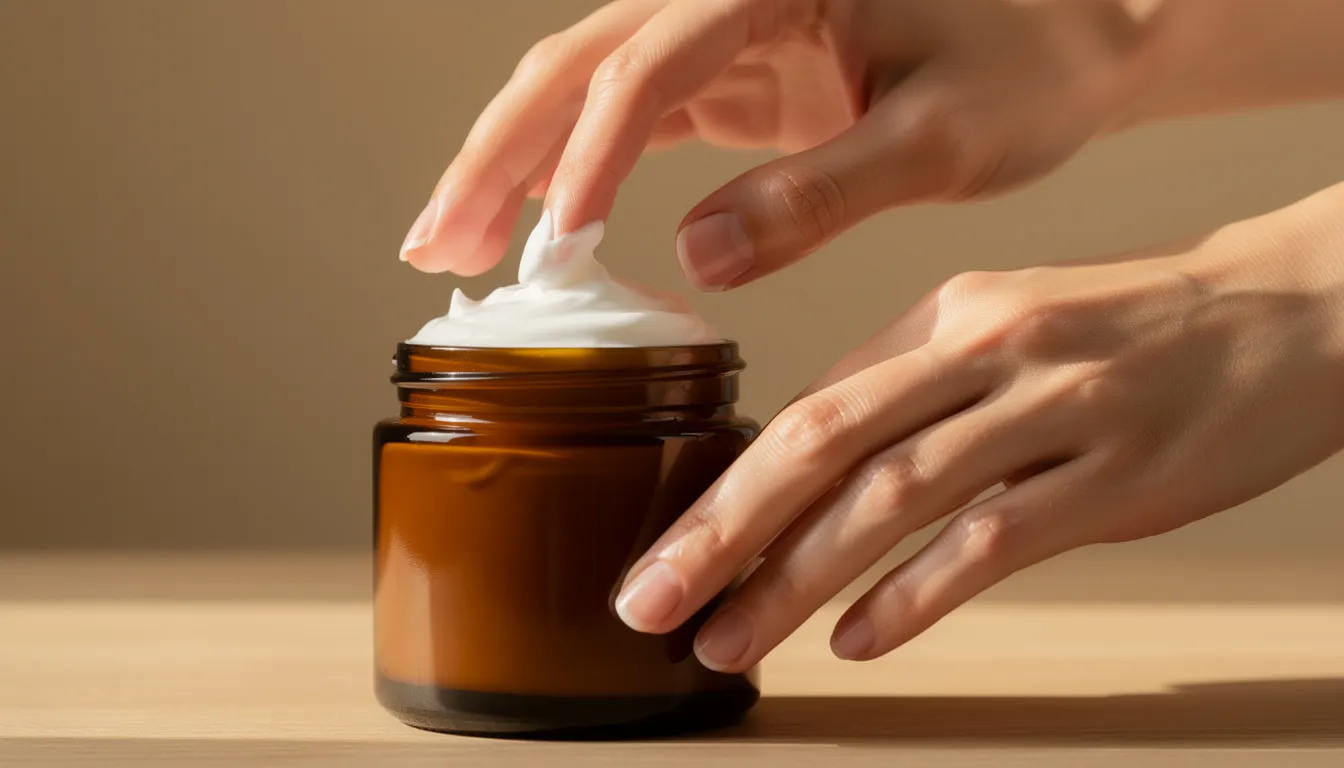
For best absorption, apply small amounts to slightly damp skin. The moisture helps nutrients penetrate rather than sitting on the surface. A little goes remarkably far.
Incorporate this lotion into your morning and evening skincare routine. Use it on face, hands, body—anywhere craving deep moisture and nutrients to help you discover your natural glow with tallow skincare. Many find it particularly effective after bathing when skin is most receptive.
Always patch test new recipes on a small area before full application, especially if you’re new to tallow or have reactive skin. What works beautifully for most people may need adjustment for your unique needs.
Troubleshooting Common Issues
Grainy Texture: This almost always indicates overheating during preparation. The solution requires remelting everything slowly and cooling more gradually before whipping. Patience prevents this issue entirely.
Too Soft Consistency: Your lotion needs more structure. Remelt and add additional beeswax, starting with half a teaspoon at a time until you reach desired firmness.
Separation During Storage: Temperature fluctuations cause oils to separate from the tallow base. Store in consistent temperatures and consider rewhipping if separation occurs.
Persistent Tallow Smell: Quality rendering eliminates most scent, but if yours remains strong, increase your essential oils slightly or seek better-rendered tallow. Some find that proper grass-fed tallow from a trusted regenerative farmer carries minimal odor compared to commercial alternatives.
Rancidity: Prevent this through proper storage, quality sourcing, and adequate vitamin E. If your lotion develops an off smell before its expected lifespan, the tallow may not have been properly rendered or stored before you received it.
This simple recipe connects you to generations of wisdom about what healthy skin truly needs. Not complicated ingredient lists. Not skin care products created in laboratories. Just clean, nourishing fat from animals raised well on good land—the same approach that served our ancestors beautifully.
Your skin recognizes real food, whether you’re eating it or putting it directly on your body. This lotion delivers nutrients in a form your skin understands, supporting the moisture and health that synthetic creams only promise, just like the remedies shared in our recent posts on natural tallow skincare.
