Introduction
Nipple chafing is a common and painful problem for runners and athletes. This guide explains what nipple chafing is, why it happens, how to recognize the symptoms, and the best strategies for prevention and treatment. Whether you're a new runner or a seasoned marathoner, understanding how to protect yourself from this condition can keep you comfortable and injury-free on your runs.
Running this weekend? A pea-sized dab of Unscented Tallow Balm before you lace up is the simplest fix here - it stays put for miles and will not sting skin that is already rubbed raw.
Understanding Nipple Chafing
Nipple chafing, also known as jogger's nipple, is caused by friction generated as clothing rubs against the nipples during running. It is caused by irritation of one or both nipples due to pressure or friction, usually from clothing. This condition, often called runner’s nipple or jogger’s nipple, occurs when your clothing rubs against your nipples during physical activity, wearing away the protective skin barrier with each movement.
The mechanism is straightforward but relentless. As you run, your shirt shifts slightly with every stride. One run might not cause problems, but mile after mile, those micro-abrasions compound. The friction eventually creates cracks, rawness, and in severe cases, bleeding that can stain your shirt before you even realize the damage has occurred.
Long distance runners bear the brunt of this condition. Research shows that almost 36% of runners logging more than 40 miles per week experience nipple chafing. The condition of nipple chafing is more common among male long-distance runners than female runners due to the protective padding in sports bras. This isn’t a sign of weakness or poor technique—it’s simply physics meeting vulnerable tissue. The nipples lack the thick protective layers found elsewhere on your body, making them particularly susceptible to damage from even moderate rubbing against your chest.

Recognizing the Signs and Symptoms
The earliest signs of an irritated nipple are easy to miss mid-run. You might notice a slight burning sensation or feel your shirt rubbing more than usual. This early discomfort is your warning—ignore it, and the situation progresses.
Skin irritation develops in stages. What begins as mild redness evolves into dry, cracked nipples that feel tender when touched. The area may sting or burn, particularly when sweat runs across damaged skin. Some runners describe it as feeling raw, like the skin has been worn thin.
In more advanced stages, bleeding occurs. Many runners have finished long runs to discover blood streaking their shirts—a jarring sight that often prompts immediate action. You might also notice:
Itchiness around the nipple area
Dry and flaky skin
Visible redness or bumps
Stinging that intensifies in the shower
When chafing turns into painful open skin wounds or blisters, you’ve moved beyond simple friction damage into territory that requires proper wound care. At this point, the risk of infection rises, and your body needs time to heal before further irritation compounds the problem.
Risk Factors That Increase Chafing
Understanding what makes chafing worse helps you prepare for conditions before they become painful problems.
Weather plays a significant role. In cold conditions, your nipples naturally become erect, increasing their prominence and contact with clothing. This is why many runners experience their worst chafing during winter months. Summer brings different challenges—extra sweating makes skin more susceptible to friction damage, and moisture from sweat creates an environment where bacteria can pool, potentially worsening your symptoms.
Fabric choice matters enormously. Cotton shirts are among the worst offenders because they hold moisture against your skin and create greater friction when wet. The material becomes heavy and abrasive, turning a manageable run into an exercise in endurance against your own clothing. Moisture-wicking fabrics like polyester or nylon should replace cotton to reduce the risk of nipple chafing.
Fit presents a paradox—clothes that are too tight or too loose can both cause irritation. Loose shirts move more with each stride, increasing rubbing. Overly tight gear can create constant pressure against sensitive areas. Finding the right balance requires attention to how your body moves in different garments.
There’s a notable gender difference in who gets affected. Male long distance runners wearing cotton shirts in cool weather are most commonly affected. Female runners experience this condition less frequently because soft padding in sports bras provides natural protection over the nipple area. This doesn’t mean women are immune—particularly with ill-fitting sports bras or during especially long runs—but the built-in coverage offers an advantage.
Individual factors also contribute. Some runners have naturally more sensitive skin. Others simply log more miles, accumulating greater friction exposure. Even body hair patterns can affect how fabric moves across the chest.
Prevention Strategies for Runners
Here’s a truth every experienced runner learns: preventing chafing is far easier than treating it. Once damage occurs, you’re managing healing time and modified training. Prevention keeps you running without interruption.
Three approaches work best, often in combination: choosing the right gear, using protective barriers, and applying anti-chafing lubricants. Most runners eventually settle on a system that works for their body, their mileage, and their conditions.
Choosing the Right Running Gear
Ditch the cotton. This single change prevents more chafing than almost any other intervention. Moisture-wicking synthetic fabrics pull sweat away from your skin, reducing friction and keeping the area drier. Look for running-specific shirts designed for the repetitive motion of your sport. Wearing dry and well-fitting clothing made of soft semi-synthetic or silk-type fabric can prevent chafing by reducing friction.
Proper fit means snug without constriction. Your shirt should move with your body, not slide independently across your chest. Compression shirts work well for many runners because they minimize fabric movement entirely—the material stays where you put it.
For women, a well-fitted sports bra with soft padding serves as natural protection. Make sure the fit is correct; a loose bra allows movement that defeats its protective purpose. Replace sports bras when the elastic loosens and they no longer hold their position.
Some male runners choose to run shirtless in warm conditions. This eliminates fabric-based friction entirely but introduces other considerations—sun exposure, wind chafing, and personal comfort among them. If going shirtless works for you and conditions allow, it’s a valid approach.
Always wear clean, dry clothes. Damp or already-worn shirts introduce bacteria to your skin, potentially leading to additional chafing and infection risk. Sweat-soaked shirts can increase friction and the risk of nipple chafing.
Adequate hydration keeps skin healthy and reduces salt crystal buildup from sweat, minimizing abrasiveness.
Protective Barriers and Coverings
When fabric choices aren’t enough, physical barriers between your nipples and clothing provide direct protection. This approach is particularly valuable for marathon distances or when you know conditions will be challenging.
Waterproof adhesive bandages, athletic tape, and specialized products like NipGuards or NipEAZE use medical-grade adhesive and are designed specifically for athletes to prevent chafing. Apply them directly over each nipple before your run, pressing firmly to ensure adhesion. The smooth outer surface reduces friction while protecting the sensitive tissue underneath. Reusable silicone nipple covers provide a waterproof shield against chafing.
Athletic tape works similarly but often holds up better during extended, sweaty efforts. Cut pieces slightly larger than your nipple and round the corners to prevent peeling at the edges. Apply to clean, dry skin for best results:
Clean the area and dry thoroughly
Cut tape to appropriate size
Remove backing and center over nipple
Press edges firmly, especially around the perimeter
Smooth any wrinkles that might cause additional irritation
Using bandages or athletic tape over your nipples adds an extra barrier of protection against chafing.
One caution: if you have any existing wound or broken skin, some adhesive products can cause further irritation. In those cases, healing first or using non-adhesive approaches may be wiser.
Anti-Chafing Lubricants and Balms
Lubrication reduces friction by creating a slippery barrier between skin and fabric. This approach is particularly effective when combined with proper clothing choices.
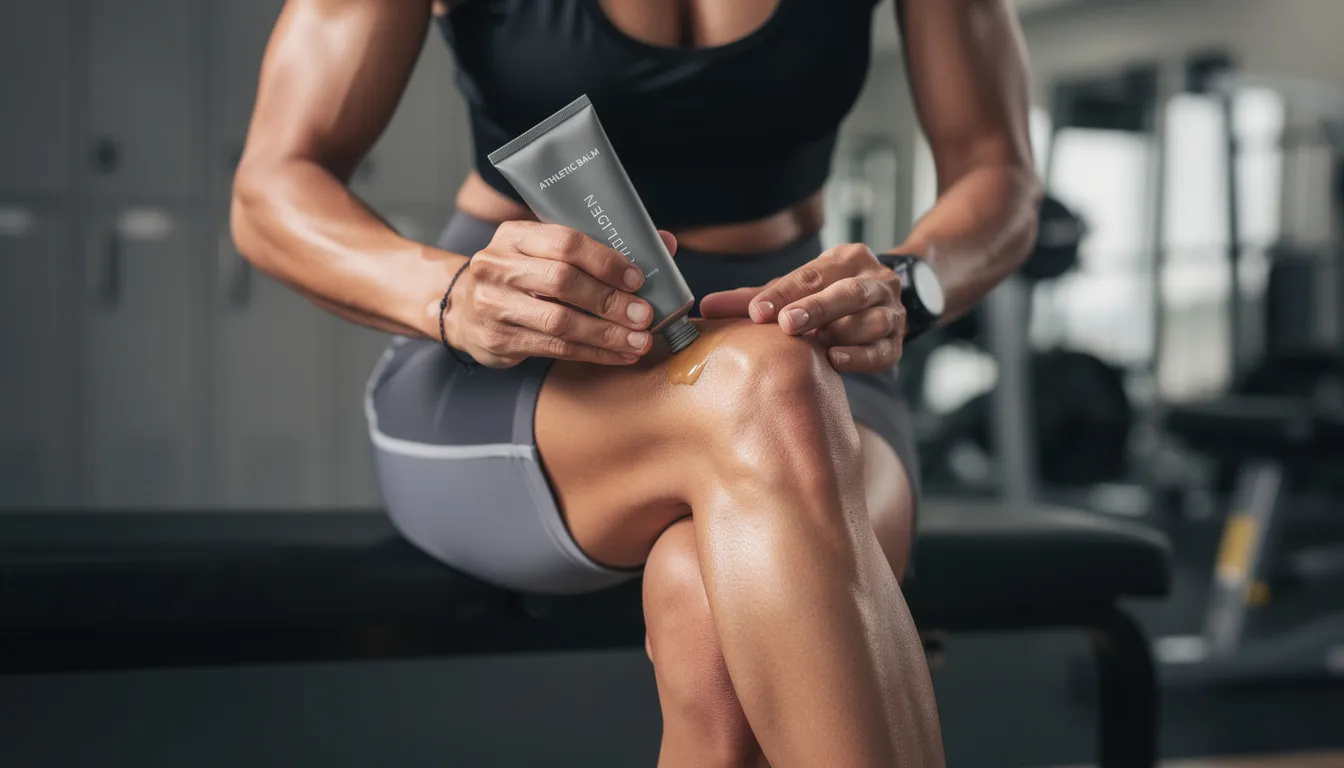
Applying lubricating ointment or petroleum jelly can help keep clothing from rubbing against the skin. Petroleum jelly remains a classic option. It’s inexpensive, widely available, and effective at reducing friction. Apply a generous layer to each nipple before running, creating a visible coating that will protect throughout your run. Applying a lubricating layer of petroleum jelly to your nipples before a run can help keep clothing from rubbing them raw.
Specialized anti-chafing balms designed for athletes, such as Body Glide balms, create an invisible, hypoallergenic barrier that helps prevent rash, chafing, blisters, and raw skin caused by rubbing and friction. Many runners prefer these stick-format products for easier application. Anti-chafing products, such as creams and roll-on applications, serve as a thin barrier between your nipples and your clothes.
Application timing matters. Apply lubricants to clean, dry skin about 10-15 minutes before your run. This gives the product time to warm to body temperature and settle into place. For runs exceeding two hours, consider carrying a small amount for reapplication—particularly if conditions are wet or especially humid.
Drying agents like talcum powder work for some runners by absorbing moisture rather than creating lubrication. This approach addresses sweat accumulation but may be less effective for the direct friction component.
Treating Chafed Nipples
When prevention fails, proper treatment speeds healing and prevents complications.
Start by cleaning the chafed area gently with mild soap and warm water. Don’t scrub—the skin is already damaged, and aggressive cleaning causes additional trauma. Pat dry with a clean towel, avoiding rubbing. Cleaning the area thoroughly with mild soap and warm water can help prevent infection after developing runner's nipple.
For mild to moderate chafing, apply a moisturizing ointment or specialized nipple cream such as lanolin. Petroleum jelly also works well at this stage, creating a protective barrier while the skin heals. Applying lubricating ointments like petroleum jelly can help relieve chafing. Steroid ointments like hydrocortisone can reduce inflammation if redness and irritation are significant.
If the area is weeping or you’re concerned about infection, apply antibiotic ointment such as erythromycin after cleaning. Cover with a non-stick gauze bandage to protect the wound and prevent clothing from adhering to damaged skin. If chafing occurs, the area should be cleaned gently with soap and warm water and treated with soothing ointments like aloe vera or antibiotic cream.
Colloidal oatmeal products may reduce dryness and inflammation, offering soothing relief during the healing process.
Most cases of jogger's nipple should feel better within a few days, but more severe cases may take a few weeks to fully heal. During this time, avoid activities that will create further friction. Your body is rebuilding damaged tissue—give it the time it needs.
When to Seek Medical Care
Most nipple chafing heals with basic home care. However, certain signs indicate you need professional treatment.
Seek medical attention if you notice:
Increasing redness that spreads beyond the immediate nipple area
Pus or unusual discharge from the wound
Fever or warmth radiating from the affected area
Pain that worsens rather than improves over several days
Signs of infection that don’t respond to antibiotic ointment
Persistent or recurring chafing despite consistent prevention efforts may indicate an underlying sensitivity requiring professional evaluation. In rare cases, nipple changes can signal conditions beyond simple friction damage. Breast cancer typically affects only one nipple and presents differently than exercise-related chafing. Paget’s disease of the breast involves flaking or scaly skin that doesn’t heal, yellowish or bloody discharge, or a suddenly inverted nipple.
These serious conditions are uncommon among athletes experiencing typical friction-based symptoms. However, any unusual presentation that doesn’t match the expected pattern of chafing warrants a conversation with your healthcare provider.
Returning to Running After Chafing
The question every runner asks: when can I run again?
Wait until the surface skin has closed and the area is no longer tender to touch. Returning too early with open or raw skin virtually guarantees you’ll reopen the wound and extend your recovery time.
When you do resume running, take a modified approach:
Start with a shorter distance than your usual training
Use maximum protection—barriers plus lubrication
Choose your most comfortable, best-fitting gear
Monitor throughout the run and stop if irritation begins
For the first several runs back, consider applying a light gauze or bandage over the healing area even with other protection in place. This provides redundant coverage while the new skin strengthens.
Long-term prevention becomes about routine. Develop habits that protect you before every run:
Check weather conditions and adjust your approach accordingly
Apply lubricant or protective coverings as part of your pre-run ritual
Keep moisture-wicking shirts in rotation for every training session
Replace worn gear that no longer fits properly
Runners who log serious mileage often maintain a small kit with athletic tape, lubricant, and backup band aids. Preparation becomes automatic—as routine as tying your shoes.
You’ll develop awareness of when conditions are particularly risky and when you can train with lighter protection. This knowledge comes from experience, from paying attention to your body, and from taking the condition seriously rather than running through pain that signals real damage.
Nipple chafing is common, treatable, and largely preventable. Now that you understand the mechanics, the risks, and the solutions, you can keep running without this particular form of discomfort slowing you down.
What to Put On It: Tallow, Not Petroleum
Most anti-chafe sticks are petroleum or silicone. beef tallow does the same barrier job with fats your skin already recognizes, and it keeps nourishing the area while it repairs.
- Unscented Tallow Balm with Vitamin E and Jojoba - thick, long-wearing protection for long runs and skin that is already raw.
- Unscented Whipped Tallow Moisturizer - lighter and faster to apply before a run, and it absorbs without clogging.
- Coffee-Infused Tallow Eye Cream - for post-race puffiness and the thin skin around the eyes.