
Traditional Tallow Face Cream Recipe: Ancient Wisdom for Modern Skin
Creating your own tallow face cream recipe at home requires just five ingredients, thirty minutes, and a willingness to trust what generations of women already knew—that the simplest approach often delivers the most profound results for your skin. This guide will walk you through sourcing quality tallow, crafting your own whipped face cream, and mastering its use for healthy, nourished skin—perfect for anyone seeking a natural, time-tested alternative to commercial moisturizers. Whether you’re new to traditional skincare or searching for a more effective, ancestral, and nourishing moisturizer, you’ll find step-by-step instructions, sourcing tips, application guidance, and troubleshooting advice to help you succeed.
Why This Recipe Changed Everything for My Skin
I spent years chasing the perfect moisturizer through department store counters and online subscriptions, my bathroom shelves cluttered with promises that never quite delivered. My skin remained perpetually tight, those dry patches along my cheekbones refusing to surrender to even the richest commercial creams.
Then I discovered beef tallow.
It started with a conversation at our local farmer’s market, a woman with the most luminous complexion I’d ever seen mentioning she made her own face cream from grass fed beef tallow. I was skeptical—the idea of applying rendered fat to my face seemed almost absurd after years of being told animal ingredients were outdated.
But desperation has a way of making us brave.
The transformation wasn’t immediate, but it was undeniable. Within two weeks, those stubborn dry patches softened. By the end of the first month, my skin had developed a natural dewiness I’d only achieved before with layers of serums and primers. This simple whipped tallow face cream outperformed products costing ten times as much.
Returning to traditional ingredients felt like finding my way back to something my body recognized. Not a trend, not a marketing angle—just honest nourishment that my skin understood how to receive.
The Sacred Art of Tallow Face Cream
Long before the beauty industry existed, women across cultures turned to animal fats for their skincare rituals. From European apothecaries to indigenous healing traditions, tallow balm served as the foundation of feminine beauty care. These weren’t women without options—they were women who understood their bodies and the land that sustained them, mirroring the ethos behind handmade, high-quality tallow-based skincare.
Our grandmothers didn’t have ingredient lists they couldn’t pronounce. They had rendered fat, herbs from their gardens, and wisdom passed down through generations. That wisdom still holds true today, perhaps more than ever.
There’s something sacred about making your own skincare—a spiritual practice that connects you to every woman who has ever stood at her kitchen table, creating nourishment for her own body. This isn’t about rejecting modern knowledge; it’s about reclaiming ancestral wisdom that the industry taught us to forget.
Whipped cream for your skin made with your own hands becomes an act of intentional self-care. Slow beauty in a world that demands we rush through everything, including caring for ourselves, and it sits beautifully alongside exploring recent tallow skincare inspirations and posts.

Understanding Tallow: Your Skin’s Perfect Match
Whipped tallow face cream is made from grass-fed beef tallow, which is a traditional ingredient used for generations in skincare. The reason grass fed tallow works so remarkably well comes down to biology. Beef tallow contains a fatty acid profile that mirrors the composition of human sebum—the oil your skin naturally produces. This biocompatibility means tallow absorbs efficiently rather than sitting on your skin’s surface or clogging your pores, which is why it has become a favorite in beginner-friendly beef tallow skin care.
Grass fed beef tallow is naturally rich in fat-soluble vitamins that your skin craves. Vitamin A promotes cellular turnover, encouraging fresh skin to emerge. Vitamin D supports healing and barrier function. Vitamin E protects against environmental damage while vitamin K addresses discoloration. These vitamins arrive in forms your body recognizes and can use immediately, making it an ideal base for nutrient-dense beef tallow face care.
Unlike many rich moisturizers that leave you feeling greasy, clean tallow absorbs into your skin’s deeper layers. The oleic acid and palmitic acid penetrate rather than coat, delivering moisture where your skin actually needs it. Many women with sensitive skin or conditions like eczema find tallow provides nourishing relief without irritation.
The difference between conventional and grass fed tallow matters significantly. Grass-fed animals produce fat with superior nutrient density and a healthier fatty acid balance, including conjugated linoleic acid that helps calm inflammation. For facial use, always choose grass fed sources, whether you’re rendering your own or purchasing bulk beef tallow for skin.
Sourcing Your Tallow: Quality Matters
Finding quality tallow requires a bit of intention, but the effort rewards you with a superior product. Local farmers raising grass-fed cattle often sell suet—the raw fat surrounding the kidneys—directly or can point you toward someone who does. Farmers’ markets serve as excellent starting points.
When speaking with your farmer or butcher, ask specific questions: Are the animals grass fed and finished? Are they raised without routine antibiotics or hormones? Can you purchase leaf fat or suet specifically? These conversations matter—the quality of your tallow directly impacts the skin benefits you’ll receive.
High-quality suet appears firm, white to cream-colored, with a clean, mild scent. Avoid any fat with discoloration, off odors, or signs of oxidation. Fresh suet stored properly remains your best foundation.
You can render your own tallow through a gentle rendering process—chopping the suet, heating it at low heat until the fat separates from connective tissue, then straining away impurities. This method gives you complete control over quality. Alternatively, several reputable small producers now offer beautifully rendered, skincare-grade grass fed tallow ready for use, along with thoughtfully formulated all-natural beef tallow skincare products.
Sacred Ingredients: Building Your Face Cream
The primary base for tallow face cream is 1 cup rendered grass-fed beef tallow and 1/4 cup carrier oil. Each ingredient in this recipe serves a specific purpose, working together to create a cream that truly supports skin repair and long-term health, much like a well-crafted traditional tallow balm for modern skin.
Grass Fed Beef Tallow (1 cup): Your base ingredient, providing the rich fatty acid profile and vitamins that make this cream so effective. It forms the structural foundation while delivering deep nourishment and reflects many of the principles in a deeper guide to tallow skin care.
Jojoba Oil (1/4 cup): This liquid wax closely resembles human sebum, helping your cream spread smoothly while enhancing absorption. Jojoba balances both dry skin and oilier complexions beautifully and pairs especially well with tallow formulas for dry, damaged skin.
Rosehip Seed Oil (1 tablespoon): A gentle source of vitamin C and essential fatty acids, rosehip oil brightens while helping to support skin repair at the cellular level.
Vitamin E Oil (10 drops): Beyond its healing properties for your skin, vitamin E extends your cream’s shelf life naturally. It prevents oxidation, keeping your creation fresh without synthetic preservatives.
Essential Oils (15 drops total, optional): Choose oils that serve your skin’s needs. Lavender calms and soothes sensitive skin. Frankincense promotes elasticity and addresses signs of aging. Geranium balances oil production. These additions remain entirely optional—the cream works beautifully without them.
For those with very sensitive skin or conditions that react to essential oils, simply omit them. The tallow and carrier oils provide remarkable skin benefits on their own.
The Traditional Tallow Face Cream Recipe
Complete Ingredients List:
1 cup rendered grass fed tallow (approximately 225g), at room temperature
1/4 cup jojoba oil
1 tablespoon rosehip seed oil
10 drops vitamin E oil
15 drops essential oils of choice (optional)
Equipment Needed:
Stand mixer or hand mixer
Large mixing bowl
Rubber spatula
Glass jars for storage (4-ounce jars work well)
Measuring cups and spoons
Preparing Your Space:
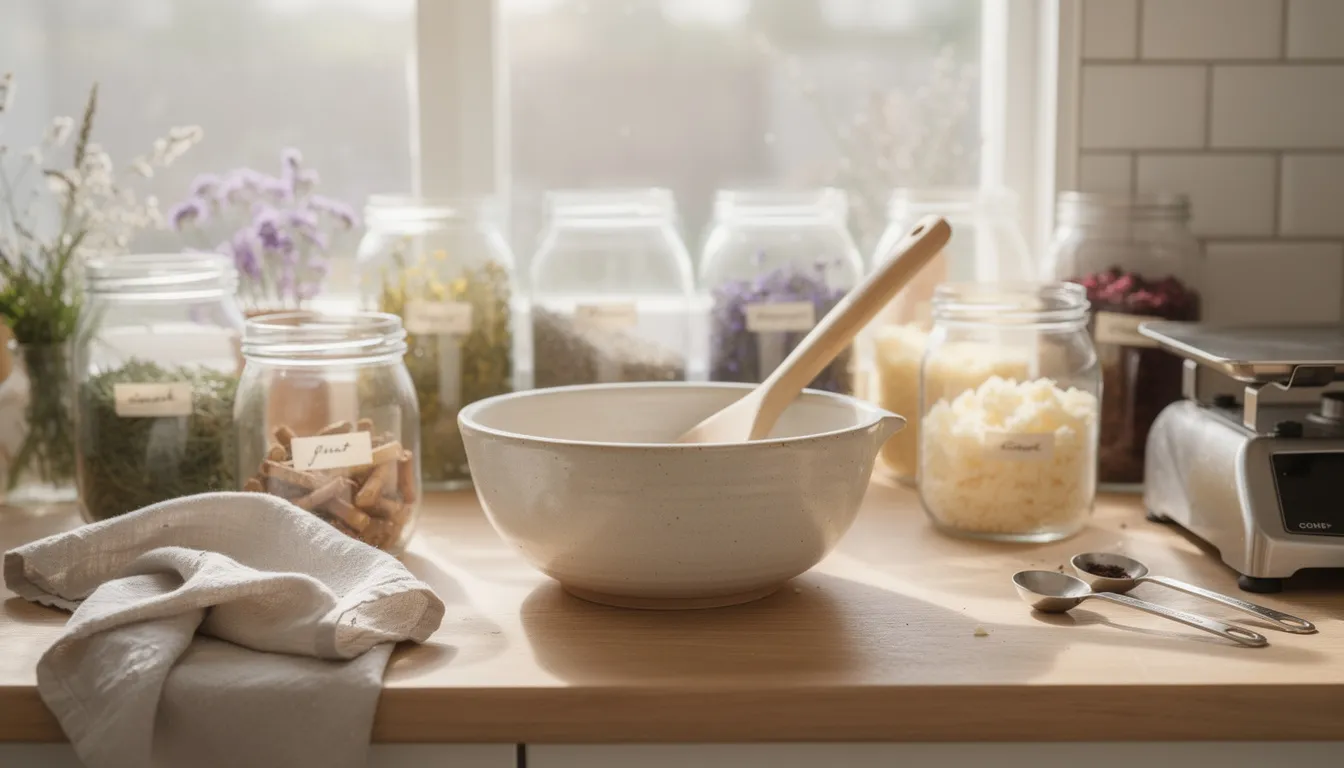
Before you begin, gather everything you need and create a workspace that feels calm and intentional. Clean your equipment thoroughly—any water or food residue can introduce bacteria that shortens shelf life. Have your glass jars washed, dried, and ready.
Making your own skincare is a meditation of sorts. Put on music that settles your spirit. Light a candle if that helps you feel present. This process takes about thirty minutes; give yourself that time without rushing.
Small batches ensure freshness and potency. This recipe yields approximately 10 ounces—enough to last one to two months with daily use while remaining beautifully fresh, similar in feel to many bestselling tallow-based moisturizers and body butters.
Step-by-Step Instructions
Step 1: Prepare Your Tallow
Your tallow should be at room temperature—soft enough to mix easily but not melted. If refrigerated, remove it an hour before starting. The fat should yield slightly to gentle pressure from your fingers.
If your tallow is very solid, you can soften it using a double boiler at low heat. Place your bowl over barely simmering water, stirring gently until it reaches a soft, workable consistency. Remove from heat and allow it to cool slightly before proceeding—you want it soft but not liquid.
Step 2: Initial Whipping
Place your softened tallow in your mixing bowl. Using a hand mixer or stand mixer, begin whipping at medium speed. Watch as the solid fat transforms, becoming lighter in color and increasing in volume.
Continue for five to seven minutes until your tallow appears fluffy and resembles the texture of buttercream frosting. This aeration creates the light, spreadable quality that makes whipped tallow face cream so pleasant to apply.
Step 3: Add Your Oils
With your mixer on low speed, slowly drizzle in the jojoba oil. Allow it to incorporate fully—about thirty seconds of mixing. The cream may look slightly glossy as the oil blends in.
Add the rosehip seed oil next, mixing another thirty seconds. Then add your vitamin E oil drops, mixing briefly to distribute evenly.
Step 4: Add Essential Oils (Optional)
If using essential oils, add them now with the mixer on low. Mix just until incorporated—about fifteen seconds. Over-mixing at this stage can cause your essential oils to disperse unevenly.
Step 5: Final Whipping
Increase your mixer speed to medium-high and whip for an additional three to five minutes. The texture should become increasingly smooth and creamy, almost like whipped cream but with more body.
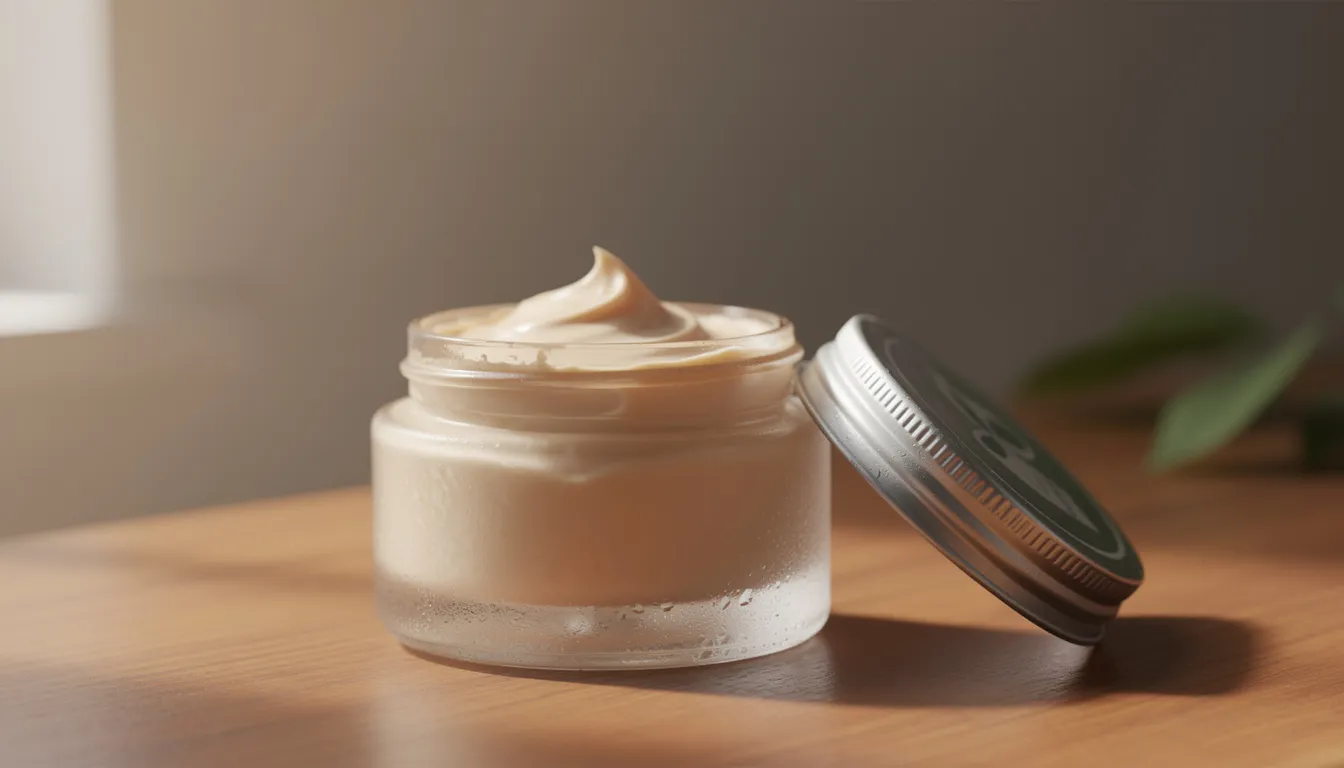
You’ll know you’ve reached perfect consistency when the cream holds soft peaks, appears uniformly blended, and feels rich yet light between your fingers. It should spread easily without being greasy.
Step 6: Transfer to Jars
Using your rubber spatula, transfer the finished cream into your prepared glass jars. Tap gently on the counter to release air bubbles and settle the cream. Fill to just below the rim, leaving a small space.
Allow jars to sit uncovered for fifteen minutes before sealing—this prevents any residual warmth from creating condensation inside the lid.
Mastering the Application: How to Use Your Tallow Face Cream
A little goes a remarkably long way with this rich cream. Start with an amount roughly the size of a pea for your entire face. Warm it between your fingers—the heat transforms it from a soft solid to a silky, spreadable oil.
Press gently onto your skin rather than rubbing vigorously. Start at your forehead, work down your cheeks, across your nose, and finish with your chin and neck. Allow a moment for absorption before adding anything else.
For dry skin or mature complexions, you may find a slightly larger amount beneficial. Those with combination skin often prefer focusing the cream on drier areas while using a lighter touch through the T-zone.
Morning Application: Use a smaller amount in the morning to avoid interfering with any makeup application. The cream absorbs fully within five to ten minutes, creating a beautiful base that actually helps your makeup sit more smoothly.
Evening Application: Nighttime invites a more generous application. Your skin repairs itself during sleep, and providing ample moisture supports this natural healing process. Apply after cleansing, letting the cream work overnight.
If you use other skincare products, apply your tallow face cream as the final step—it’s an occlusive that seals in whatever comes before while providing its own nourishing benefits.
Storage and Care: Preserving Your Creation
Store your finished cream in a cool, dark location—a bathroom cabinet away from shower steam works well. Avoid keeping it on a windowsill where heat and light can cause degradation.
Shelf Life and Signs of Spoilage
When stored properly, your cream maintains potency for three to six months. The vitamin E helps prevent rancidity, but eventually, all natural products reach the end of their shelf life.
Signs your cream needs replacing include any changes in smell—fresh tallow cream should have virtually no scent or a faint, clean smell. Yellow discoloration, separation, or off-odors indicate it’s time to make a fresh batch.
Seasonal Storage Tips
Seasonal Considerations: In warm climates or summer months, you may choose to store your cream in the refrigerator. It will solidify more firmly but warms quickly between your fingers. In winter, keeping it at room temperature works perfectly.
Travel Tips
Travel Tips: Transfer a small amount into a travel-sized jar rather than bringing your entire supply. The cream’s solid nature means it won’t leak, making it super easy to transport.
Troubleshooting Your Tallow Face Cream
Texture Too Grainy: This happens when tallow cools too quickly during the making process, forming small crystals. Gently re-soften using a double boiler at low heat, then rewhip. Allowing proper cooling time before the final whip prevents this issue.
Cream Too Thick: Add an additional tablespoon of jojoba oil and whip again. In very cool climates, you may want to increase your liquid oil proportion slightly from the start.
Cream Too Thin: If your cream never achieved a fluffy texture, your tallow may have been too warm when you began whipping. Refrigerate for thirty minutes, then try whipping again. Adding a touch more solid tallow can also help.
Essential Oils Too Strong: Unfortunately, you can’t remove essential oils once added. For your next batch, reduce the amount or try different oils. In the meantime, blend this batch with a fresh, unscented batch to dilute.
Adapting for Your Climate: If you live somewhere humid and warm, reduce the coconut oil or olive oil some recipes suggest and stick with jojoba, which remains stable across temperatures. In dry, cold climates, you might add a bit of avocado oil for extra richness.
Embracing the Ritual: More Than Just Skincare
Beyond the practical skin benefits—the soft texture, the elimination of dry patches, the gentle healing of irritation—making your own tallow face cream offers something less tangible but equally valuable.
Each time you apply this cream, you participate in a ritual that connects you to generations of women before you. Women who understood that caring for ourselves isn’t vanity—it’s necessity. Women who created nourishment from what the land provided rather than waiting for someone to sell it to them.
The process of making your own cream becomes its own form of meditation. Measuring, mixing, watching the transformation happen under your hands. In a world full of toxins and synthetic everything, choosing to create something pure for your own body is an act of quiet rebellion.
This game changer in your skincare routine represents more than switching products. It represents choosing differently. Trusting the simple over the complicated. Honoring traditional knowledge in a world that constantly pushes us toward the new.
Your skin knows the difference. And now, so do you.
When you stand at your kitchen counter, hand mixer whirring, watching solid fat transform into a light, fluffy cream meant to nourish your body—you’re not just making skincare. You’re reclaiming something that was always yours to begin with.
The old ways aren’t old because they stopped working. They’re old because they worked so well, they were passed down for generations. This recipe is simply your invitation to receive what was always meant for you.