


Your skin knows the difference between what nourishes and what merely coats. Natural skincare products work with your body’s own wisdom, delivering nutrients and hydration through formulas that respect the delicate balance your complexion maintains daily. This guide walks you through everything you need to understand about choosing, using, and thriving with pure beauty care.
What Makes Skin Care Products Truly Natural
The word “natural” appears on countless jars and bottles, yet the meaning varies dramatically between brands. Truly natural skincare products contain ingredients derived directly from plants, minerals, and other earth-sourced materials with minimal processing. Organic ingredients take this further—they’re grown without synthetic pesticides or fertilizers, and products labeled USDA Organic must contain at least 95% certified organic components.
Clean beauty occupies different territory. This term typically indicates formulas free from specific controversial ingredients, though the product itself may contain synthetic compounds. MADE SAFE certification offers another benchmark, screening products against known harmful substances including carcinogens, endocrine disruptors, and environmental toxins.
Ingredient sourcing matters as much as the ingredients themselves. Wildcrafted herbs gathered from their native environments often contain more potent concentrations of beneficial compounds than commercially farmed alternatives. Cold-pressed oils retain more nutrients than those extracted using heat or chemical solvents. The processing method determines whether a natural ingredient arrives in your moisturizer with its beneficial properties intact.
Most formulations claiming “natural” status contain between 70% and 95% naturally-derived ingredients. The remaining percentage often includes necessary stabilizers, preservatives, or emulsifiers. Reading ingredient lists—where components appear in descending order of concentration—reveals the true composition behind marketing claims.
Core Benefits of Choosing Natural Skin Care
Natural skincare formulas honor your skin barrier rather than stripping it. Synthetic ingredients often work by overriding your skin’s natural processes, while plant-based alternatives support and strengthen existing functions. This gentle approach proves particularly valuable for sensitive skin that reacts to harsh chemical compounds.
The nutrient profiles in botanical ingredients deliver comprehensive nourishment. A single facial oil might contain vitamins, antioxidants, essential fatty acids, and bioactive compounds working synergistically. Your skin absorbs these nutrients more readily because their molecular structures often mirror compounds your body naturally produces.
Environmental benefits extend beyond your bathroom. Natural skincare products typically biodegrade without leaving toxic residues in waterways. Brands committed to pure formulations frequently prioritize recyclable packaging and sustainable sourcing practices, reducing ecological impact from ingredient harvest through checkout.
Long-term skin health flourishes under natural care. Rather than creating dependency on aggressive active ingredients, botanical formulas help your complexion find its own healthy balance. Users often notice improved skin texture, reduced redness, and enhanced radiance after transitioning from synthetic products.
The reduced chemical load means fewer opportunities for irritation and allergic reactions. While individual responses vary, many people with delicate skin find relief when they eliminate synthetic fragrances, parabens, and petrochemicals from their skincare regimen.
Essential Natural Ingredients to Seek Out
Botanical Oils
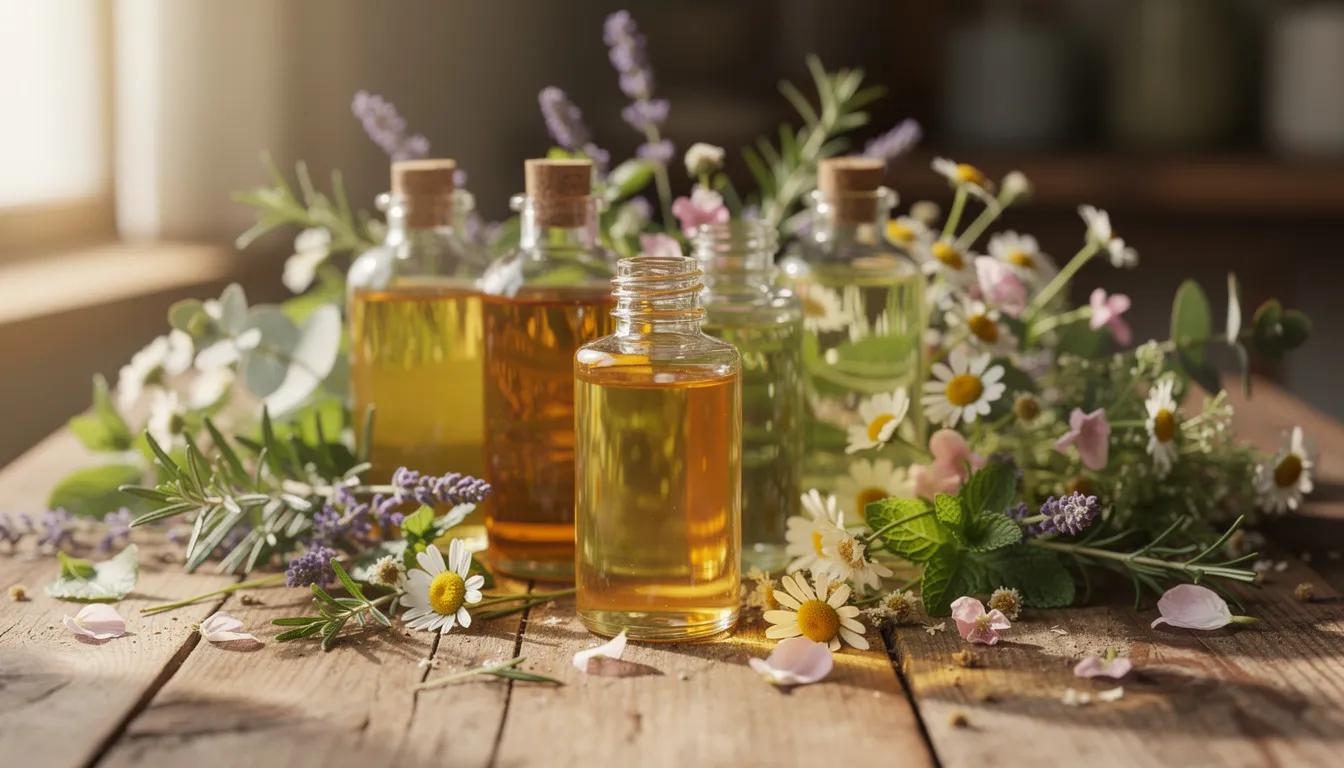
Jojoba oil shares remarkable molecular similarity to the sebum your skin naturally produces, enabling deep penetration without clogging pores. This makes it suitable across every skin type, from oily to dry. Rosehip oil delivers essential fatty acids and vitamins that support skin rejuvenation, addressing fine lines and uneven skin texture over time. Argan oil, rich in vitamin E, provides revitalizing and anti-aging benefits while leaving skin feeling soft rather than greasy.
Plant Extracts
Aloe vera soothes and moisturizes simultaneously, making it invaluable for sensitive skin or sun-exposed complexions. Chamomile extract calms irritation and diminishes redness through its natural antioxidant properties. Green tea extract combats oxidative stress—the cellular damage responsible for premature aging—while protecting against environmental aggressors.
Natural Acids
Fruit enzymes from papaya and pineapple provide gentle exfoliation, dissolving dead skin cells without the abrasion of physical scrubs. Willow bark, a natural source of salicylic acid, clears pores and refines skin texture. These alternatives work more slowly than synthetic acids but cause less irritation and sensitivity.
Antioxidant Powerhouses
Kakadu plum contains the highest natural concentration of vitamin C, brightening dark spots and supporting collagen production. Sea buckthorn oil delivers a spectrum of antioxidants that protect against free radical damage. Coffee berry extract demonstrates significant anti-aging properties in clinical research.
Hydrating Humectants
Plant-derived hyaluronic acid draws moisture from the environment into your skin, providing intense hydration. Vegetable glycerin serves similar functions at accessible price points. Honey acts as both humectant and antioxidant, capable of reviving dull complexions with fresh radiance.
Harmful Ingredients to Avoid in Natural Products
Synthetic preservatives like parabens and formaldehyde-releasing compounds extend shelf life but raise health concerns. These chemicals can disrupt hormonal function and trigger sensitivities in delicate skin. Steer clear of ingredient lists featuring methylparaben, propylparaben, DMDM hydantoin, or quaternium-15.
Artificial fragrances hide behind the single word “fragrance” or “parfum” on labels—this umbrella term can conceal dozens of synthetic compounds. These formulas frequently cause redness, irritation, and allergic responses, particularly in sensitive skin. Natural products should rely on essential oils or botanical extracts for scent, though these too require caution.
Harsh sulfates like sodium lauryl sulfate strip your skin barrier of protective oils, leaving your complexion vulnerable and dry. Petrochemical-derived ingredients—mineral oil, petrolatum, silicones—create an occlusive barrier that prevents skin from breathing naturally.
Some “natural” products contain hidden synthetics. Marketing terminology lacks regulation, so products may claim natural status while containing primarily synthetic formulations. Always examine the full ingredient list rather than trusting front-label claims.
Even pure natural ingredients can trigger reactions. Essential oils like peppermint, cinnamon, and citrus varieties cause sensitivity in some individuals. Patch testing remains essential regardless of an ingredient’s natural origin.
Building Your Natural Skin Care Routine
Morning Essentials
Start with gentle cleansers matched to your skin type. Milk-based or cream cleansers suit dry and sensitive complexions, while gel formulas work well for oily skin. These products should remove impurities without leaving your skin feeling tight or stripped.
Plant-based serums deliver concentrated nutrients and hydration. Vitamin C serums brighten and protect, while hyaluronic acid formulas plump and hydrate. Apply these to slightly damp skin for enhanced absorption.
Natural moisturizers seal in your serum’s benefits while adding antioxidant protection. Look for formulas featuring shea butter for deep nourishment or lighter botanical oils for oily skin types. Your daily moisturizer forms the foundation of your skin’s defense against environmental stressors.
Mineral sunscreens containing zinc oxide or titanium dioxide physically block the sun’s harmful rays rather than absorbing them chemically. These formulas protect sensitive skin from both UV damage and the potential irritation synthetic sunscreen ingredients can cause.
Evening Rituals
Oil-based cleansers dissolve makeup and sunscreen effectively—oil attracts oil, lifting impurities gently. Follow with a water-based cleanser if you prefer double cleansing for a truly fresh complexion.
Natural exfoliation options include enzyme masks that work without physical abrasion or gentle scrubs using finely ground botanicals. Limit exfoliation to two or three times weekly to avoid disrupting your skin barrier.
Nourishing facial oils applied at night give skin hours to absorb beneficial compounds. Rosehip, argan, and jojoba oils penetrate deeply while you sleep. Eye creams formulated with plant peptides address fine lines and dark circles around this delicate area.
Weekly masks provide deeper nourishment. Clay masks draw out impurities and balance oily skin, while hydrating masks featuring aloe vera or honey restore moisture to dry complexions.
Natural Solutions for Specific Skin Concerns
Sensitive Skin
Calendula and oat extract calm reactive complexions with proven anti-inflammatory properties. These ingredients support rather than challenge your skin barrier. Colloidal oatmeal specifically has demonstrated clinical success in strengthening skin barriers and relieving dryness.
Fragrance-free formulations eliminate a primary source of irritation for delicate skin. Minimal ingredient lists reduce the chances of encountering triggers. Patch testing every new product—applying a small amount to your inner arm for 24-48 hours—prevents full-face reactions.
Gentle cleansing methods preserve your skin’s protective oils. Avoid hot water, which strips natural moisture, and pat rather than rub your face dry.
Acne-Prone Skin
Tea tree oil provides natural antibacterial action against acne-causing bacteria without the severe drying effects of synthetic alternatives. Neem oil offers similar benefits with additional anti-inflammatory properties.
Clay masks absorb excess sebum and draw out pore-clogging impurities. Regular use helps balance oil production over time. Natural toner formulations containing witch hazel refine pores without harsh astringents.
Non-comedogenic natural oils exist despite common assumptions. Jojoba, squalane, and hemp seed oils provide hydration without clogging pores. Properly moisturized skin actually produces less excess oil than dehydrated skin struggling to compensate.
Aging Concerns
Bakuchiol represents the standout natural retinol alternative, stimulating collagen production and reducing wrinkles without retinol’s notorious irritation. Rosehip oil’s vitamin A content provides milder retinoid benefits suitable for long-term use.
Natural peptides derived from plant proteins support your skin’s collagen structure. Rice bran extract, silk proteins, and certain mushroom extracts demonstrate anti-aging properties in clinical settings.
Antioxidant serums protect against environmental damage that accelerates aging. Green tea, vitamin C from natural sources, and resveratrol from grapes neutralize free radicals before they damage healthy skin cells.
Trusted Natural Skin Care Brands
Established organic beauty companies have spent decades perfecting natural formulations. Look for brands with transparent sourcing practices, third-party certifications, and longstanding commitment to pure ingredients rather than recent “clean beauty” pivots from conventional manufacturers.
Artisanal brands focusing on small-batch, fresh formulations often deliver exceptional potency. These products may have shorter shelf lives but contain higher concentrations of active botanical compounds. Many best selling natural products come from these dedicated craftspeople.
Certification standards indicate genuine commitment. USDA Organic, ECOCERT, COSMOS, and MADE SAFE certifications require rigorous ingredient verification. Cruelty free certifications from Leaping Bunny or PETA confirm ethical testing practices.
Price ranges vary dramatically. Drugstore natural options exist alongside luxury botanical lines. Quality doesn’t always correlate with price—examine ingredient lists and sourcing practices rather than assuming expensive means superior. Explore brands’ websites and look for detailed ingredient sourcing information.
How to Transition to Natural Skin Care
Gradual introduction prevents the “detox” reactions that discourage many new users. Replace one product at a time, allowing your skin two to three weeks to adjust before introducing another new formula.
Learning to read ingredient lists empowers informed decisions. Look for short lists featuring recognizable plant names near the top. Ingredients appearing at the end of long lists exist in negligible concentrations regardless of their benefits.
Patch testing protects against unwelcome surprises. Apply new products to a small area and wait 24-48 hours before full application. This precaution proves especially important for serums and treatments containing active botanical compounds.
The transition period may include temporary adjustments. Your skin might feel different initially as it adapts to new formulas and releases accumulated residues from synthetic products. Most users report their skin feels healthier and more balanced within four to six weeks.
Consulting dermatologists about natural alternatives makes sense for anyone managing specific skin conditions. Medical professionals can help identify botanical ingredients that support treatment goals and flag any potential interactions with existing regimens.
Frequently Asked Questions
Are natural products as effective as conventional ones?
Natural skincare products can absolutely match and often exceed conventional alternatives, though results may develop more gradually. Ingredients like bakuchiol demonstrate clinical efficacy comparable to synthetic retinol. The key lies in choosing well-formulated products with appropriate concentrations of active botanical compounds rather than assuming all natural products work identically.
How long do natural products last without synthetic preservatives?
Most natural skincare products maintain effectiveness for 6-12 months after opening, compared to 2-3 years for synthetically preserved formulas. Proper storage—cool, dark locations away from moisture—extends shelf life. Products packaged in airless pumps rather than jars minimize contamination and oxidation.
Can natural ingredients cause allergic reactions?
Yes. Natural origin doesn’t guarantee safety for every individual. Essential oils, nut-derived oils, and botanical extracts can all trigger allergic responses. Patch testing remains essential, and those with known plant allergies should carefully review ingredient lists before use.
What’s the difference between natural and organic certifications?
Natural products contain ingredients derived from natural sources but may include some synthetic processing or minor synthetic ingredients. Organic certification requires ingredients grown without synthetic pesticides or fertilizers, with USDA Organic demanding at least 95% certified organic content. A product can be natural without being organic, and vice versa.
How do I know if a “natural” product is truly natural?
Look beyond front-label claims to the complete ingredient list. Recognize common synthetic ingredients like parabens, sulfates, synthetic fragrances, and petrochemicals. Third-party certifications from USDA Organic, ECOCERT, or MADE SAFE provide independent verification. When uncertain, research unfamiliar ingredients or contact brands directly about their formulation standards.
Taking a skincare quiz can help identify products suited to your specific skin concern and skin type. Many natural beauty brands offer these tools to guide customers toward formulas that will help their unique complexion glow with health and radiance.