


Finding skincare that actually works without compromising what you put on your body takes more than reading labels—it takes understanding what nature offers and what your skin genuinely needs. After years of navigating conventional products filled with ingredients I couldn’t pronounce, I discovered that the best natural skincare isn’t about trends or marketing claims. It’s about returning to what the land has always provided, refined with modern wisdom.
At the heart of natural skincare is a commitment to all natural products, which are valued for their organic certification, safety, and appeal to consumers seeking clean, vegan, and environmentally friendly options.
As interest in clean beauty grows, it's important to note that the natural skincare industry is one of the fastest-growing markets in beauty, driven by increasing demand for effective and all natural products.
Why Natural Skincare Deserves a Place in Your Routine
My own journey from conventional to natural skincare products began not from ideology but from necessity. Years of harsh ingredients left my skin barrier compromised, and no amount of expensive serums seemed to repair the damage. The turning point came when I learned that plant based oils like jojoba actually mimic human sebum—the very substance our skin produces naturally. That revelation changed everything.
What makes natural skincare “best” isn’t simply the absence of synthetic chemicals. It’s the presence of ingredients that work in harmony with your skin’s own biology. Jojoba oil, for instance, contains wax esters nearly identical to what your skin naturally produces, making it remarkably effective without the irritation that so many people experience with conventional formulations. Equally important is the use of clean ingredients—natural, plant-based, and non-toxic components that are both safe and effective for your skin.
There’s a common misconception that natural means less effective. The truth is more nuanced. Some natural ingredients outperform their synthetic counterparts—bakuchiol matches retinol’s anti aging benefits without the peeling and redness. Others require patience and consistency that our instant-gratification culture often lacks. Understanding this distinction is essential. Many consumers are drawn to natural skincare brands for their commitment to non-toxic ingredients.
Throughout this guide, you’ll discover which natural ingredients have genuine scientific backing, how to build a complete natural skincare routine, and what to look for (and avoid) when selecting products that honor both your skin and the earth. It’s just as important to know what to avoid as it is to know what to look for, including steering clear of products containing heavy metals and other harmful chemicals.

Understanding Skin Types and Their Unique Needs
Choosing the right natural skincare products starts with understanding your unique skin type. The five main skin types—normal, dry, oily, combination, and sensitive skin—each have distinct characteristics and needs. Recognizing your skin type is the first step toward building a natural skincare routine that truly works for you.
-
Normal skin feels balanced and rarely experiences breakouts or dry patches. A gentle, all-purpose natural skincare routine with lightweight moisturizers and mild cleansers is usually sufficient.
-
Dry skin often feels tight, rough, or flaky, especially after cleansing. Look for natural skincare products rich in nourishing oils and butters that lock in moisture and help restore the skin barrier. Avoid harsh ingredients that can strip away essential hydration.
-
Oily skin is prone to shine and enlarged pores, particularly in the T-zone. Natural products that help balance sebum production—like lightweight plant-based oils and clarifying botanical extracts—can keep skin clear without over-drying.
-
Combination skin features both oily and dry areas, requiring a tailored approach. Use gentle cleansers and layer lightweight hydration on oilier zones, while applying richer creams to drier areas.
-
Sensitive skin reacts easily to new products, often showing redness or irritation. Choose fragrance-free, hypoallergenic natural skincare products with soothing ingredients like aloe vera and chamomile. Steer clear of harsh ingredients and opt for minimal, gentle formulations.
By identifying your skin type, you can select skincare products that address your specific needs—whether that’s calming sensitivity, hydrating dry skin, or balancing oiliness. A personalized natural skincare routine not only improves your skin’s appearance but also supports its long-term health, helping you achieve your best, most radiant skin naturally.
Best Natural Cleansers That Actually Work
Every effective skincare routine begins with cleansing, yet this step causes the most damage when done poorly. Conventional cleansers often strip away protective oils, disrupting your skin barrier and creating the very problems they claim to solve. Natural cleansers work differently—they remove impurities while respecting your skin’s delicate ecosystem. Natural skin care formulations are crafted to optimize efficacy and safety, often using botanical and plant-based ingredients to deliver gentle yet effective cleansing.
The key lies in understanding your skin’s needs. Those with dry skin require gentle, cream-based formulations that won’t leave skin feeling tight. Acne prone skin benefits from botanical ingredients with natural antimicrobial properties. And sensitive skin demands formulations free from sodium lauryl sulfate and other harsh ingredients that cause redness and irritation.
Look for cleansers featuring aloe vera for soothing, natural oils for nourishment, and plant extracts that cleanse without stripping. The best natural face wash options leave your skin feels clean but never parched. Natural skincare products often contain fewer artificial ingredients, chemicals, and fragrances, making them a gentler choice for daily cleansing.
Oil-Based Natural Cleansers
Oil cleansing represents ancient wisdom meeting modern understanding. Jojoba oil stands as the gold standard—its molecular structure so closely resembles human sebum that it dissolves makeup and impurities while simultaneously nourishing. Research confirms its anti-inflammatory and antimicrobial properties, making it suitable even for acne prone skin despite what intuition might suggest.
For those with sensitive skin, look for cleansing oils featuring rosehip or squalane. Squalane, derived from olives or sugarcane, offers exceptional compatibility with skin because it mirrors a lipid naturally abundant in our own sebum. It addresses dryness while remaining light enough for all skin types.
Application matters as much as product selection. Warm a small amount between your palms, massage gently onto dry skin for at least sixty seconds, then remove with a warm, damp cloth. This ritual, when practiced consistently, transforms cleansing from a chore into a moment of connection with yourself.
Cream and Milk Cleansers
Cream cleansers offer sanctuary for those whose skin rebels against anything harsh. The best natural cream cleansers combine natural butters with soothing botanicals—think shea butter with chamomile, or oat milk with calendula. These formulations respect the skin barrier while effectively removing daily accumulation.
For dry patches and skin that craves moisture even during cleansing, milk cleansers provide gentle yet effective purification. They’re particularly beneficial during colder months when environmental stressors challenge even resilient skin.
Sensitive skin types should seek cleansers featuring blue tansy, known for its calming properties, or formulations with certified organic aloe vera. These botanical ingredients soothe while they cleanse, preventing the redness that so often follows conventional face wash use.
Best Natural Serums and Treatments
Serums represent concentrated intention—active ingredients delivered where they matter most. Natural serums harness the power of plant extracts, botanical ingredients, and naturally derived compounds to address specific concerns without the irritation profiles of synthetic alternatives. The key is matching the right serum to your skin’s unique needs.
Modern extraction methods preserve the bioactive compounds that make natural ingredients effective. Supercritical CO2 extraction, for instance, captures the full spectrum of beneficial compounds without harsh solvents. This matters because the integrity of ingredients directly affects results. Equally important is ensuring these ingredients come from a natural source, such as plant, mineral, or marine origins, to guarantee authenticity and efficacy.
Many natural skincare brands also prioritize sustainable sourcing and eco-friendly packaging to minimize their environmental impact.
Anti-Aging Natural Serums
Bakuchiol has emerged as nature’s answer to retinol, and the science supports the enthusiasm. Studies show it reduces wrinkles and improves skin texture comparably to low-dose retinol, but without the irritation that forces many people to abandon retinoid use altogether. Unlike retinol, bakuchiol remains stable in light, allowing daytime application.
The mechanism is elegant: bakuchiol activates similar pathways to retinoic acid, boosting collagen synthesis and elevating elasticity for firmer skin. Clinical trials demonstrate 20% wrinkle reduction over twelve weeks—results that rival synthetic alternatives while remaining gentle enough for sensitive skin.
Combine bakuchiol with antioxidant-rich botanicals like rosemary extract, which protects against the free radical damage that accelerates visible aging. Rosemary’s carnosic and rosmarinic acids shield skin from environmental stressors while soothing inflammation.
Realistic expectations matter. Natural anti aging serums work, but they work gradually. Most users see visible improvements in skin texture and fine lines within eight to twelve weeks of consistent use.
Hydrating Natural Serums
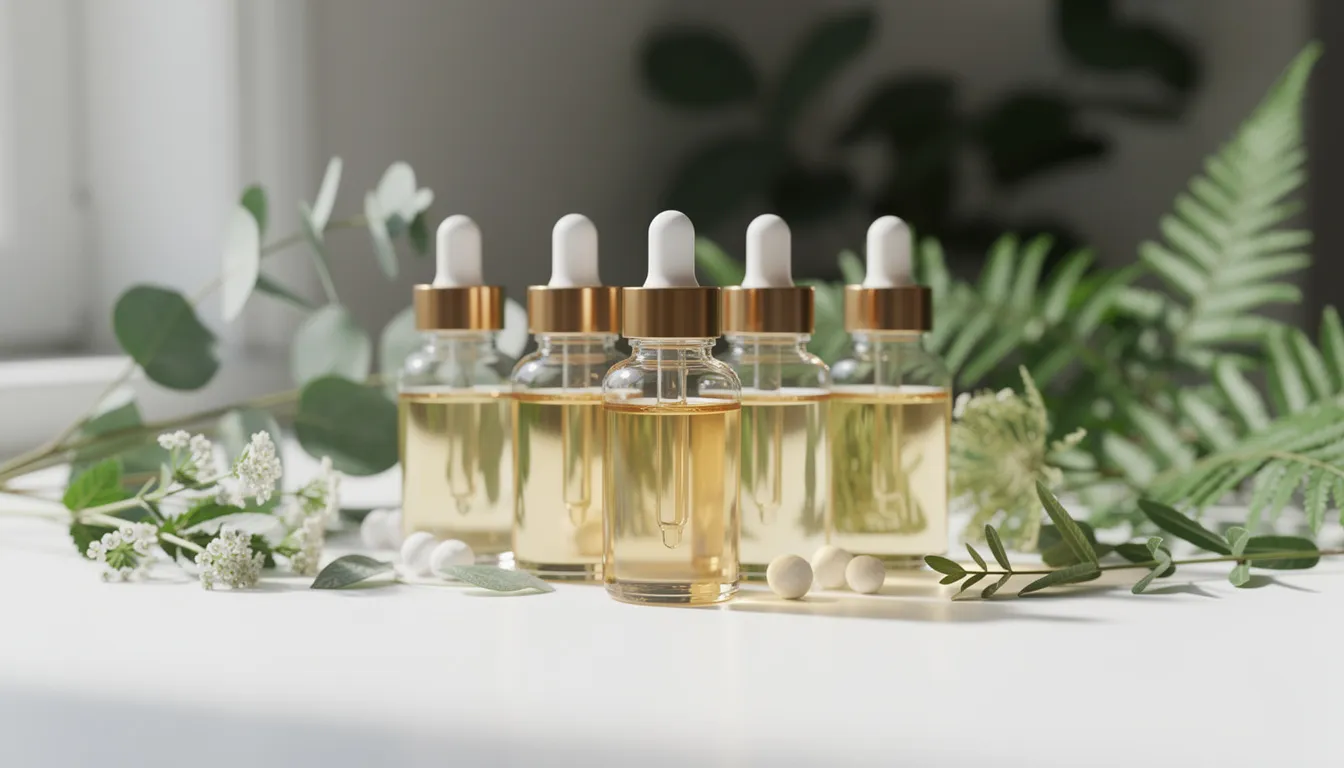
Hyaluronic acid occurs naturally in your skin, binding water to maintain firmness and elasticity. Age diminishes these reserves, leading to dehydration that no amount of water drinking can fully address. Topical hyaluronic acid, derived from natural fermentation of plant sugars, replenishes what time takes away.
The hygroscopic nature of hyaluronic acid allows it to hold up to 1000 times its weight in water, plumping skin from within. Molecular weight matters here—smaller molecules (under 50kDa) penetrate most effectively, reaching deeper layers where hydration makes the greatest difference.
Layer hyaluronic acid serums over damp skin, then seal with a natural moisturizer or face oil. This technique maximizes moisture retention, particularly beneficial for those struggling with dry skin or living in arid climates.
For enhanced hydration, seek serums combining hyaluronic acid with plant extracts like cucumber or marshmallow root, which add soothing and moisture-binding properties.
Natural Brightening Treatments
Vitamin C remains one of skincare’s most effective brightening ingredients, and natural sources like acerola and camu camu provide it in abundance. L-ascorbic acid stimulates collagen production while inhibiting tyrosinase—the enzyme responsible for dark spots and uneven skin tone.
For darker skin tones, which are more prone to post-inflammatory hyperpigmentation, natural vitamin C serums offer effective brightening without the harsh side effects of hydroquinone. Studies show vitamin C fades hyperpigmentation while protecting against future discoloration.
Niacinamide, derived from natural fermentation, offers another powerful brightening pathway. It inhibits melanosome transfer, reducing pigmentation by up to 68% in some studies. The compound works across all skin types with virtually no irritation risk—a rare combination in active ingredients.
Sensitive skin benefits from stabilized vitamin C derivatives combined with soothing botanicals. These gentler formulations brighten gradually without the tingling or redness that pure L-ascorbic acid sometimes causes.
Best Natural Moisturizers for Every Skin Type
Moisturization is where natural skincare truly excels. Plant based oils align with your skin’s hydrolipidic film in ways synthetic emollients cannot replicate. Natural moisturizers don’t simply sit on the surface—they integrate, nourish, and protect.
The distinction between natural and synthetic moisturizing ingredients reveals itself over time. While petrochemicals may provide immediate occlusion, natural oils deliver vitamins, antioxidants, and fatty acids that support skin health at a cellular level.
Natural Face Oils and Balms
Rosehip oil deserves its reputation as a skincare powerhouse. Richest in alpha-linolenic acid among natural oils, it repairs the skin barrier, reduces inflammation, and stimulates collagen production. Studies suggest potential for scar reduction, though more research is needed. Its heat sensitivity requires proper formulation—quality brands incorporate it during cool-down phases to preserve its bioactive compounds.
For those seeking lightweight options, squalane offers hydration without heaviness. It absorbs quickly, leaving skin supple without residue. Mature skin particularly benefits from squalane’s ability to restore flexibility diminished by age.
Application technique enhances results. Warm oils between palms before pressing—not rubbing—into skin. This gentle method encourages absorption while providing a moment of intentional body care.
Natural balms, often featuring combinations of jojoba, rosehip, and natural butters, provide intensive nourishment for very dry skin or targeted treatment of dry patches. These rich source formulations work beautifully as overnight treatments, allowing active ingredients to penetrate while you rest.
Natural Cream Moisturizers
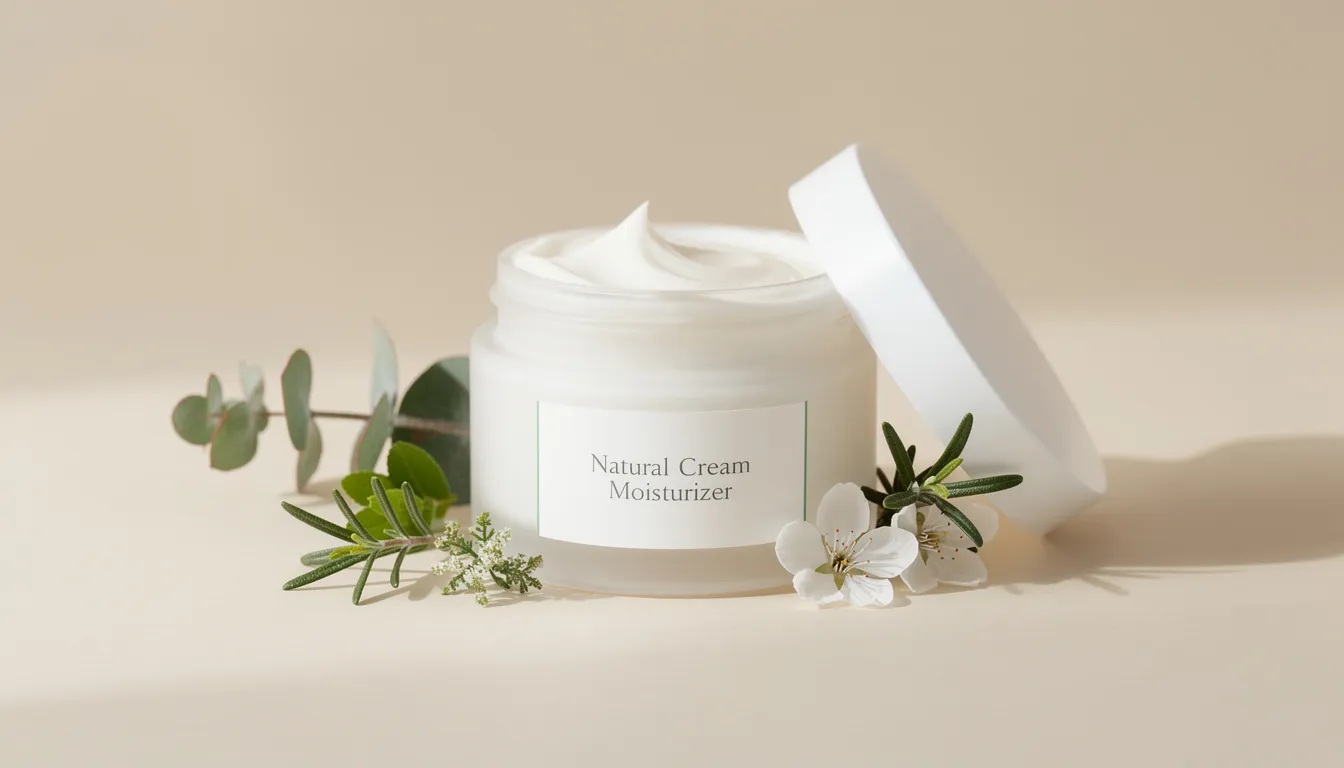
Natural cream moisturizers combine the nourishment of plant based oils with the hydration of water-based ingredients, creating balanced formulations suitable for daily use. The best options feature jojoba for sebum-mimicking moisture, shea or mango butters for richness, and botanical ingredients like calendula or chamomile for soothing.
For daytime use, lighter natural creams protect without interfering with makeup application. Evening formulations can afford richness, incorporating ingredients like bakuchiol or rosehip that benefit from overnight absorption.
Those with acne prone skin should seek non-comedogenic natural creams—jojoba scores zero on comedogenic scales, making it ideal even for pores prone to congestion. Avoid coconut oil in facial products if breakouts concern you; while beneficial for body care, its comedogenic rating makes it problematic for many faces.
Best Natural Sunscreen and Protection
Sun protection prevents skin cancer, premature aging, and hyperpigmentation—no skincare routine is complete without it. Natural skincare approaches sun protection through mineral filters rather than chemical absorbers, relying on zinc oxide and titanium dioxide to physically block UV radiation.
Mineral sunscreens sit atop the skin, reflecting UV rays rather than absorbing them into the body. This distinction matters for those concerned about chemical sunscreen ingredients entering the bloodstream, a topic of ongoing research and discussion.
The historical challenge with mineral sunscreens—white cast—has largely been solved through modern formulation techniques. Many natural skincare brands now offer tinted mineral sunscreens that work beautifully across all skin types and work well for darker skin tones without the ashy appearance that once plagued these products.
Effectiveness depends on proper application: most people under-apply sunscreen dramatically. Use approximately a quarter teaspoon for face alone, reapplying every two hours during sun exposure. Natural sun protection also includes seeking shade, wearing protective clothing, and understanding that no sunscreen provides complete protection.
Beyond sunscreen, antioxidant-rich natural skincare products offer secondary sun protection by neutralizing free radicals generated by UV exposure. Vitamin C, niacinamide, and botanical extracts all contribute to this protective effect when layered under mineral sunscreen.
Addressing Common Skincare Concerns Naturally
Many of the most common skincare concerns—acne, dryness, uneven skin tone, wrinkles, and redness—can be effectively managed with natural skincare products and ingredients. By choosing the right natural solutions, you can nurture your skin without exposing it to harsh chemicals or artificial additives.
For acne prone skin, natural ingredients like tea tree oil and willow bark extract offer gentle yet effective antibacterial and exfoliating properties, helping to keep pores clear and reduce breakouts. Lightweight natural oils such as jojoba can balance sebum production without clogging pores, making them ideal for those struggling with acne.
Dry skin benefits from deeply hydrating natural oils and butters, such as shea butter and avocado oil, which provide lasting moisture and help repair the skin barrier. Hyaluronic acid, naturally derived from plant sources, draws water into the skin, leaving it plump and smooth.
To address uneven skin tone and dark spots, vitamin C from natural sources like acerola or kakadu plum can brighten and even out complexion. These antioxidants help fade hyperpigmentation and protect against environmental stressors that contribute to discoloration.
For those concerned about wrinkles and fine lines, natural skincare products featuring bakuchiol, rosehip oil, and vitamin E support collagen production and improve skin elasticity, resulting in a firmer, more youthful appearance.
Sensitive skin and redness can be soothed with calming botanicals such as aloe vera and calendula. These ingredients help reduce irritation and strengthen the skin’s natural defenses, making them perfect for those who react to conventional skincare products.
By incorporating these natural ingredients into your daily skincare routine, you can address a wide range of concerns—acne, dryness, uneven skin tone, wrinkles, and redness—while supporting your skin’s health and natural beauty. The result is skin that looks and feels its best, all achieved with the gentle power of nature.
Natural Skincare Ingredients to Seek (And Avoid)
Understanding ingredients empowers informed choices. The most effective natural skincare ingredients have scientific backing, not just tradition:
Ingredients to embrace:
-
Jojoba oil: Mimics sebum, anti-inflammatory, non-comedogenic
-
Rosehip oil: Rich in essential fatty acids, supports skin barrier
-
Squalane: Stable emollient, restores flexibility to mature skin
-
Bakuchiol: Natural retinol alternative without irritation
-
Niacinamide: Strengthens barrier, reduces pigmentation, balances sebum
-
Hyaluronic acid: Exceptional hydration, holds 1000x its weight in water
-
Vitamin C: Brightens, stimulates collagen, protects against damage
-
Rosemary extract: Potent antioxidant, extends shelf life naturally
-
Aloe vera: Soothes, hydrates, calms irritation
-
Non-GMO and wildcrafted ingredients: Look for products that use non-GMO and wildcrafted ingredients, as these reflect a commitment to high-quality, ethically sourced botanicals and align with eco-friendly, toxin-free skincare values.
Ingredients requiring caution: Not everything natural suits every skin. Certain essential oils cause photosensitivity or irritation in sensitive skin. Coconut oil, while beneficial for body care, clogs pores on many faces. Even organic ingredients can trigger reactions in allergic individuals.
Reading labels effectively requires understanding that “natural” lacks strict definitions in the skincare industry. Seek third-party certifications like ECOCERT or certified organic standards that demand genuine botanical content. Be wary of products claiming “all natural” while listing synthetic preservatives or fragrances lower in the ingredient list. Natural ingredients can also be more environmentally sustainable, especially when sourced from by-products of other industries.
Red flags include vague claims without specificity, unrealistic promises, and marketing that emphasizes what’s absent rather than what’s present. Quality natural skin care products confidently showcase their active ingredients and their concentrations.
Industry audits reveal that 20-30% of products claiming “natural” contain synthetic ingredients upon testing. This reality underscores the importance of choosing trustworthy skincare brands with transparent practices and third-party verification. Natural ingredients can break down faster when exposed to light and air, so it's crucial that any natural skincare product you buy doesn't come in jar packaging to ensure longevity and efficacy.
Building Your Best Natural Skincare Routine
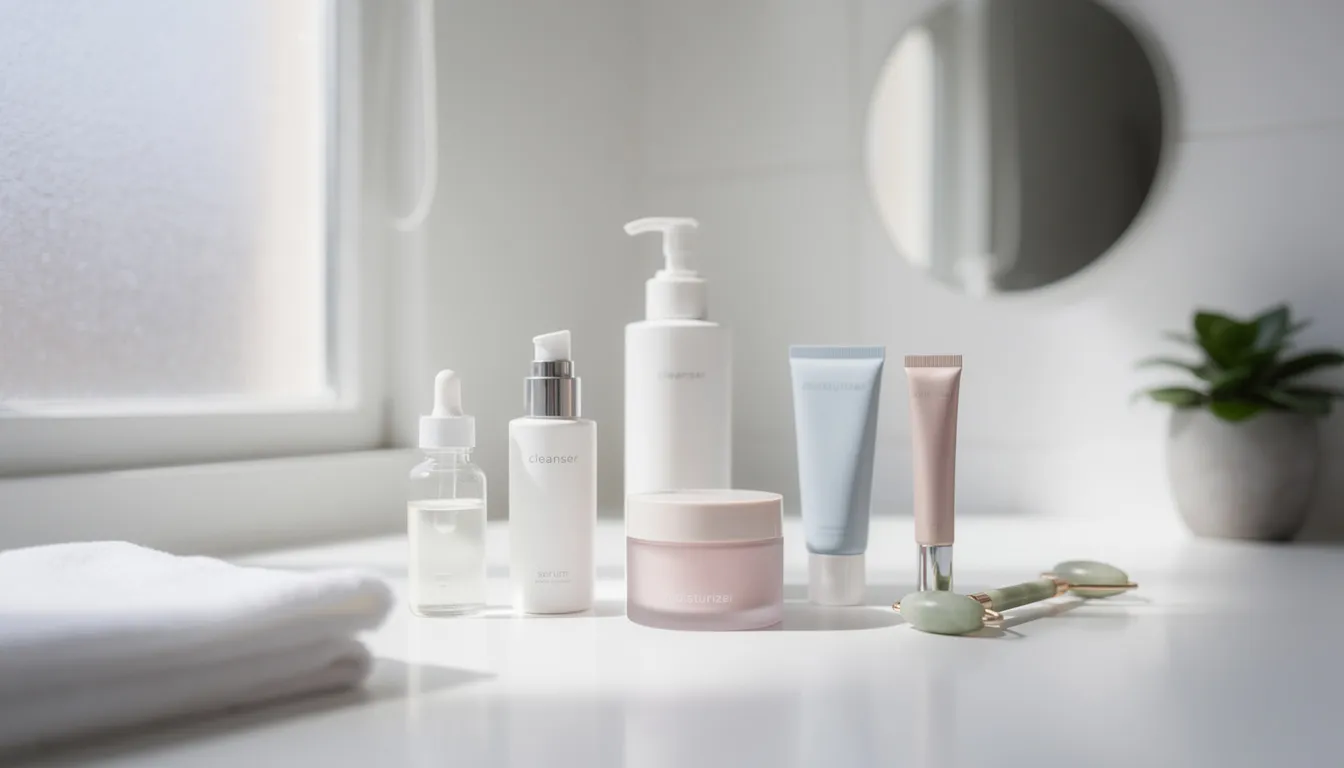
A complete natural skincare routine needn’t be complicated. Consistency matters more than complexity. Here’s a framework adaptable to your unique needs:
Morning Routine:
-
Gentle cleanser (or water rinse if skin is dry)
-
Treatment serum (vitamin C or niacinamide for brightening/protection)
-
Hydrating serum if needed (hyaluronic acid)
-
Natural moisturizer
-
Mineral sunscreen (essential, non-negotiable)
Evening Routine:
-
Oil cleanser to remove sunscreen and makeup
-
Second cleanse if needed (cream or milk cleanser)
-
Treatment serum (bakuchiol or rosehip for anti aging)
-
Richer moisturizer or face oil
Transitioning from conventional to natural products requires patience. Introduce one new product at a time, allowing two weeks between additions to identify any reactions. Your skin barrier may need time to recalibrate after years of harsh ingredients.
Layering natural products follows the thin-to-thick principle: watery serums first, then oils, then creams. This sequence ensures each product absorbs effectively without creating barriers that prevent penetration.
Realistic timelines prevent discouragement. Most people notice improved skin texture within four weeks of consistent natural skincare use. Deeper concerns like dark spots or wrinkles require eight to twelve weeks minimum. Some changes, like strengthened skin barrier function, feel more than they appear—skin feels more resilient, less reactive, better balanced.
Final Thoughts on Natural Skincare Excellence
The best natural skincare combines time-tested wisdom with scientific validation. Ingredients like jojoba, rosehip, bakuchiol, and niacinamide have earned their place not through marketing but through demonstrated efficacy. They work with your skin’s natural biology rather than against it.
Patience and consistency remain essential. Natural skincare products often work more gradually than aggressive synthetics, but they support long-term skin health rather than quick fixes followed by rebound problems. Trust the process.
Remember that “natural” doesn’t automatically mean better—quality matters enormously. Seek cruelty free brands with transparent sourcing, proper extraction methods, and attention to shelf life and expiration date concerns. Third-party certifications provide assurance that products contain what they claim.
The global natural cosmetics market continues expanding, reflecting growing consumer awareness that what we put on our body matters. With 70% of consumers now preferring natural labels, the industry responds with ever-improving formulations that honor both effectiveness and integrity.
Many natural skincare brands use organic and wildcrafted ingredients in their formulations and products, reinforcing their commitment to quality and sustainability. Leading skin care companies are setting new standards for clean, effective, and sustainable products, often featuring best selling personal care products that appeal to a wide range of consumers. For example, True Botanicals is a premium, eco-conscious brand known for its use of organic and wildcrafted ingredients, as well as its certifications and ethical practices. Some brands also offer a skincare quiz to help customers find the best natural products for their unique needs, making the experience more personalized and effective.
Your skin is unique. What works beautifully for one person may not suit another. Approach natural skincare as exploration rather than prescription. Pay attention to how your skin responds. Adjust as seasons change, as your body ages, as life circumstances shift.
Natural skincare isn’t about perfection or purity for its own sake. It’s about respect—for your body, for the land that provides these remarkable botanicals, and for the traditions that preserved this knowledge across generations. That respect, applied consistently, reveals itself in skin that glows with genuine health.
I’d love to hear about your own discoveries in natural skincare. What ingredients have transformed your routine? What questions remain? The journey toward cleaner, more effective beauty continues, and we walk it together.