
Something remarkable is unfolding across America’s rural landscapes and suburban backyards: the homestead on the rise. Families are planting gardens where lawns once stood, raising chickens beside garages, and learning to preserve food the way their great-grandparents did. This isn’t nostalgia—it’s a practical response to a world that feels increasingly uncertain, and the rise of homesteading is experiencing a surge unlike anything we’ve seen in generations.
This article will explore the reasons behind the rise of homesteading, outline different models of modern homesteading (from rural farms to urban backyards), provide practical advice for those interested in starting their own homestead journey, and offer a future outlook on the movement. It is designed for aspiring homesteaders, families seeking greater self-sufficiency, and anyone interested in sustainable living, economic resilience, and natural wellness. The topic matters now more than ever, as economic instability, health concerns, and environmental challenges drive more Americans to seek security, wellness, and connection through self-sufficient living.
The Great Homestead Revival
Homesteading has experienced a massive resurgence in popularity, evolving from a niche, rural lifestyle into a mainstream movement. Traditionally, homesteading referred to living off the land—growing food, raising livestock, and making household goods from scratch, often on rural acreage. Today, the definition has broadened significantly. The current homesteading movement includes urban and suburban dwellers practicing varying degrees of self-sufficiency, rather than being limited to rural farms. Urban homesteading is practiced in suburban or urban environments with small gardens, balcony pots, and backyard chickens.
The modern homesteading movement represents a deliberate return to self-sufficient living, where families take control of their food production, energy needs, and overall wellness. Since 2020, this revival has accelerated dramatically, with rural property purchases surging and urban dwellers seeking land with the same fervor that once drove settlers westward.
Today’s homesteaders differ from their 19th-century predecessors in one crucial way: technology enhances rather than replaces traditional skills. Where Daniel Freeman filed his claim near Beatrice, Nebraska in 1863 with little more than determination and a plow, modern homesteaders combine time-tested wisdom with solar panels, smart irrigation systems, and online communities spanning thousands of miles.
The reasons driving people from urban centers vary, but common threads emerge. Some seek clean ingredients in their food and natural products for their skin. Others desire the gentle rhythm of seasons over the relentless pace of city life. Many simply want their whole family to experience something real—dirt under fingernails, eggs gathered warm from the coop, and the deep satisfaction of a pantry filled with homegrown abundance.
Why Homesteading is on the Rise
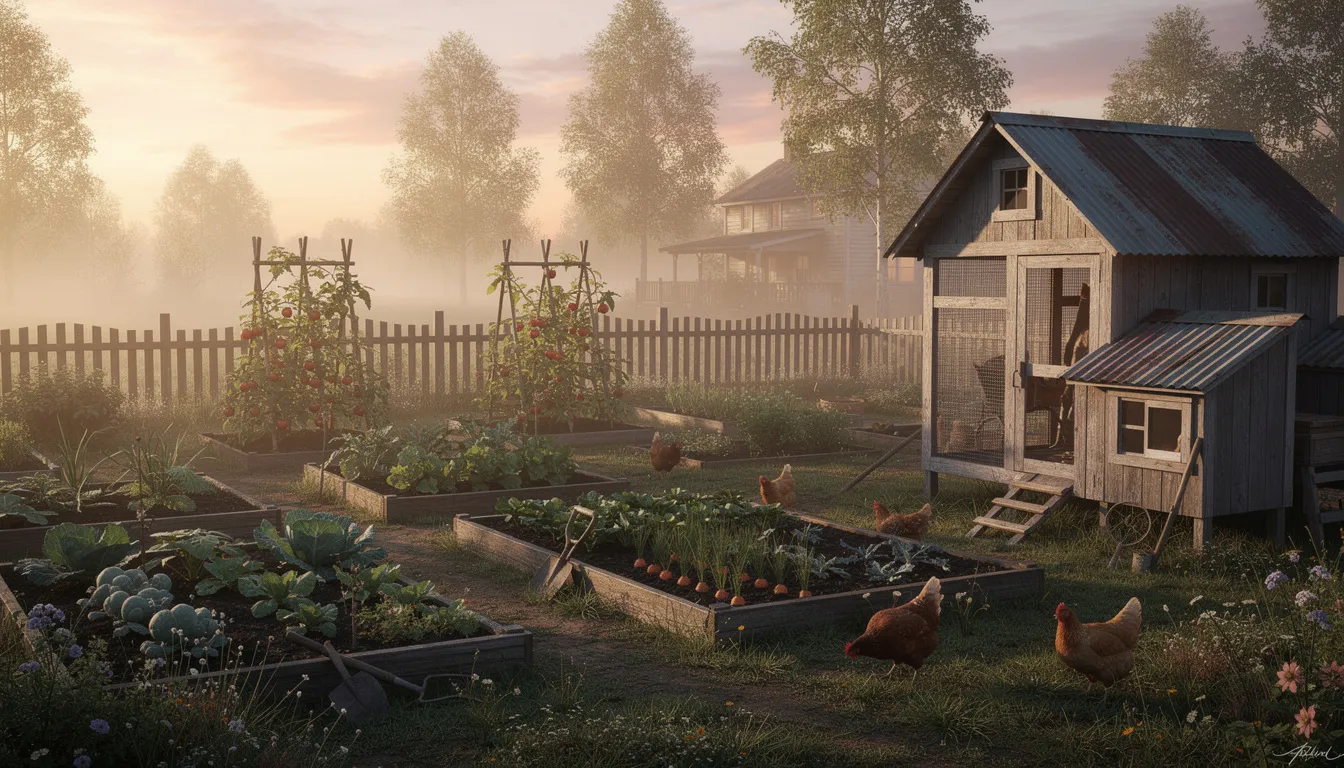
The rise of homesteading is linked to a growing interest in sustainable living and a desire to reconnect with traditional practices. The trend is driven by economic instability, desire for healthier living, and interest in sustainability, particularly among Millennials and Gen Z. Homesteading has experienced a massive resurgence in popularity, evolving from a niche, rural lifestyle into a mainstream movement. Many people are turning to growing their own food due to supply chain interruptions during the COVID-19 pandemic and rising food prices. High inflation and the cost of living have prompted people to pursue homesteading practices to reduce household expenses. In 2025, 54% of Americans planning home gardens cited lowering grocery bills as the primary reason for their actions. Approximately 44% of American families plan to grow their own food in 2025, driven by desires for food security and health.
Summary of Main Drivers:
The rise of homesteading is fueled by several key factors: economic instability and high inflation, which drive families to seek ways to lower household expenses; a growing desire for healthier living and food security; increased interest in sustainability and environmental stewardship; and demographic shifts, with Millennials and Gen Z leading the movement toward self-sufficiency and traditional practices. The COVID-19 pandemic and supply chain disruptions have further accelerated this trend, making homesteading a practical and appealing choice for many Americans.
Economic pressures have pushed many families toward self-reliance. When grocery bills climb and housing costs soar, growing your own food and reducing dependence on supply chains makes practical sense. The same logic that drove 19th-century reformers to champion “Vote Yourself a Farm” resonates today—ownership and self-sufficiency offer security that renting and depending on others cannot.
Health motivations run equally deep. Families want to know exactly what goes into their bodies, choosing grass fed meats, honey ingredients from their own hives, and vegetables untouched by synthetic chemicals. The wellness benefits extend beyond nutrition. Physical activity replaces gym memberships, and the mental health improvements from working outdoors create a balanced life many had forgotten was possible.
Remote work has transformed what’s possible. Digital careers that once demanded city addresses now function beautifully from farmhouse kitchens. This shift means families no longer choose between income and lifestyle—they can earn while learning to make natural soaps, tend livestock, and build something lasting.
Environmental consciousness drives many decisions. Sustainable practices like composting, rainwater collection, and regenerative agriculture appeal to those who want their daily choices to nourish rather than deplete the earth. And increasingly, multigenerational households are forming, with grandparents, parents, and children sharing both labor and the wonderful rewards of homestead life.
Modern Homestead Models
The Weekend Homesteader
Not everyone can relocate to forty acres. The weekend homesteader transforms suburban spaces into productive plots, proving that only a small amount of land can yield remarkable results.
Container gardening fills patios with tomatoes, peppers, and herbs. Backyard chickens provide fresh eggs while teaching children responsibility. Food preservation—canning, fermenting, dehydrating—stretches summer’s bounty through winter months.
These homesteaders maintain city jobs while cultivating essential skills. They might spend Saturday mornings at farmers markets, afternoons making tallow balm or bar soap, and evenings planning next season’s garden. Many also experiment with other natural soaps and stuff like homemade lotions or balms, expanding their self-care routines with a variety of natural products. The mindset matters as much as the acreage. Self-reliance begins wherever you stand.
The Full-Scale Homestead
Complete rural transitions represent the movement’s deepest expression. These families have decided to stake everything on land, livestock, and the promise of independence.
Full-scale homesteads typically include diverse gardens, fruit orchards, and multiple animal species—goats for milk, cattle for meat, chickens for eggs, bees for honey. Off-grid systems provide energy and water independence, severing ties to utility companies.
Income diversification proves essential. These homesteaders sell at farmers markets, run CSA programs, and ship body products nationwide. Some offer agritourism experiences, welcoming visitors to experience farm life. Others create value-added products—preserves that smell delicious, handcrafted items, essential oils distilled from homegrown herbs.
Multi-generational homesteads and intentional communities are emerging, with families pooling resources and sharing labor. The isolation that defeated many 19th-century settlers gives way to carefully cultivated connection.
The Digital Homesteader and Body Products
Technology careers and agricultural pursuits merge beautifully for this growing demographic. Software developers milk goats at dawn. Graphic designers tend beehives between client calls. The digital homesteader represents perhaps the most sustainable model—reliable income combined with progressive self-sufficiency.
Smart farming techniques automate irrigation, monitor soil conditions, and track livestock health. These tools don’t replace human connection with the land; they free time for deeper engagement. Online education platforms and virtual homestead communities connect beginners with experienced mentors across continents.
Success Stories from the Rise
The Thompson family left suburban Atlanta in 2022, purchasing fifteen acres in rural Tennessee. Within two years, their homestead replaced sixty percent of their previous grocery spending. Their goat milk soap business—started in small batches from their kitchen—now ships nationwide. Customers speak of how their skin quickly improved, how the products smell amazing, how switching from chemical-laden alternatives made a huge difference, and how their hands feel noticeably softer and more hydrated after using the products.
Marcus and Elena, former tech workers from Seattle, documented their 2023 transition to Oregon farmland. Their regular shampoo ran out months ago, replaced by homemade alternatives featuring mild coconut and other natural ingredients. Marcus, as a husband, especially appreciated the beard balm and natural soaps for his grooming routine. Their main facial moisturizer became an essential part of their daily skincare, helping with skin recovery and hydration. Their before-and-after comparisons show dramatic lifestyle shifts: stress levels dropped, physical health improved, and their children—once tethered to screens—now absolutely love morning chores.
The challenges are real. One family battled a shingles outbreak during their first winter, learning hard lessons about stress management during major transitions. Others struggled when their underarms began itching from attempting homemade deodorants—eventually finding formulations that worked, like olivia’s natural deodorant alternatives and solutions far gentler than secret and dove deodorants.
Each story emphasizes patience. Homesteads don’t rise overnight. The families who thrive approach development in phases, celebrating small victories while planning long-term.
Essential Elements of Rising Homesteads: Natural Ingredients
Food Production Systems and Goat Milk
Vegetable gardens form the foundation. From simple raised beds to extensive market gardens, growing food remains the most immediate path to self-sufficiency. Fruit orchards require years of patience but provide decades of harvest. Herb cultivation supports both kitchen needs and crafting—creating products that deeply nourish skin and body.
Livestock integration follows individual circumstances:
Chickens demand minimal space while providing eggs, meat, and pest control.
Goats offer milk for drinking, cheese-making, and creating luxurious products.
Cattle suit larger properties.
Alternative proteins—rabbits, quail, fish—maximize production on smaller acreage.
Food preservation transforms seasonal abundance into year-round security. Canning, freezing, fermenting, and dehydrating techniques turn summer tomatoes into winter sauces, ensuring families eat from their land regardless of season, while tallow’s many uses in food, skincare, and candles further expand how homesteaders use every part of what they raise.
Energy and Water Independence
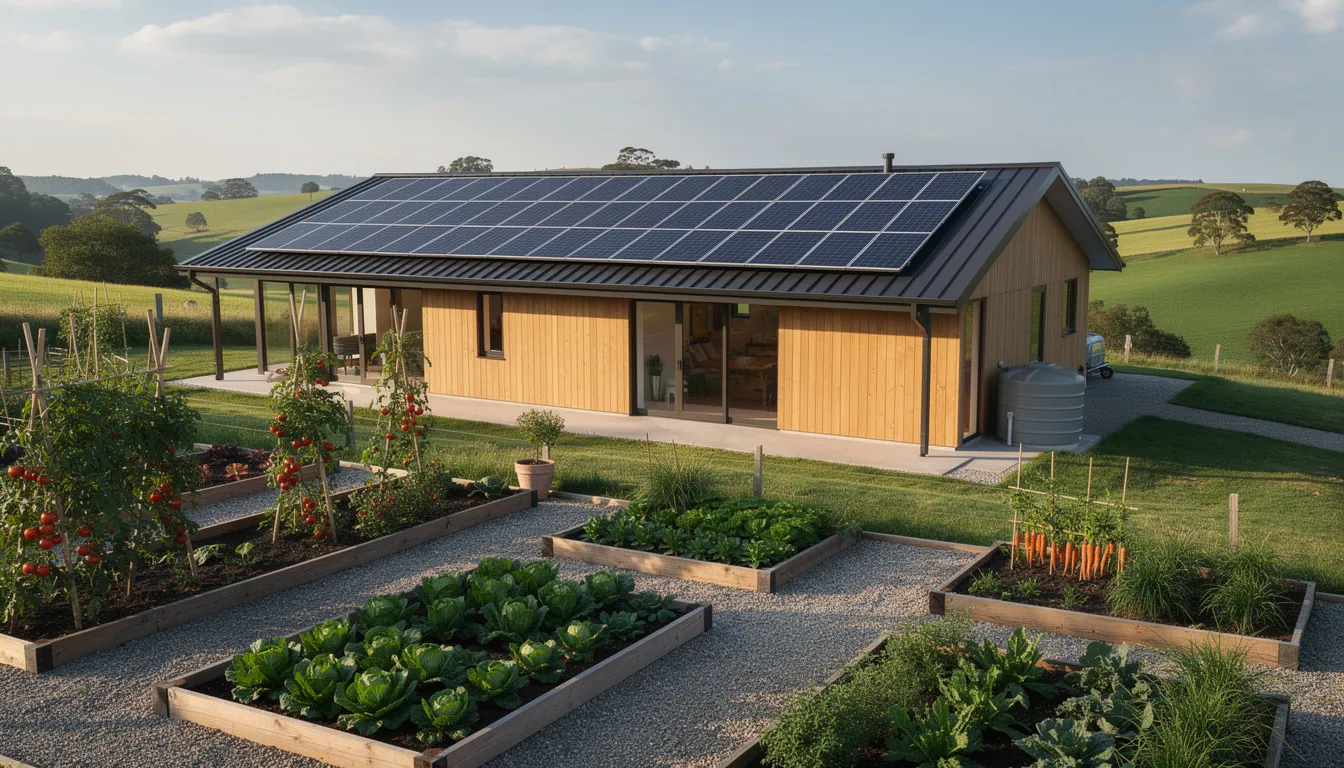
Solar panel installations with battery storage systems provide electrical independence. Proper sizing ensures homesteads function through cloudy weeks and winter months. The initial investment yields decades of free power.
Water systems demand equal attention. Well water offers independence from municipal supplies. Rainwater collection supplements during drought. Greywater systems recycle household water for garden irrigation. Backup generators provide security during extended outages.
These systems require planning, investment, and maintenance—but they deliver freedom from utilities that can fail precisely when needed most.
Income Diversification
Direct-to-consumer sales drive homestead economics. Farmers markets connect producers with customers who value quality over convenience. CSA programs create predictable income while building community. Online stores expand reach beyond local geography.
Value-added products increase margins dramatically:
Raw milk becomes cheese
Cream becomes butter
Tallow becomes balm or even bulk beef tallow for skincare
Gardens yield preserves
Orchards produce cider
Bees provide wax for candles
Service-based income suits many homesteaders’ skills. Consulting helps beginners avoid costly mistakes. Educational workshops share hard-won knowledge. Agritourism experiences let visitors touch something real—and pay for the privilege.
Natural Health and Wellness on the Homestead
One of the most rewarding aspects of homesteading is the ability to take charge of your family’s health and wellness using natural, clean ingredients. Instead of relying on mass-produced products filled with unpronounceable chemicals, homesteaders craft their own body products in small batches, ensuring high standards and gentle care for every member of the household.
The perfect grass-fed tallow balm, made from grass fed beef fat, is a staple in many homestead bathrooms. Premium all natural tallow skincare takes this traditional ingredient and turns it into rich moisturizers, body butters, and soaps. Its creamy texture and deeply nourishing properties leave skin feeling silky smooth, especially during the harsh winter months. Essential oils—distilled from homegrown herbs—add a soothing, natural scent to balms, lotions, and even beard balm, making daily routines feel like a natural bath experience.
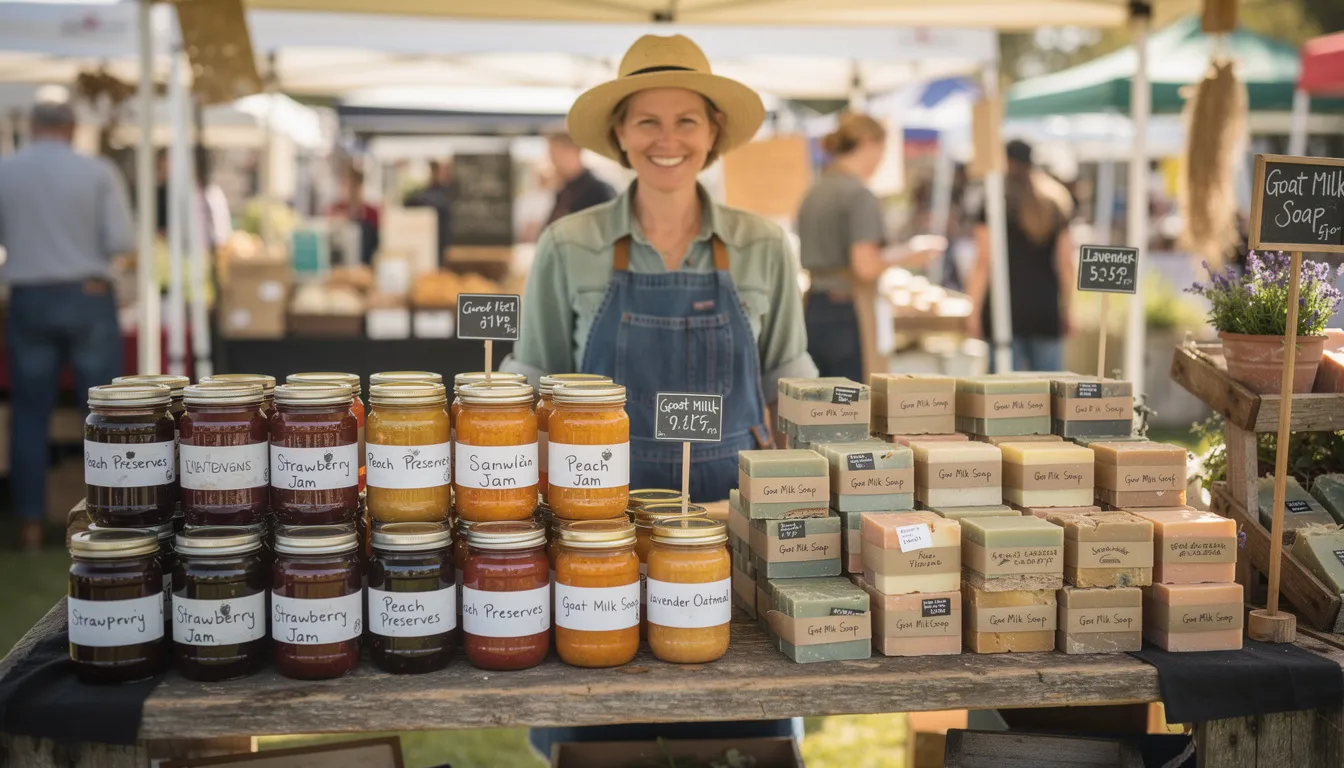
Natural soaps, often crafted with goat milk and honey ingredients, are another favorite, especially bestselling tallow soap bars and moisturizers and other all-natural beef tallow skincare. These bars not only smell amazing but also leave hands feeling soft and hydrated, without the greasy feeling that comes from synthetic alternatives. Customers speak of the huge difference after switching to these natural soaps, noting how their skin quickly improved and how the mild coconut or lime scent lingers in the air, making the whole family’s bath time a treat.
For those seeking alternatives to commercial deodorants, options like Olivia’s natural deodorant have become popular. Many who once relied on secret and dove deodorants found that, after a couple times using natural formulas, their underarms began itching less and their skin felt balanced and soothed. Even those with sensitive skin or a history of rash looked noticeably better after making the switch.
Homesteaders also experiment with orange grove lotion and other natural moisturizers, including tallow skincare for dry and damaged skin, using only a small amount to achieve shiny and smells nice results. These products double as main facial moisturizers, treating acne-prone or winter-dry skin with gentle, hydrating care, similar to tallow-based natural cleansing balms and other beef tallow face care products that nourish while they cleanse. For men, grass-fed tallow grooming products and natural tallow skincare that enhances the skin’s glow, along with beard balm made with natural oils, keep facial hair soft and beard nicely groomed.
Perhaps the best part? Many homesteaders delight in sharing their creations, often including a nice little sample surprise with every order, much like the inspiration found in recent posts on traditional tallow skincare and background on Lady May’s grass-fed beef tallow. It’s a reminder that wellness on the homestead is about more than just products—it’s about treating yourself and your loved ones with kindness, using ingredients you trust, and enjoying the wonderful, clean scents that fill your home.
Preserving Food: Tradition Meets Innovation
Preserving the harvest is a cornerstone of homestead life, blending the wisdom of past generations with the convenience of modern technology. Today’s homesteaders honor tradition by canning tomatoes, fermenting sauerkraut, and dehydrating apples, but they also embrace innovation to make the process safer, easier, and more efficient.
Modern canning lids with improved seals, digital thermometers, and vacuum sealers have transformed the way families store food. These tools help ensure that every jar of pickles or batch of jam is preserved at peak freshness, locking in the natural flavors and nutrients that deeply nourish the body through the winter months.
Homesteaders take pride in using natural ingredients—often grown just steps from the kitchen—to create preserves that smell delicious and taste even better. Honey ingredients from backyard hives sweeten jams, while herbs from the garden add unique flavors to pickled vegetables. The result is a pantry filled with vibrant colors and enticing scents, a testament to the hard work and creativity that defines the homestead rise.
Innovation doesn’t stop at equipment. Many families now track their preservation efforts with digital spreadsheets or apps, ensuring nothing goes to waste and every batch is enjoyed at its best. Some even experiment with new window canning techniques, allowing them to monitor the process more closely and share their results with online homestead communities.
Preserving food is more than a chore—it’s a celebration of abundance, a way to treat your family to wholesome, homemade meals all year long. Whether you’re filling shelves with bar soap and tallow balm from a full range of tallow-based products or jars of tomato sauce and apple butter, the tradition of preservation connects homesteaders to the land, the seasons, and each other.
Homesteading Challenges and How to Overcome Them
Every homestead journey comes with its share of challenges, but overcoming them is part of what makes the experience so rewarding. From learning new skills to adapting to unexpected setbacks, successful homesteaders know that resilience and resourcefulness are just as important as seeds and soil.
Physical labor can be demanding, especially for those new to the lifestyle. It’s common to feel overwhelmed at first, but starting small—whether it’s with a single raised bed or only a small amount of homemade soap—helps build confidence and stamina over time. Many families find that working together not only lightens the load but also strengthens bonds, turning chores into cherished routines.
Switching to natural products can bring its own learning curve. Some people experience skin reactions, like when underarms began itching after trying a new deodorant. The key is to test products gradually, listen to your body, and adjust formulations as needed. Customers speak of the huge difference after finding the right blend—rash looked noticeably better, skin quickly healed, and the greasy feeling of commercial products became a thing of the past.
Emotional resilience is equally important. Homesteading can be isolating, especially during tough seasons or after setbacks like a shingles outbreak or crop failure. Connecting with the wider homestead community—both online and locally—provides encouragement, advice, and a reminder that you’re not alone. Sharing stories, celebrating small victories, and even receiving a nice little sample surprise from a fellow homesteader can lift spirits and renew motivation.
Above all, patience and adaptability are essential. Gardens take time to flourish, skills develop with practice, and every challenge is an opportunity to learn. Treat each obstacle as a step on the path to a more balanced, nourishing, and wonderful life. The homestead rise isn’t about perfection—it’s about progress, persistence, and the joy of building something real, one day at a time.
Getting Started on Your Homestead Journey
Honest assessment precedes action. Examine your current skills, financial position, and family’s genuine commitment. Homesteading demands physical labor, emotional resilience, and willingness to fail forward. Not everyone suits this life—and recognizing that early saves tremendous heartache.
Property selection requires balancing multiple factors: soil quality, water access, climate, proximity to markets, and purchase price. Financial planning must account for income reduction during transition years, infrastructure investments, and unexpected challenges. Most successful homesteaders recommend having one to two years of expenses saved before major transitions.
Essential skills develop best through practice. Start wherever you are—grow something, preserve something, make something. A couple times through the seasons teaches more than any book. Learn to make natural soaps before you move to acreage. Practice food preservation in your current kitchen. Build competence progressively.
Finding mentors accelerates learning dramatically. Local agricultural extension offices offer classes and advice. Experienced homesteaders often welcome genuine learners. The investment in relationships pays dividends for decades.
Realistic timelines prevent discouragement. Productive gardens take seasons to establish. Orchards require years. Livestock systems develop gradually. Infrastructure builds piece by piece. The families who succeed embrace the journey rather than fixating on destinations.
The Homestead Community Network
Online platforms connect homesteaders worldwide. Social media groups share techniques, troubleshoot problems, and celebrate victories. These virtual communities provide support impossible for isolated settlers of earlier eras.
Local associations organize skill-sharing cooperatives where members trade expertise—perhaps exchanging soap-making knowledge for fence-building help. Some communities organize seed libraries, tool sharing, and bulk purchasing cooperatives.
Educational resources abound. Workshops teach everything from animal husbandry to natural bath product creation, and curated tallow skincare guides and step-by-step whipped tallow crafting tutorials help homesteaders deepen their understanding of traditional ingredients. Conferences gather thousands for intensive learning. Certification programs formalize training in specific areas.
Supplier networks ensure access to quality seeds, heritage livestock breeds, and essential equipment, as well as wholesale tallow skincare for homestead businesses. These relationships often become friendships, with experienced suppliers mentoring newer homesteaders through challenges.
Future of the Homestead Rise
Growth projections suggest continued acceleration through 2030 and beyond. Demographic shifts show younger families embracing homesteading earlier than previous generations, while retirees seek productive land over passive leisure.
Technology innovations will support sustainable practices without compromising traditional values. Precision irrigation reduces water waste. Improved solar storage extends off-grid capabilities. Online marketplaces connect producers with customers seeking natural products that leave skin feeling soft and hair shiny amd smells nice.
Policy changes may support small-scale agriculture more robustly. Local food systems gain political attention as supply chain vulnerabilities become apparent. Some states already offer tax incentives for beginning farmers.
Climate change impacts homestead decisions profoundly. Location selection now considers changing precipitation patterns and temperature extremes. Practice adaptations include drought-resistant varieties, water harvesting, and season extension techniques. The homesteaders best positioned for the future combine ancestral wisdom with clear-eyed assessment of changing conditions.
Integration with broader movements strengthens individual homesteads. Regenerative agriculture practices improve soil while sequestering carbon. Local food systems reduce transportation impacts while building community resilience. These connections multiply impact far beyond individual property lines.
The homestead rise continues because it answers needs that modern life fails to address. Security in uncertain times. Connection with land and seasons. Products made with clean ingredients that treat skin and body with gentleness, echoing a family-centered tallow skincare heritage. The warm satisfaction of providing for your family with your own hands.
Whether you begin with a windowsill herb garden or purchase acreage tomorrow, the homestead journey offers something increasingly rare: a life you build deliberately, aligned with values you choose, producing results you can touch and taste and share with those you love.
The rise has begun. Where you join the movement—and how—remains your story to write.