


Spending too much time in the sun happens to the best of us. This article shares an easy, 5-minute recipe for a homemade sunburn spray that cools, hydrates, and supports healing using natural ingredients you can trust.
Quick Overview: What This Essential Oils Sunburn Spray Does
This DIY after sun spray combines the soothing power of aloe vera, the refreshing feel of witch hazel, and carefully diluted lavender essential oil and peppermint essential oil for fast, natural sunburn relief.
The spray can be mixed in about 5 minutes and stored in a small glass spray bottle in the fridge for extra cooling
This is not a replacement for natural sunscreen—it’s designed for use after sun exposure to calm redness and tight, hot skin
The rest of this article covers ingredients, the exact spray recipe, how to use it safely, and which essential oils work best for sunburn support
Why Make Your Own Essential Oils Sunburn Spray?
Picture this: It’s a warm June afternoon, and you’ve spent a few hours gardening or at the beach. Now your shoulders are pink, warm to the touch, and you want relief that doesn’t sting or feel heavy on your skin.
Many commercial after sun spray products available in 2024 contain synthetic fragrances, drying alcohols, and preservatives that can irritate already stressed skin. Dermatologists note that fragrances in particular can aggravate burns rather than calm them.
A diy after sun spray lets you control every ingredient:
Pure aloe without dyes or artificial scents
Alcohol-free witch hazel that won’t dry out your skin
Carefully diluted fragrant essential oil at safe concentrations
A fine mist is gentler than rubbing in lotion on sunburned skin, making a spray ideal for children, shoulders, and hard-to-reach areas like your back. And here’s the practical benefit: one small bottle of lavender oil or peppermint oil can last through multiple summers of after-sun spray batches, making this approach both effective and cost-efficient.
Key Ingredients for an Effective Essential Oils Sunburn Spray
This section breaks down the core ingredients, what they do for sunburned skin, and how to choose quality versions that actually work.
Aloe Vera: The Cooling Backbone of the Spray
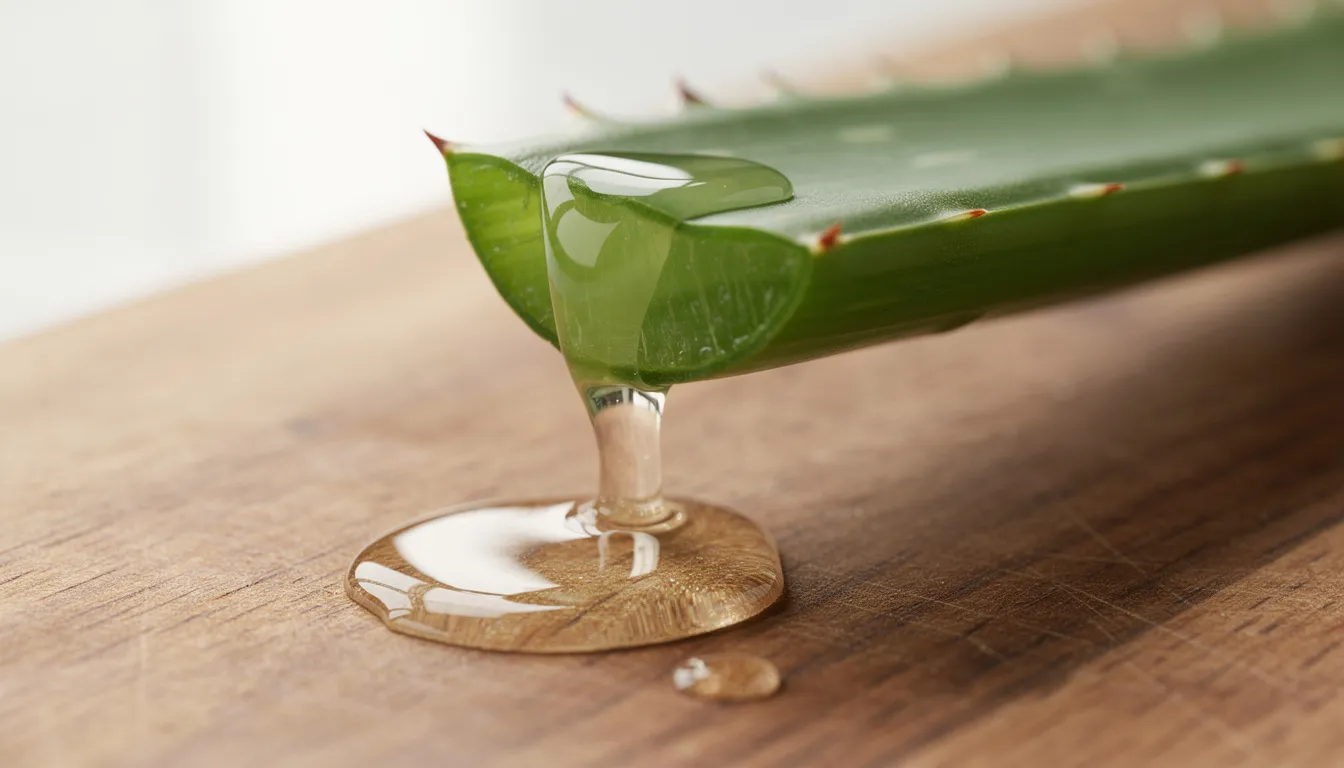
Aloe vera has been used as a traditional remedy for burns and sunburns since at least the mid-20th century, and the aloe plant remains a summer skincare staple for good reason. The gel from the aloe plant promotes cell regeneration and delivers immediate moisture to tight, hot skin.
Understanding your options:
When shopping, check ingredient lists carefully. Aim for products where aloe is the first ingredient, and avoid bright green or blue products with artificial dyes. Refrigerated aloe (and your finished spray) gives additional cooling and feels especially wonderful after hot July or August days.
Witch Hazel and Carrier Oils: Supportive Soothers
Alcohol-free witch hazel distillate is a gentle, plant-based tonic that calms and refreshes skin without the sting of added alcohol. Look for products with just water and witch hazel extract on the label—skip anything with fragrances or parabens.
For carrier oils, fractionated coconut oil or jojoba oil work beautifully as lightweight, non-greasy options that:
Help moisturize tight, sunburned skin
Distribute oils evenly throughout the spray
Lock in moisture without feeling heavy
If you have coconut allergies, jojoba or grapeseed oil make excellent alternatives.
Lavender Essential Oil
Lavender essential oil is the go-to choice for calming heat, redness, and general skin irritation after too much sun exposure. Research shows lavender contains seven or more active compounds that promote antibacterial, anti inflammatory properties, and skin regeneration. It also provides a relaxing aroma that can help you unwind after a long day outdoors.
Peppermint Essential Oil
Peppermint essential oil delivers an instant cooling effect thanks to its menthol content—quality peppermint contains at least 44% free menthol. This creates that immediate “ahh” sensation on hot, irritated skin. However, use it sparingly, especially if you have sensitive skin, as it can cause minor redness in some people.
Optional Supporting Oils
You can also consider these add-ins:
Roman chamomile: Gentle and calming, with over 10 active ingredients that support wound healing, used for thousands of years for skin conditions
Tea tree: Offers antimicrobial properties that help protect compromised skin from infection
Frankincense: Known for nourishing properties and supporting skin recovery
Always remember that any essential oil must be properly diluted before being applied topically.
Distilled Water
Purified or distilled water rounds out the formula and helps the spray feel light and mistable on the skin.
Choosing Essential Oils Safely and Smartly
There’s a lot of marketing hype around essential oils in 2024, but a few simple checks help you pick safe, effective options.
Look for these quality indicators:
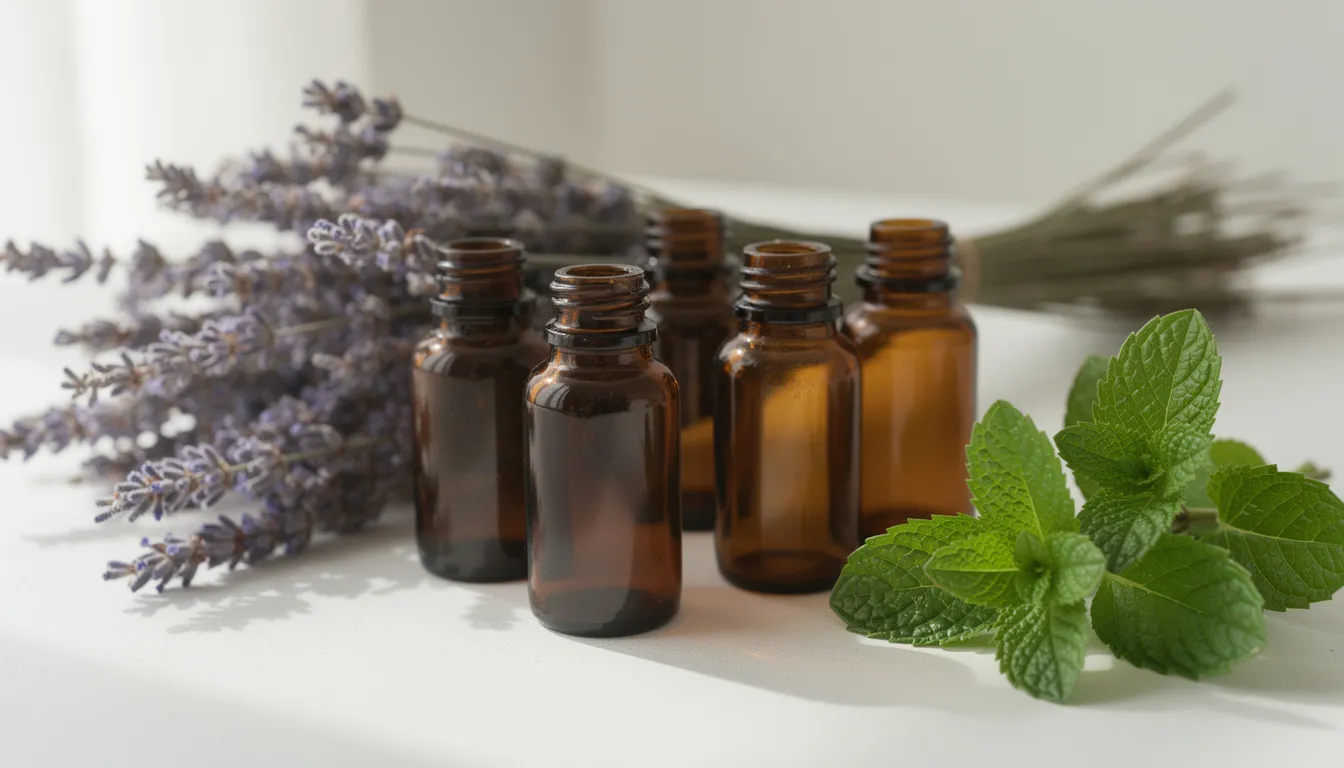
Full Latin botanical name on the label (e.g., Lavandula angustifolia for lavender, Mentha × piperita for peppermint)
Dark glass bottle packaging
Clear “100% pure essential oil” labeling
No added fragrance or carrier oil unless clearly stated
Third-party testing info (like GC/MS reports) or transparency on sourcing
Safety reminder: Never apply essential oils undiluted to sunburned skin. Store them out of reach of children and pets, and avoid contact with eyes and sensitive areas.
Sun Spray and Sunburn Prevention
Enjoying the sun is one of summer’s greatest pleasures, but protecting your skin should always come first. Sun spray and sunburn prevention go hand in hand for keeping your skin healthy and comfortable all season long. By using a homemade sunburn spray or after sun spray, you can quickly soothe and calm irritated skin, helping to minimize redness and discomfort after sun exposure.
Ingredients like lavender essential oil and peppermint essential oil are prized for their anti-inflammatory properties and cooling effect, making them perfect for sunburn relief. Aloe vera gel delivers instant hydration and helps repair the skin, while coconut oil acts as a nourishing carrier oil that locks in moisture and supports healing. When you create your own sun spray, you have full control over the ingredients, ensuring your formula is both gentle and effective.
Incorporating natural sunscreen ingredients and applying your homemade sunburn spray regularly can help you enjoy the sun safely. Not only does this approach provide immediate relief for irritated skin, but it also supports your skin’s long-term health by reducing the risk of lasting damage. With a little preparation, you can make sun care a nourishing and soothing part of your summer routine.
DIY Essential Oils Sunburn Spray Recipe (Step-by-Step)
This recipe makes enough spray to fill a 4 oz (120 ml) bottle—perfect for a weekend trip or daily use during summer. Make and store the finished spray in an amber or cobalt glass spray bottle for best preservation and minimal light exposure.
Ingredients
Instructions
Combine oils first: Pour the carrier oil into a clean glass jar, then add your lavender and peppermint drops. Swirl gently to mix.
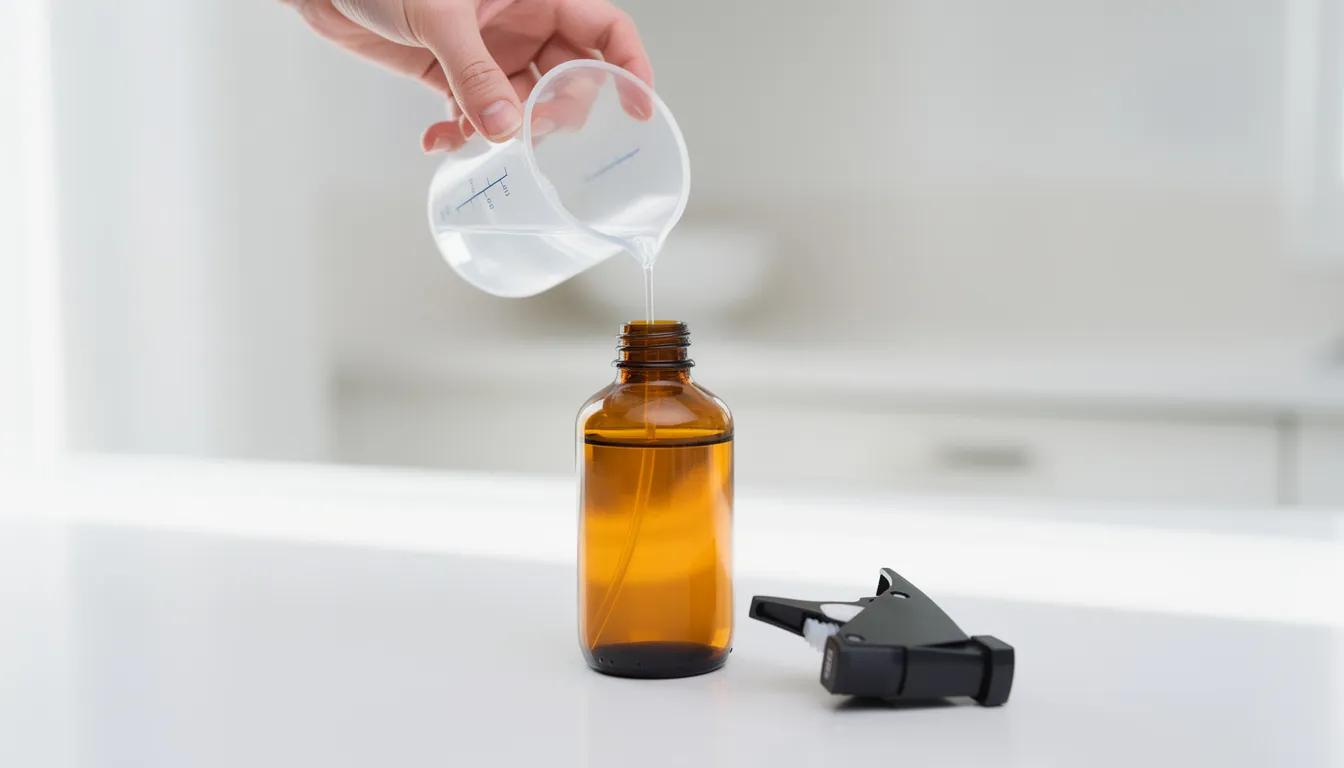
Add the liquid base: Pour in the aloe vera gel or juice, followed by the witch hazel.
Top off with water: Add distilled water if needed to fill the bottle, leaving a small gap at the top.
Mix and shake: Cap the spray bottle tightly and shake well to combine all ingredients.
Label your creation: Write “After Sun Essential Oils Spray” and the date (e.g., “Mixed: July 2024”) on the bottle.
Hygiene matters: Use a clean funnel, washed hands, and a freshly cleaned bottle to help your sunburn spray last longer and stay fresh.
Customizing Your Spray Recipe
One of the best things about making your own sunburn spray is the ability to customize the recipe to fit your unique skin needs. Start with the basic formula, then get creative by adding or swapping ingredients to enhance the benefits. For example, a few drops of tea tree oil can boost the antimicrobial properties of your spray, helping to protect skin that’s been stressed by the sun. If you’re looking for extra soothing, calendula oil is a wonderful addition known for its calming effects on sensitive or irritated skin.
Choosing the right carrier oils is also key—sweet almond oil and jojoba oil are excellent alternatives to coconut oil, especially if you have allergies or prefer a lighter feel. Always follow proper dilution guidelines to avoid skin irritation, and patch test any new blend before using it on larger areas.
By experimenting with different oils and botanicals, you can create a homemade sunburn spray that’s perfectly tailored to your skin type and preferences. Whether you want extra soothing, antimicrobial support, or a specific scent, customizing your spray recipe ensures you get the most out of every application.
Sunburn Spray Recipe Variations
There’s no one-size-fits-all when it comes to sunburn relief, and that’s why trying different sunburn spray recipe variations can be so rewarding. For a deeply soothing blend, combine aloe vera gel, lavender essential oil, and coconut oil in a glass spray bottle—this trio hydrates, calms, and nourishes sun-stressed skin. If you crave a refreshing, cooling effect, try mixing peppermint essential oil with witch hazel and distilled water for a light, invigorating mist.
To further boost your spray’s nourishing power, consider adding a few drops of vitamin E oil or ascorbic acid (vitamin C) for their antioxidant benefits. You can also experiment with other skin-loving essential oils like chamomile or geranium, which offer additional soothing and balancing properties.
Always use a glass spray bottle to preserve the integrity of your ingredients, and store your homemade sunburn spray in a cool, dark place to keep it fresh. With so many possible combinations, you can easily create a sunburn spray recipe that’s just right for your skin and your summer adventures.
How to Use Your Essential Oils Sunburn Spray for Best Relief
Timing and technique matter when seeking sunburn relief. The spray works best within the first 24 hours after noticing pink or red skin.
Application Steps
Cool down first: Take a lukewarm or slightly cool shower, then gently pat dry—avoid harsh scrubbing or exfoliation on irritated skin
Shake well: Shake the spray bottle before each use to redistribute the oils throughout the liquid
Patch test: Apply a small amount to your forearm or back first, waiting at least 15 minutes to check for any irritation
Mist lightly: Spray over the affected area without rubbing it in aggressively—let the skin soothing formula absorb naturally
Reapply as needed: Use every 20–30 minutes initially for comfort, then a few times per day while the sunburn heals
Storage Tips
Keep the bottle in the refrigerator during summer for an extra cool sensation
Use within 2–3 weeks for best freshness
Store in a shaded part of your beach bag when traveling
Important reminders:
Avoid contact near eyes, mouth, or on broken blisters
Do not use peppermint-containing spray on infants or very young children
Daily Use, Moisturizing, and What This Spray Can Replace
For many adults, a gentle, well-diluted after-sun spray can be used daily during summer as a light body mist after being outdoors.
What to expect:
People with eczema, psoriasis, or other chronic skin conditions should consult a dermatologist before using essential-oil products daily on large skin areas, as oils can sometimes cause additional inflammation or skin irritation.
Best Essential Oils for Sunburn Relief (and When to Avoid Them)
Not all essential oils are safe for sun-exposed skin. Some citrus oils can actually increase sun sensitivity and cause more damage.
Recommended Oils
Lavender (primary choice)
Excellent for burns and general treatment of sunburn discomfort
Keep total dilution around 1–2% for adults, less for sensitive skin
Provides calming aromatherapy benefits alongside physical relief
Peppermint (for cooling)
Rich in menthol for instant cooling effect
Avoid on children under about 6 years old
Never use near the face of infants
Roman Chamomile (for sensitive skin)
Gentle option for reducing redness and pain
Especially suitable for reactive skin types
Part of the herbs family used for centuries in skin care
Tea Tree (optional antimicrobial support)
Small-percentage add-in for its antimicrobial properties
Can be irritating for some people—patch test first
Helps protect compromised skin from infection
What to Avoid
Undiluted essential oils directly on sunburn
Photosensitizing oils like cold-pressed bergamot, lime, or lemon on skin that will see sun
Excessive concentration: Keep total essential oil content below about 12–15 drops per 4 oz bottle for most adults, and much less for older children or those with sensitive skin
Sunburn Prevention Methods
Preventing sunburn is always easier than treating it, and a few simple habits can make a big difference in your skin’s health. Start by choosing natural sunscreen ingredients like zinc oxide or titanium dioxide, which provide a physical barrier against the sun’s rays without irritating sensitive skin. Wearing protective clothing, such as wide-brimmed hats and UV-blocking sunglasses, and seeking shade during peak sun hours are also effective ways to minimize exposure.
After spending time outdoors, reach for your homemade sunburn spray or after sun spray to calm and hydrate irritated skin. This not only provides immediate comfort but also helps reduce the risk of long-term skin irritation. Always apply your spray topically, avoiding contact with sensitive areas like the eyes and mouth, to prevent further irritation.
By combining these sunburn prevention methods, you can enjoy the sun safely while keeping your skin healthy, soothed, and nourished all summer long.
How Long Does Essential Oils Sunburn Spray Last?
This is a water- and aloe-based, preservative-free spray, so it’s best made in small batches that can be used up within about 2–3 weeks.
Signs it’s time to create a fresh batch:
Off smell develops
Color changes
Cloudiness or separation that doesn’t resolve with shaking
More than 3 weeks since mixing date
Storage recommendations:
Consider remixing a fresh batch at the start of each warm-weather month for consistent quality and safety. You can pour any remaining spray onto houseplants (they’ll appreciate the moisture and nutrients) rather than waste it.
Important Safety Tips and When to See a Doctor
This DIY essential oils sunburn spray is designed for mild, first-degree sunburns only—that means pink or red skin without open blisters.
Seek Medical Attention For
Extensive blistering
Chills or fever
Nausea or dizziness
Sunburn covering a large portion of the body
Severe pain that doesn’t improve with home treatment
Children, older adults, and people with chronic health conditions may be more vulnerable to sun-related dehydration and should be monitored closely after exposure.
Critical Safety Rules
Never use essential oils on broken, blistered, or severely burned skin—use only plain, cool compresses and seek professional care
Do not ingest essential oils—they are for topical use only
Keep away from eyes—if contact occurs, rinse with coconut oil (not water) first
Stop immediately if any itching, rash, or swelling appears
Store properly in a dark lid-covered bottle away from heat and light
Making Sun Care a Family Priority
A simple essential oils sunburn spray can be a wonderful addition to your 2024 summer first-aid kit—provided it’s used gently, safely, and always alongside good sun protection habits. Remember that vitamins like vitamin E (and ascorbic acid, also known as vitamin C) in your diet also support skin health and provide antioxidants that help combat UV damage from the inside out. For an extra boost, adding a few drops of vitamin e oil to your sunburn spray can further enhance its nourishing and antioxidant properties.
The goal isn’t to replace sunscreen or professional medical care. It’s to have a fresh, nourishing option ready when you or your family needs quick comfort after too much time in the sun. Mix up a small batch, store it in the fridge, and enjoy knowing exactly what’s in your after-sun relief spray all summer long.
Start with the basic recipe, test carefully on a small area first, and adjust the essential oil amounts based on your skin’s response. Your skin—and your family—will thank you.
Conclusion
In conclusion, making your own homemade sunburn spray or after sun spray is a wonderful way to care for your skin after sun exposure. By harnessing the soothing and anti-inflammatory properties of natural ingredients like lavender essential oil, peppermint essential oil, and aloe vera gel, you can create a formula that delivers fast relief and lasting nourishment. Customizing your recipe allows you to address your unique skin needs, while experimenting with different oils and botanicals keeps your routine fresh and effective.
Remember, prevention is key—combine your sunburn spray with natural sunscreen and protective clothing to minimize the risk of irritation and long-term damage. With a little creativity and attention to your skin’s needs, you can enjoy the sun with confidence, knowing you have a gentle, effective, and nourishing solution ready whenever you need it. Your skin will thank you for the extra care and attention, making every summer day a little more comfortable and a lot more enjoyable.
