
The Simple Truth About Beef Tallow for Skin
Yes, beef tallow is genuinely good for skin—and the reason is beautifully simple. This rendered beef fat contains a fatty acid profile remarkably similar to human sebum, the natural oils your skin produces to protect and moisturize itself. When you apply pure beef tallow, your skin recognizes it as something familiar, allowing for deep absorption and lasting hydration.
Tallow is rendered beef fat that comes from the hard, fatty tissue surrounding cow kidneys and other organs.
Beef tallow is the clarified fat rendered from the tissue surrounding a cow’s organs, traditionally used for centuries in cooking, candle-making, and skincare. At room temperature, it appears solid and creamy white or pale yellow—unassuming, perhaps, but extraordinarily effective.
What you’ll discover in this guide is not a passing trend dressed up in modern marketing. This is ancestral wisdom validated by emerging science, practical guidance rooted in real experience, and honest answers about who benefits most from this natural product. Whether you’re battling dry skin, seeking relief for irritated skin, or simply curious about simplifying your skincare routine, you’ll find clarity here.
Consider this your invitation to explore skincare the way generations before us understood it—working with nature rather than against it.

Ancestral Wisdom: Why Our Grandmothers Knew Best
Long before department store counters displayed rows of synthetic lotions, women across cultures reached for what the land provided. Rendered animal fat was a cornerstone of skin care in traditional European households, among Indigenous communities, and throughout pastoral societies worldwide. Our grandmothers didn’t have clinical studies to guide them—they had generations of practical observation.
These traditional methods survived because they worked. When your great-grandmother’s hands cracked from winter cold or farm work, she didn’t reach for a petroleum-based cream. She used what came from her kitchen—often tallow saved from cooking. The skin healed. The practice continued.
There’s a particular wisdom in working with ingredients that come from the same biological systems we’re trying to nourish. Beef tallow contains fat soluble vitamins like A, D, E, and K—nutrients that skin cells recognize and utilize. The fatty acids present, including stearic, oleic, and linoleic acids, mirror what your own skin produces naturally.
Modern skin science increasingly confirms what these women understood intuitively. The skin barrier functions optimally when fed compatible lipids. Ancestral practices aligned with this truth not through laboratory analysis, but through the patient observation that comes from living close to the land.
The Remarkable Benefits of Beef Tallow for Your Skin
The potential benefits of beef tallow for skin extend far beyond basic moisture. This traditional ingredient works on multiple levels to support genuine skin health, making it an appealing choice for those seeking a beginner-friendly introduction to beef tallow skincare.
-
Deep Moisturizing Properties
Unlike most lotions that sit on the surface or evaporate quickly, tallow penetrates. Its composition allows it to integrate with your skin’s natural lipid structure, providing moisture that lasts throughout the day. Research on tallow-based emulsions demonstrated significant increases in skin hydration—progressive improvements measured at intervals from 30 minutes to 3 hours post-application.
-
Fatty Acids That Mirror Human Sebum
The conjugated linoleic acid, alpha linoleic acid, and oleic acid in tallow closely resemble what your sebaceous glands produce. This biocompatibility means your skin accepts tallow readily rather than treating it as a foreign substance. The result is softer skin without the synthetic barrier that many conventional products create.
-
Anti-inflammatory Properties
For sensitive skin that reacts to harsh chemicals in conventional skincare products, tallow offers a gentler path. Clinical studies have shown tallow-based formulations provide relief for conditions like atopic dermatitis and psoriasis, reducing inflammation markers and supporting barrier repair.
-
Lasting Hydration
Where plant based alternatives like coconut oil or shea butter may require frequent reapplication, tallow’s occlusive properties lock moisture in effectively. This makes it particularly valuable for dry skin that seems to drink up everything applied to it.
Quality Matters: Not All Beef Tallow is Created Equal
The tallow brand or source you choose determines whether you’ll experience remarkable results or disappointment. Understanding quality markers protects both your skin and your investment.
Rendering Methods
Dry-rendering produces cleaner, more stable tallow than wet-rendering processes. The dry method involves slowly heating the fat to separate pure tallow from connective tissue, resulting in a product with minimal impurities and longer shelf life. Premium tallow should smell clean and slightly beefy—never rancid or heavily processed.
Suet Fat Creates the Purest Tallow
The fat surrounding the kidneys and other organs, called suet, renders into the highest quality tallow. This interior fat is naturally cleaner and more saturated than subcutaneous fat, producing a whiter, harder final product with superior moisturizing properties.
Red Flags to Avoid
Be cautious of tallow products with extensive ingredient lists, artificial fragrances, or vague sourcing claims. Pure beef tallow needs no preservatives when properly rendered and stored. Products labeled “tallow-based” may contain only small percentages of actual tallow alongside cheaper fillers.
Identifying Premium Quality
Quality tallow should be fragrance free or carry only subtle natural scents if essential oils have been added. It should feel smooth, not gritty, and melt readily at body temperature. Reputable producers will transparently share their sourcing and rendering practices.

Who Benefits Most from Beef Tallow Skincare
While tallow offers something for nearly everyone, certain individuals will notice particularly dramatic improvements, especially when they follow personalized tallow skincare guidance by skin type.
Ideal Skin Types
-
Dry skin responds beautifully to tallow’s deep moisturizing properties. If conventional products leave your skin feeling tight within hours, tallow’s compatibility with your natural lipid barrier provides the lasting hydration you’ve been seeking.
-
Normal skin types also benefit from tallow’s balanced approach to moisture without excess.
Specific Concerns Tallow Addresses
-
Those struggling with irritated skin, eczema, or psoriasis often find relief with tallow. Its anti-inflammatory fatty acids calm reactive skin, while its occlusive nature prevents the moisture loss that exacerbates these conditions.
-
Rough patches, cracked heels, and windburned skin respond remarkably well.
Mature Skin Particularly Benefits
As we age, our skin produces less sebum. Mature skin that once managed itself now struggles to maintain adequate moisture. Tallow replenishes what time diminishes, supporting skin barrier function and providing the lipids that keep skin supple. The fat soluble vitamins support ongoing skin regeneration.
Seasonal Considerations
-
Winter’s harsh conditions make tallow invaluable. When heating systems strip moisture from indoor air and cold winds assault your face outdoors, tallow creates a protective layer that conventional lotions simply cannot match.
-
Summer may call for lighter application, but tallow remains beneficial year-round.
When Beef Tallow Isn’t the Answer
Honest guidance requires acknowledging that tallow isn’t universally perfect. Some individuals should approach with thoughtful caution.
Skin Types Requiring Caution
Oily skin and acne prone skin present a more complicated picture. While some with cystic acne sensitive to harsh chemicals find tallow helps restore balance, others experience increased breakouts. The key lies in understanding your skin’s particular patterns.
Acne-Prone Considerations
While dermatologists urge caution about comedogenic risks, tallow’s comedogenicity varies by individual. Some people with acne prone skin tolerate tallow beautifully; others find it contributes to clogged pores. The linoleic acid in quality tallow actually supports healthy sebum production, but pore clogging remains a valid concern for certain skin types.
Proper Patch Testing
Before applying tallow to your entire face, test on a small area of skin—perhaps behind your ear or on your inner arm—for several days. Watch for any allergic reactions, increased breakouts, or irritation. This simple step prevents potential frustration.
Alternative Options
If tallow proves problematic for facial use, consider using it for body skin only while choosing jojoba oil or other non comedogenic options for your face. Plant based alternatives like shea butter offer similar moisturizing properties with different fatty acid profiles that may suit acne-prone individuals better.
Real Experience: How Beef Tallow Transforms Daily Skincare
Years of using tallow reveal patterns that clinical studies don’t always capture—the lived experience of incorporating this ancient ingredient into modern life.
Texture and Absorption
Quality tallow, especially whipped beef tallow or whipped texture formulations, melts instantly upon contact with warm skin. The initial feel is rich—richer than most lotions—but it absorbs within minutes, leaving no greasy residue when properly rendered. A tallow balm applied at night creates a protective cocoon; by morning, skin feels deeply nourished rather than oily, often revealing a more naturally radiant tallow-powered glow.
Different Areas, Different Experiences
Facial skin absorbs tallow differently than body skin. Your face may need only a tiny amount—less than you’d use of conventional moisturizer. Elbows, knees, and feet welcome more generous application. Hands benefit enormously, especially those subjected to frequent washing or manual work.
Seasonal Adaptation
In winter, my skin craves more tallow, applied morning and night. Summer calls for lighter use—perhaps only at night or mixed with a drop of rose oil or natural oils for enhanced absorption. Learning to read what your skin needs in each season becomes intuitive over time.
Honest Expectations
Tallow won’t erase wrinkles overnight or transform your skin tone dramatically in a week. What it will do is provide consistent, reliable moisture that supports your skin’s own healing processes. Skin regeneration happens gradually. Expect softer skin within days, improved barrier function within weeks, and lasting health with continued use.
The Adjustment Period
Some experience an adjustment period when switching to tallow from synthetic products. Your skin may produce more or less oil temporarily as it recalibrates. This typically resolves within two to three weeks. Patience during this transition rewards you with balanced skin that requires less intervention.
Beef Tallow Versus Modern Moisturizers
How does this traditional ingredient compare to what fills most bathroom cabinets?
Comparison to Popular Ingredients
Tallow outperforms many popular moisturizing ingredients in terms of biocompatibility. While coconut oil provides surface moisture, it doesn’t match tallow’s similarity to human sebum. Shea butter offers excellent emollience but lacks tallow’s vitamin profile. Synthetic ingredients may moisturize but often require additional additives to remain stable.
Longevity and Value
A small jar of properly made tallow moisturizer lasts months. You need less per application because it works more efficiently. When calculating cost per use, quality tallow often proves more economical than premium conventional products despite higher upfront prices.
Natural Versus Synthetic Philosophy
Tallow represents a fundamentally different approach to skincare—working with your skin’s biology rather than attempting to override it. Most lotions rely on synthetic emulsifiers, preservatives, and humectants. Tallow needs only itself. This simplicity appeals to those seeking organic skincare solutions without complicated ingredient lists.
When to Choose Tallow
Choose tallow when you want an effective moisturizer with ingredient transparency. Choose it when your skin struggles with irritation from harsh chemicals. Choose it when you’ve tried countless products without finding satisfaction. Choose it when you’re ready to trust in nature’s simple solutions.
The Art of Using Beef Tallow Properly
Application technique influences results significantly. These practices maximize tallow’s benefits.
Best Application Techniques
-
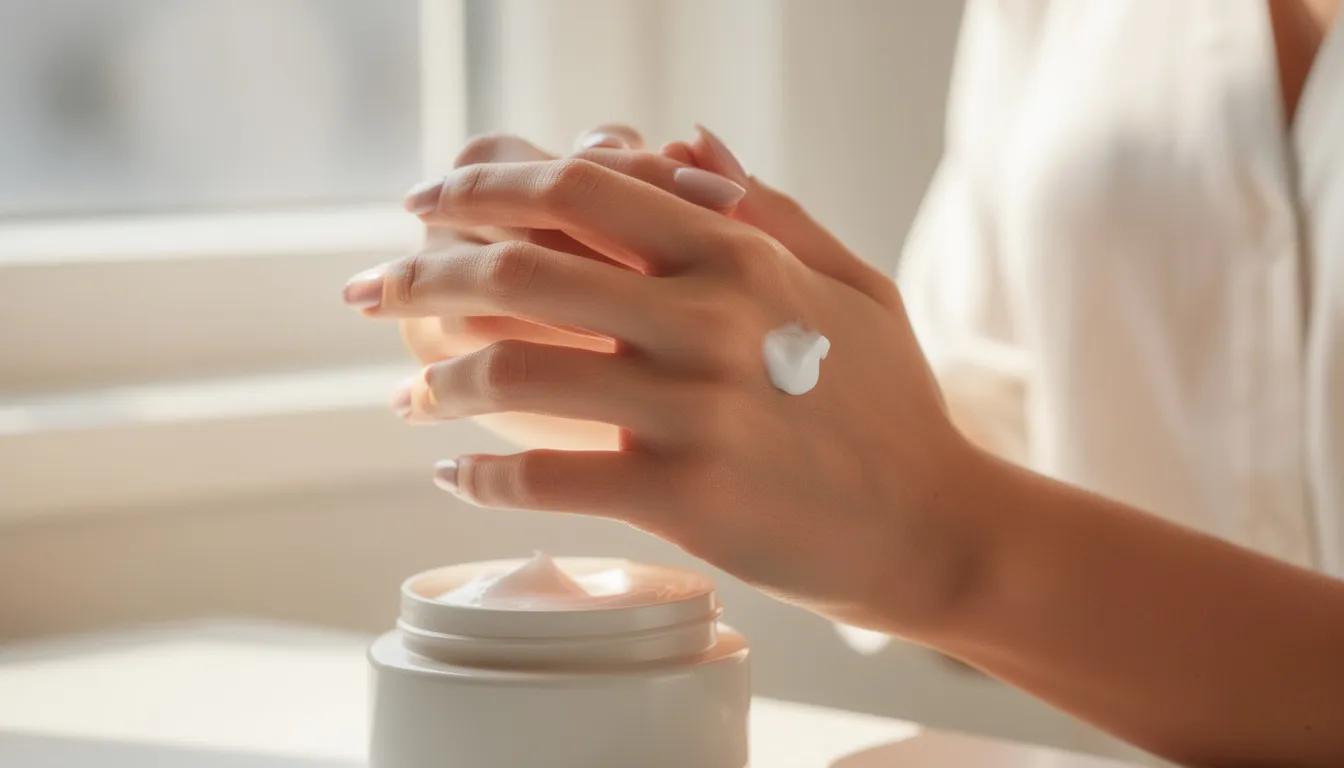
Warm a small amount between your palms before applying. This melts the tallow and ensures even distribution.
-
Press gently into damp skin after cleansing—the moisture helps tallow spread smoothly and absorb effectively.
-
For facial skin, use upward motions; for body skin, use long strokes toward the heart.
How Much to Use
-
Less is more, especially on facial skin. Start with an amount the size of a small pea for your entire face.
-
Body skin tolerates more generous application. You’ll quickly learn your own requirements. If tallow sits heavily on skin without absorbing, you’ve used too much.
Layering with Other Products
-
Tallow works beautifully alone but can integrate into existing skincare routines. Apply it as your final step to seal in previous products.
-
It pairs well with raw honey masks or rose oil for added scent and benefits. Avoid layering over products with harsh chemicals that might conflict with tallow’s simple composition.
Storage and Longevity
-
Store tallow in a cool, dark place. Quality tallow needs no refrigeration but benefits from consistent temperature.
-
A well-rendered tallow balm or tallow moisturizer lasts six months to a year. If you use it regularly, sourcing bulk beef tallow for skincare can be a practical way to keep high-quality fat on hand.
-
Signs of rancidity include off-putting odor and changed color—discard any tallow showing these signs.
Creating Your Routine
-
A simple tallow-based routine might include cleansing with gentle soap, possibly one containing tallow itself, followed by tallow application.
-
For added scents, essential oils can be mixed in—lavender for evening calm, rosemary for morning invigoration.
-
Lip balm containing tallow protects delicate lip tissue.
-
Build gradually, noticing what your skin actually needs rather than following complicated protocols.
Limitations and Alternatives
While beef tallow has a long history of traditional use, there is limited scientific evidence to support its effectiveness compared to modern, regulated skincare alternatives. Many beef tallow products lack FDA regulation, which raises concerns about sourcing and purity. Additionally, many tallow products are made by small brands or individuals and may not undergo microbial testing, stability testing, or dermatologist review.
Modern skincare products often deliver similar moisture-sealing benefits as beef tallow, but with added skin-supporting ingredients and more rigorous safety testing. For those seeking alternatives, plant-based oils like jojoba, squalane, and sunflower seed oil provide similar fatty acids to those found in beef tallow, with a lower risk of clogging pores.
Embracing Simple, Intentional Skincare
The question of whether beef tallow is good for skin ultimately invites a deeper consideration: what does your skin actually need?
Tallow for skin represents more than an ingredient choice. It’s a return to simplicity in an industry built on complexity. It’s trusting that rendered fat from well-raised animals, used for generations, might serve your skin better than laboratories full of synthesized alternatives.
Transitioning to traditional methods requires patience. Your skin has adjusted to whatever you’ve been using, for better or worse. Give it time to remember what natural care feels like. Release the habit of applying multiple skincare products and instead observe how your skin responds to fewer, better ingredients.
There’s unexpected value in slowing down your skincare routine. Taking a moment to warm tallow between your palms, to apply it mindfully, transforms a mundane task into a small ritual. In that quiet moment, you connect with all the women who’ve done something similar—tending to their skin with what the land provided.
Your skin carries its own wisdom. It evolved over millennia to protect you, to heal itself, to maintain balance. Sometimes the most advanced thing we can do is step back and support these natural processes rather than attempting to control them.
The invitation stands: try this ancient approach for yourself. Notice how your skin responds to something it recognizes. Discover whether this simple, traditional practice belongs in your life.
Beef tallow is good for skin—not because influencers say so, not because it’s trending, but because it works. It has always worked. Some things deserve to be rediscovered.