


Good Eye Makeup Remover: The Best Options for Clean, Comfortable Eyes in 2026
Finding a good eye makeup remover has never been more critical. Modern mascara, liner, and shadow formulas are engineered for all-day performance, which means they’re also engineered to resist simple soap and water. A dedicated eye makeup remover dissolves these products efficiently while protecting the thinnest, most reactive skin on your face.
The stakes are real. Leftover pigment from waterproof mascara can cause lash brittleness and breakage. Residue trapped near follicles contributes to milia—those stubborn white bumps that take months to clear. Incomplete removal of waterproof eyeliner creates a breeding ground for bacteria, raising your risk of blepharitis and chronic irritation. A good eye makeup remover should dissolve stubborn makeup fast, require minimal rubbing, and leave lids comfortable—not tight, greasy, or burning.
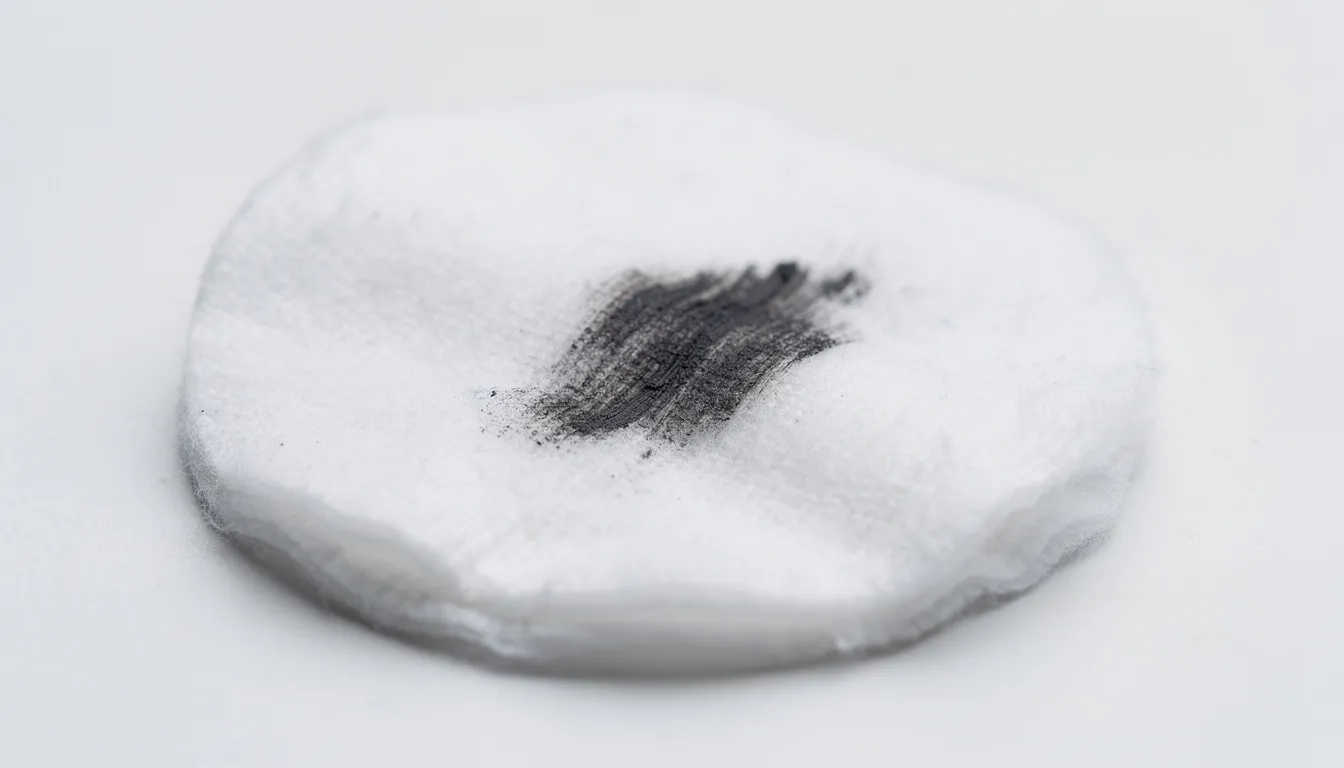
Quick Answer: The Best Eye Makeup Removers Right Now
For readers who want immediate answers, here are the top performers worth considering in 2026.
Lancôme Bi-Facil Double-Action Eye Makeup Remover stands as the best classic bi phase remover for waterproof mascara and gel liner. The Lancôme eye makeup remover remains the benchmark after decades because its bi facil double action formula genuinely works on stubborn eye makeup without requiring harsh scrubbing.
Bioderma Sensibio H2O Micellar Water is the best gentle micellar for sensitive eyes and lighter eye looks—ideal for daily wear that doesn’t involve heavy waterproof formulas.
Neutrogena Oil-Free Eye Makeup Remover delivers as the top budget pick for everyday waterproof eyeliner and mascara removal at drugstore prices.
Farmacy Green Clean Makeup Removing Cleansing Balm is the best cleansing balm for full-face removal that’s safe around eyes, melting everything from foundation to stubborn mascara.
Garnier Micellar Cleansing Water All-in-1 (pink cap) works as the best drugstore micellar water for multi-tasking face and eye makeup in one step. The Garnier micellar water formula suits combination and sensitive skin types.
Klorane Waterproof Eye Makeup Remover with Organic Cornflower excels for very sensitive eyes and those prone to irritated skin or allergic reactions.
CeraVe Hydrating Makeup Removing Plant-Based Wipes are the best travel-friendly makeup remover wipes when you can’t fully cleanse—gym bags, flights, and late nights.
Paula’s Choice Omega+ Complex Cleansing Balm is best for dry or mature skin needing extra nourishment during makeup removal, with omega-rich oils that support the skin barrier.
For contact lens wearers, prioritize the Bioderma Sensibio, Klorane, or Neutrogena options—all have ophthalmologist tested formula credentials and work well for those who wear contacts. For lash extensions, stick with oil free formulas like the Bioderma or Neutrogena to avoid weakening adhesive bonds.
What to Look for in a Good Eye Makeup Remover
The periorbital skin surrounding your eyes measures approximately 0.5mm thick—compared to roughly 2mm on other facial areas. This makes the eye zone significantly more vulnerable to barrier damage from harsh ingredients, friction, or residue. Choosing the right formula isn’t about brand loyalty; it’s about understanding what your specific eyes need.
Efficacy matters first. Your remover must handle waterproof mascara containing 20-40% waxes like beeswax or carnauba, long wear makeup with gel liner that sets in place, and modern eye shadow formulas designed to last through humidity and oil. If you’re making multiple harsh passes to remove makeup, you’re causing more damage than the makeup itself.
Gentleness comes next. Look for products labeled fragrance free or with minimal added fragrance—essential oils and strong florals can trigger reactions in sensitive eyes. Avoid formulas with high concentrations of drying alcohols, which strip the already-thin eye area. An ophthalmologist tested formula indicates the product has been evaluated for eye safety, though this doesn’t guarantee it will work for everyone.
Texture determines how the remover interacts with your makeup and skin. Bi phase liquids combine oil and water phases that you shake before use—the oil phase dissolves waxy mascaras while the water phase lifts water-based pigments. Micellar water uses surfactant molecules that form spherical micelles to encapsulate dirt and oil without requiring rinse-off. Cleansing oils and balms rely on lipid solubility to melt stubborn makeup but need proper emulsification to rinse clean. Gels and lotions offer cushion and often contain humectants like glycerin or hyaluronic acid to hydrate skin during removal.
For oily or acne prone skin, oil free liquids and micellar waters like Neutrogena Oil-Free or Bioderma Sensibio prevent excess oil and won’t clog pores.
For dry skin or mature skin, richer balms and lotions with glycerin, squalane, omega oils, or ceramides provide cushion and moisture during removal. Paula’s Choice Omega+ balm or the Lancôme bi facil double formula work well here.
For sensitive eyes or those who wear contacts, ultra-gentle formulas based on cornflower water, aloe, or minimal surfactants are essential. Klorane and Garnier Micellar (pink cap) maintain pH close to natural tears, reducing irritation risk. La Roche Posay also offers gentle options specifically formulated for reactive skin.
Recommend looking for labels stating “ophthalmologist-tested,” “suitable for contact lens wearers,” and “non-comedogenic.”
Types of Eye Makeup Removers (And Who They’re Best For)
Eye makeup remover formulas fall into four main categories: micellar waters, bi-phase liquids, balms and cleansing oils, and wipes. Each serves different needs, skin types, and makeup intensities.
Micellar Waters
Micellar technology uses surfactant molecules that form spherical structures called micelles. These act like magnets, attracting and encapsulating pigment, oil, and debris so you can lift makeup away without aggressive rubbing. Most micellar formulas require no rinsing, though some users prefer to follow with water for comfort.
Best for: Light to moderate eye looks, sensitive skin, combination skin, and acne prone skin that doesn’t tolerate oil-based formulas.
Concrete examples: Bioderma Sensibio H2O maintains skin pH at approximately 5.5 (compared to alkaline soaps at 9-10), reducing irritation by up to 50% in sensitive skin panels. Garnier Micellar Cleansing Water All-in-1 (pink cap) offers similar performance at a lower price point and handles face makeup alongside eye makeup efficiently.
Bi-Phase (Oil + Water) Removers
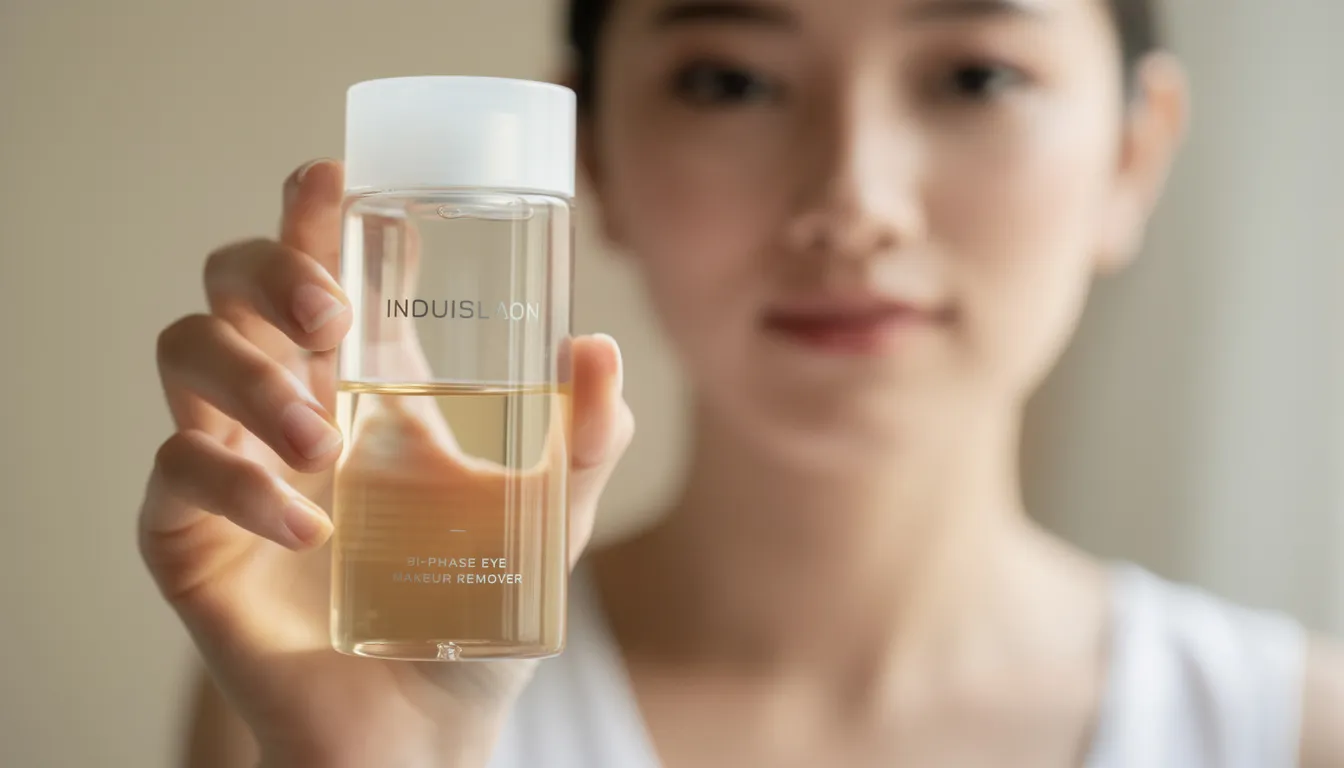
The action eye makeup remover category includes these dual-layer formulas. Shaking combines immiscible oil and water phases into a temporary emulsion. The oil phase dissolves non-polar pigments in waterproof mascara and stubborn makeup while the water phase lifts water-soluble residue.
Best for: Daily waterproof mascara wearers, gel liner users, and anyone with long wear makeup that standard cleansers can’t budge.
Examples: Lancôme Bi-Facil remains the gold standard—the double action eye makeup formula dissolves even the most stubborn mascara with a saturated cotton pad and brief hold time. Neutrogena Oil-Free Eye Makeup Remover delivers comparable performance at a fraction of the price. Klorane Waterproof Eye Makeup Remover with Organic Cornflower adds soothing botanical benefits for easily irritated eyes.
Balms and Cleansing Oils
These start as sorbet or silky oil textures, warming into rich emollients on contact. Apply to dry skin, massage to dissolve makeup, then add water to emulsify the oils into a milky rinse-off texture. Balms excel for those practicing double cleansing—using an oil cleanser first to remove makeup, followed by a water-based cleanser for residual debris.
Best for: Full-face makeup wearers who want one product safe around eyes, those with dry skin credit who benefit from the emollient texture, and anyone tackling heavy looks including water resistant sunscreen.
Examples: Farmacy Green Clean removes everything from foundation to waterproof eye makeup without leaving oily residue when properly emulsified. Paula’s Choice Omega+ Complex Cleansing Balm adds sunflower seed oil and omega fatty acids for nourishment, ideal for dry or mature skin. Banila Co Clean It Zero has earned a cult following for its efficient dissolution of stubborn makeup.
Wipes and Pre-Soaked Pads
Makeup wipes and makeup remover wipes offer undeniable convenience but require caution. The friction needed to remove makeup with wipes can stress delicate eye skin, potentially accelerating lash loss and causing micro-tears in the thin periorbital area. Average natural lash shedding runs about 100 lashes per month—aggressive rubbing increases this significantly.
Best as: Backup for travel, late nights when full cleansing isn’t possible, or gym bags. Not ideal as your primary nightly method.
Examples: CeraVe Hydrating Makeup Removing Plant-Based Wipes include ceramides and hyaluronic acid to offset some of the stripping effects. Garnier Micellar Eye Makeup Remover Pads come pre-saturated for more controlled application than standard wipes.
The Best Eye Makeup Removers by Need
Different situations demand different tools. This section organizes the top performers by specific concerns and goals.
Best Overall Daily Remover
Lancôme Bi-Facil Double-Action Eye Makeup Remover holds the benchmark position for waterproof removal in 2026. The bi facil double action eye formula combines the like-dissolves-like chemistry principle with incredibly gentle surfactants, dissolving tubing mascara and gel liner without the friction that damages lashes. The celebrity makeup artist community consistently reaches for this one because it removes stubborn makeup completely while keeping skin feeling balanced—no greasy residue, no tightness.
Best Drugstore / Budget Options
Neutrogena Oil-Free Eye Makeup Remover consistently earns top marks as the best eye makeup remover at drugstore prices. Available at U.S. drugstores, big-box retailers, and Amazon for under $10, it handles waterproof mascara and waterproof eyeliner effectively without leaving eyes greasy or irritated.
Garnier Micellar Cleansing Water All-in-1 (pink cap) doubles as both face and eye makeup remover for under $15. For those who want one product on the bathroom counter, this delivers solid performance on moderate to heavy eye looks.
Best for Sensitive Eyes and Contact Lens Wearers
Bioderma Sensibio H2O formulates specifically for reactive skin. Its pH sits close to natural tears, minimizing the stinging that other makeup removers cause. Perfect for those who wear contacts and need to remove eye makeup without residue that migrates into lenses.
Klorane Waterproof Eye Makeup Remover with Organic Cornflower contains cornflower water and soothing botanicals historically used to calm irritated skin around eyes. For anyone with a history of allergic reactions or chronic sensitivity, this offers a gentler pathway.
The Garnier Micellar (pink cap) also serves contact lens wearers well with its fragrance free formula and rinse-optional convenience.
Best for Dry or Mature Skin
Paula’s Choice Omega+ Complex Cleansing Balm transforms on contact into a rich formula loaded with omega fatty acids, vitamin E, and plant oils. For dry skin or mature skin that can’t tolerate stripping formulas, this provides the perfect eye makeup remover experience—effective dissolution without the parched aftermath.
Estée Lauder Take It Away Liquid Makeup Remover Lotion offers another excellent option with its cushioning, milky texture that protects dry skin credit during removal.
Best for Heavy and Waterproof Looks
When you’re dealing with multiple coats of waterproof mascara, glitter shadow, and long wear liquid liner, single-product approaches sometimes fail. Lancôme Bi-Facil handles most stubborn eye makeup in one pass. For the most extreme looks, layer your approach: start with Farmacy Green Clean balm to melt everything, then follow with a micellar water to catch remaining traces.
Clinique Take the Day Off liquids also excel at heavy waterproof makeup without leaving skin feeling tight or stripped.
Best for Travel and On-the-Go
CeraVe Hydrating Makeup Removing Wipes come in TSA-friendly packaging and include barrier-supporting ceramides that offset some of the friction irritation wipes typically cause. For overnight trips, gym bags, or red-eye flights, they deliver acceptable makeup removal when proper cleansing isn’t possible.
Garnier Micellar Eye Makeup Remover Pads offer pre-soaked convenience in leak-proof packaging—no liquid bottles to worry about.
How to Use Eye Makeup Remover the Right Way
Technique determines outcomes just as much as formula. Poor application damages lashes, causes premature fine lines around eyes, and leaves residue that triggers milia. Master the method and your good eye makeup remover performs exponentially better.
Basic Removal Steps:
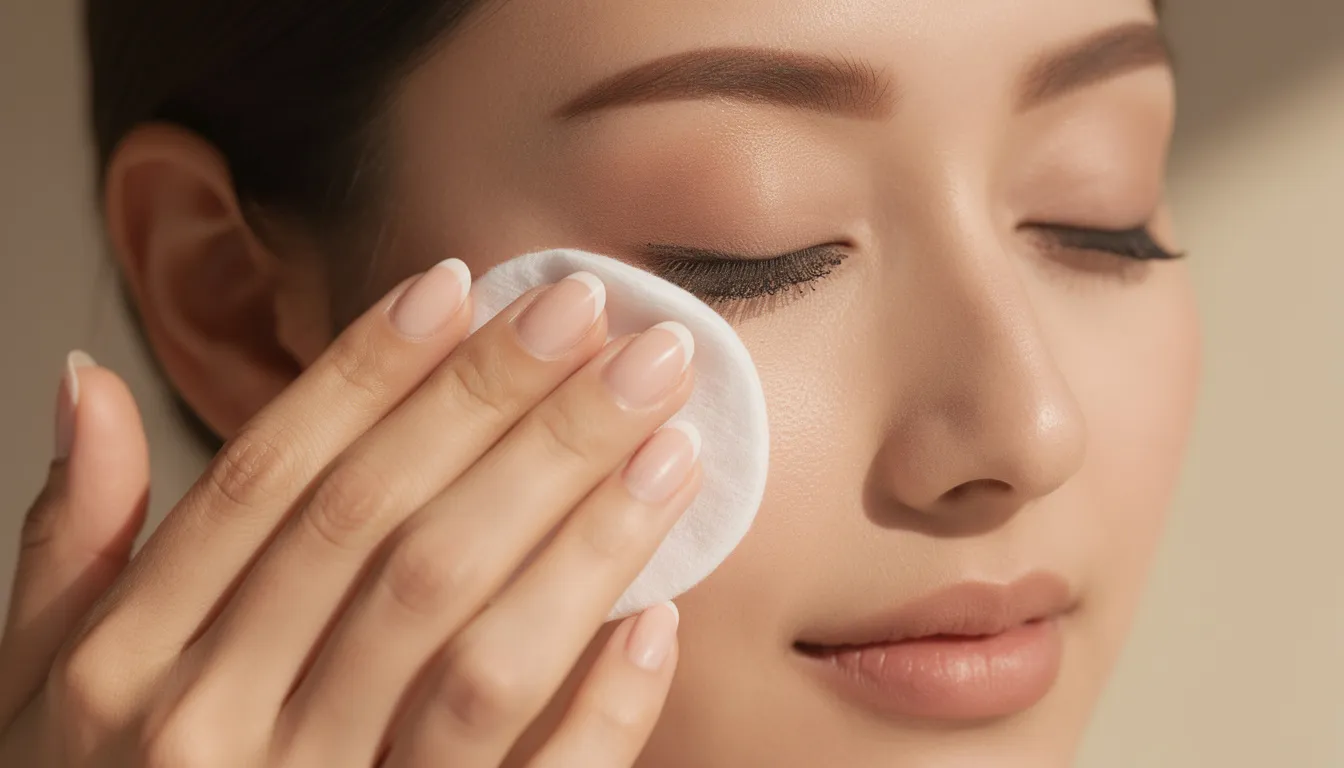
Saturate a cotton pad or reusable cotton round thoroughly with your remover. Dry swiping creates friction that breaks lashes and irritates skin.
Place the saturated pad on your closed eyelid and hold for 10-20 seconds. This dwell time allows the remover to break down pigment bonds—rushing this step forces you to rub harder.
Gently swipe downward along the lash line with just the right amount of pressure. The makeup should release easily if you’ve given the remover adequate contact time.
Fold the pad to a clean section and repeat as needed until no pigment transfers.
Avoid tugging the outer corners of your eyes. This delicate area shows aging fastest, and repeated pulling accelerates laxity and fine lines.
Formula-Specific Guidance:
For micellar water, the debate between leave-on versus rinse-off comes down to personal comfort. Bioderma Sensibio can safely remain on skin, but some users prefer rinsing to eliminate any film. Both approaches work—choose based on your skin feeling afterward.
For balms and cleansing oils, apply to dry hands and massage over closed eyes in circular motions. The silky oil texture will dissolve makeup on contact. Add a splash of water to emulsify the oil phase into a milky consistency, then rinse thoroughly. Skipping proper emulsification leaves oily residue that can clog pores.
For bi phase formulas, shake vigorously before each use. The oil and water layers must combine to work effectively—if you skip shaking, you’re applying only one phase and losing half the formula’s power.
Tips for Tricky Makeup:
Glitter particles and heavy mascara may need targeted work. Dip a cotton swab in remover and use a gentle rolling motion along the lash line to lift particles from between lashes. A beauty writer tip: for stubborn glitter, press a small piece of gentle tape against the area after initial removal to catch remaining particles.
Free eye makeup from lower lashes by pressing a folded, saturated pad against the underside of lashes and rolling upward—this prevents smearing pigment onto under-eye skin.
Frequency and Timing:
Nightly, thorough removal supports eye health and lash retention. Every night you sleep in waterproof mascara, you’re weakening lash fibers and creating conditions for bacterial growth. Make removal non-negotiable.
Eye Safety, Ingredients, and Common Mistakes to Avoid
Eyes are vulnerable organs. The consequences of poor remover choices range from temporary stinging to chronic conditions like blepharitis. Understanding ingredients and avoiding common errors protects both comfort and long-term eye health.
Key Ingredients to Seek:
Gentle surfactants like polyglyceryl-4 caprate reduce surface tension to enable emulsion formation without harsh stripping. Glycerin (typically 5-10% concentration) and hyaluronic acid prevent transepidermal water loss during cleansing—some studies show hyaluronic acid can boost hydration by 20%. Niacinamide calms reactive skin. Cornflower water provides traditional soothing benefits backed by generations of use.
For balms and lotions, look for skin barrier supporters: ceramides rebuild protective layers, squalane mimics natural skin lipids, and omega-rich oils from sources like sunflower seed oil or jojoba oil provide emollience without congestion. Almond oil has been used for eye makeup removal since ancient Egypt.
Panthenol aids barrier repair and appears in well-formulated options like ACO’s micellar cleanser.
Ingredients to Approach Cautiously:
Added fragrance and essential oils—particularly citrus and strong florals—can trigger reactions in sensitive eyes. This doesn’t mean they’re universally harmful, but if you experience stinging or redness, fragrance is often the culprit.
High levels of drying alcohols stress already-thin periorbital skin. Some formulas use small amounts of fatty alcohols (like cetyl alcohol) that don’t dry skin—these are different from denatured alcohol, which can strip.
Heavy occlusives may contribute to milia in prone individuals. Witch hazel, while an effective astringent with tannins that tighten pores, can be drying if overused.
Common Mistakes:
Rubbing aggressively instead of soaking and pressing wastes effort and damages skin. The remover does the work if you give it contact time.
Using facial scrubs, harsh foaming cleansers, or undiluted soap on the eye area destroys barrier function. Other makeup removers designed for face makeup may be too aggressive for eyes.
Sleeping in waterproof mascara leads to brittleness and accelerated lash breakage. The waxes in waterproof formulas don’t soften overnight—they harden, making morning removal even more damaging.
Using expired removers or contaminated bottles introduces bacteria to eyes. Replace products every 6-12 months, and never touch bottle openings directly to dirty cotton pads.
What to Do If Remover Gets in Your Eye:
Immediately flush with sterile eyewash or clean, lukewarm running water for several minutes. Tilt your head so water flows away from the unaffected eye. If redness or discomfort persists, apply a cool compress for 10-15 minutes. If burning continues beyond a few hours or vision seems affected, see an eye doctor promptly.
Building an Effective Nighttime Routine With Eye Makeup Remover
Eye makeup removal connects directly to your broader PM skin care routine. In 2026, the double cleansing method remains the gold standard—using an oil-based first cleanser followed by a water-based second cleanser. For eye makeup wearers, the sequence starts at the eyes.
The Double Cleansing Approach:
Start with your eye makeup remover—micellar water, bi phase formula, or cleansing balm—to dissolve mascara, liner, and eye shadow completely. This targeted first step prevents smearing pigment across the rest of your face during cleansing.
Follow with a gentle water-based cleanser to remove makeup remover residue along with any remaining debris. Opt for creamy gels or low-foam formulas that won’t strip the skin barrier. This second cleanse prepares skin for treatment products without leaving film.
Integration With Treatments:
Ensuring no oily residue remains before applying eye creams with retinol, peptides, or caffeine maximizes absorption. Residue can create a barrier that blocks active ingredients from penetrating.
Cleaner lids reduce the risk of clogged follicles, which supports the effectiveness of lash serums. If you’re investing in lash growth products, thorough removal is non-negotiable.
Frequency and Minimalism:
Nightly removal is recommended for regular mascara wearers. At minimum, remove makeup whenever eye makeup is worn—skipping even occasional nights compounds damage over time.
Avoid over-layering products around the eye area. Heavy serums, multiple creams, and occlusive balms stacked together can cause congestion and milia. Keep the eye zone streamlined: remove makeup, apply one targeted treatment if desired, hydrate skin with a light eye cream.
Sample Nighttime Sequence:
Apply bi-phase remover to saturated cotton pad, hold on closed eye, swipe gently
Cleanse full face with gentle water-based cleanser
Apply treatment products to face (acids, retinol, serums)
Apply eye-specific treatment if using
Moisturize face, then eye area
The payoff compounds over time: clearer lids, stronger lashes, reduced irritation, and smoother periorbital skin that responds better to anti-aging treatments.
Frequently Asked Questions About Eye Makeup Removers
These are the most common questions asked in 2024-2026 about finding and using the perfect eye makeup remover.
Do I really need a separate eye makeup remover?
If you wear mascara, liquid liner, or waterproof formulas regularly, a dedicated or eye-safe remover is strongly recommended. Standard face washes lack the lipid-dissolving power to break down waxes in waterproof mascara (which can contain 20-40% waxes). Attempting removal with regular cleanser requires aggressive rubbing that damages lashes and strains delicate eye skin. A specifically formulated eye remover does the work chemistry should do—so you don’t have to.
Are micellar waters enough for heavy or waterproof eye makeup?
For light to moderate looks, micellar water handles removal efficiently. For stubborn mascara, waterproof eye makeup, or layered long-wear formulas, bi-phase removers or balms work more effectively and actually require less friction. The oil phase in bi-phase formulas dissolves waxy pigments that micelles struggle to encapsulate. If you regularly wear heavy eye makeup, keep a bi-phase option on hand even if micellar works for daily lighter looks.
Can oil-based removers cause milia or breakouts?
Well-formulated cleansing oils and balms typically rinse clean and don’t cause milia when used correctly. Issues usually stem from leaving residue (skipping the emulsification step or not rinsing thoroughly), using comedogenic leave-on products afterward, or having skin that doesn’t tolerate specific oils. If you’re prone to milia, ensure complete removal by emulsifying balms with water and following with a gentle second cleanser. Most skin care experts agree that rinse-off oil cleansers don’t clog pores—it’s what stays on skin that matters.
Is it safe to use eye makeup remover with lash extensions?
Advise using oil-free, lash-safe formulas. Oil-based removers and balms can weaken lash extension adhesive, causing premature shedding. Certain micellar waters (like Bioderma Sensibio) and liquid removers (like Neutrogena Oil-Free) work safely around extensions. Apply with a spoolie or clean mascara wand, working product through lashes in a downward motion rather than rubbing. Your lash technician can recommend specific products compatible with your adhesive.
How long should one bottle of eye makeup remover last?
For a standard 125-200 ml bottle used nightly, expect 2-3 months of use depending on how saturated you prefer your cotton pads. Waterproof makeup users typically use more product per removal session. Replace products every 6-12 months regardless of remaining volume—preservatives lose effectiveness over time, especially in water-based micellar formulas. If your remover starts smelling off or separating strangely, discard it immediately.
Finding a good eye makeup remover isn’t complicated when you match formula type to your specific needs. Waterproof makeup demands bi-phase or balm textures. Sensitive eyes require gentle micellar or cornflower-based options. Dry or mature skin benefits from omega-rich cleansing balms that hydrate skin while they cleanse.
The technique matters as much as the product. Saturate your pad. Hold. Let chemistry work. Swipe gently.
Your lashes and lids will show the difference within weeks. Choose your remover. Use it correctly tonight. Build the habit.
