
There’s something deeply satisfying about crafting your own tallow balm—a simple ritual that connects you to generations of women who understood what skin truly needs. This guide walks you through every step, from sourcing quality beef tallow to creating a silky, nourishing balm that rivals anything you’ll find on store shelves.
What is Tallow and Why Use It for Skincare
Tallow is rendered beef fat, traditionally made from suet—the hard fat surrounding the kidneys and loins of cattle. For centuries, our grandmothers and their grandmothers before them relied on this humble ingredient to protect and heal their skin through harsh winters, demanding labor, and the simple passage of time.
What makes grass fed tallow remarkable for skin care is its uncanny similarity to our own sebum. The fatty acids in tallow mirror the composition of human skin—roughly 50% saturated fats and 40% monounsaturated oleic acid. This biocompatibility means tallow doesn’t just sit on top of your skin; it absorbs deeply, delivering fat soluble vitamins A, D, E, and K2 directly where they’re needed most.
Compare this to modern synthetic moisturizers loaded with petroleum derivatives and laboratory-created compounds. While they may feel smooth going on, many create a barrier that prevents your skin from breathing naturally. Tallow works with your skin barrier support system, not against it.
I understand the hesitation some feel about applying animal fat to their face. We’ve been conditioned to believe that anything natural must be inferior to scientific formulations. But consider this: rendered tallow has been used for skin health across every culture that raised cattle, long before marketing departments convinced us we needed seventeen-step skincare routines.
Essential Ingredients for Tallow Balm Recipe
A beautiful tallow balm recipe requires just two core ingredients: quality rendered tallow and a carrier oil of your choosing. That’s it. The simplicity itself speaks to the wisdom of traditional methods.
For your liquid oil component, several options work beautifully:
Jojoba oil mimics sebum and absorbs quickly without greasy residue
Extra virgin olive oil brings its own vitamins and antioxidants
Rosehip seed oil supports even skin tone and contains essential fatty acids
Avocado oil penetrates deeply for intense moisture
Castor oil adds richness and helps other ingredients absorb
Some crafters incorporate coconut oil for its antimicrobial properties, though be mindful it can be comedogenic for certain skin types. Sunflower oil offers a lighter alternative for those with sensitive skin.
Optional additions elevate your homemade tallow balm:
Beeswax creates a more solid consistency, perfect for lip balm or protective barriers
Shea butter adds creaminess and additional moisture
Essential oils provide scent and therapeutic benefits
Botanical infusions like calendula or chamomile soothe irritated skin
For a basic tallow cream, I recommend starting with a 4:1 ratio—four parts tallow to one part carrier oil. This yields a balm that’s solid at room temperature but melts beautifully upon contact with warm skin. Adjust from there: more oil for softer consistency, add beeswax for firmer body butter textures.
How to Source Quality Tallow
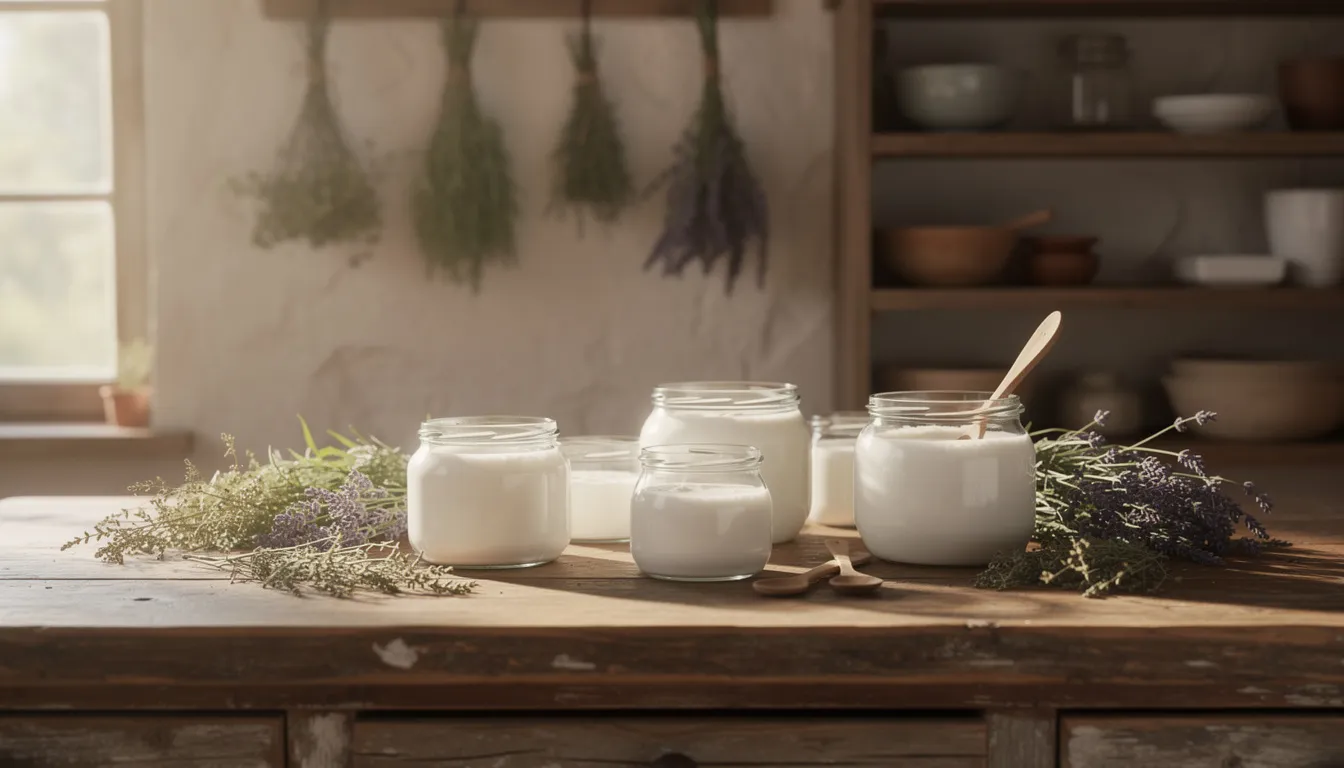
The foundation of exceptional DIY tallow balm is exceptional tallow. Seek out grass fed beef tallow from local farms practicing regenerative agriculture—farmers who raise their cattle on pasture, the way nature intended.
Grass fed tallow contains significantly higher levels of conjugated linoleic acid (CLA)—up to two to three times more than grain-fed sources. It also delivers more fat soluble vitamins and carries a cleaner, more neutral scent. The animals’ diet directly affects what ends up nourishing your skin.
To find quality sources:
Visit farmers’ markets and ask ranchers directly
Contact local butchers who process grass finished cattle
Reach out to small meat processors in your region
Search online suppliers specializing in organic grass fed tallow
When evaluating rendered tallow, look for pale ivory to light golden color. Darker tallow suggests impurities or over-rendering. The scent should be subtle, almost neutral—not strongly beefy. Quality grass fed beef tallow carries a clean, mild aroma that disappears quickly once applied.
If you’re feeling adventurous, deer tallow and venison tallow from wild game offer similar benefits, though sourcing requires knowing hunters or processors in your area.
Step-by-Step Tallow Balm Recipe
Gather your equipment before beginning: a double boiler or heat-safe bowl over simmering water, glass measuring cups, a kitchen scale for precision, clean storage containers, and a hand mixer if making whipped tallow balm.
To melt the tallow safely, never apply direct heat. A double boiler protects against scorching, which creates dark, bitter tallow with degraded nutrients. Low heat is your friend throughout this process—patience yields the silkiest results.
Temperature matters more than you might expect. Keep your melted tallow between 100-120°F when combining with other natural oils. Too hot, and you’ll degrade the delicate compounds in additions like rosehip oil. Too cool, and ingredients won’t blend smoothly.
Basic Tallow Balm Method
For a straightforward skin balm:
Ingredients:
1 cup rendered tallow (approximately 200g)
¼ cup jojoba oil or olive oil
Instructions:
Place tallow in your double boiler over low heat
Allow to melt completely—this takes 10-15 minutes
Remove from heat and let cool slightly for 2-3 minutes
Add your carrier oil and stir gently in one direction
Continue stirring until thoroughly combined
Pour into clean, dry containers immediately
Leave uncovered at room temperature until completely solid
Cap tightly and store
The mixture sets within a few hours, faster if refrigerated. What emerges is a smooth, creamy tallow balm ready for your skincare routine.
Whipped Tallow Balm Variation
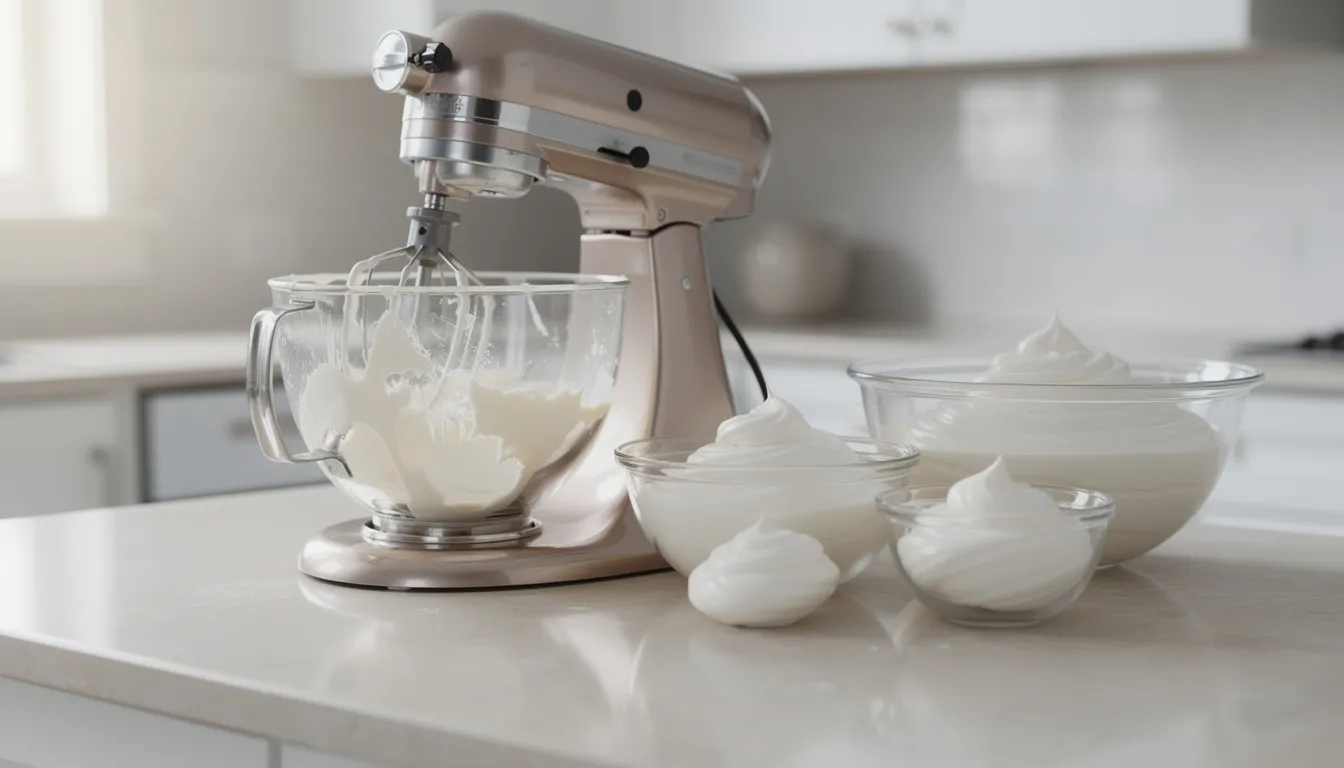
Whipped tallow balm offers a lighter, more luxurious texture—think fluffy texture similar to whipped cream but substantially more nourishing. This DIY whipped tallow balm method requires a bit more patience but delivers stunning results.
Ingredients:
1 cup rendered tallow
¼ cup jojoba oil or preferred carrier oil
Optional: 1 tablespoon rosehip oil for added benefits
Instructions:
Melt tallow using the double boiler method
Add liquid oils and stir to combine
Transfer to a mixing bowl and refrigerate for 30-45 minutes
Check consistency—you want it opaque and soft tallow, not fully solid
Using a hand mixer, whip on medium speed for 3-5 minutes
The mixture will transform into a light, airy whipped body butter
Scrape down sides and whip another minute
Transfer to containers before it sets further
This whipped tallow recipe creates something truly special—a body butter that spreads effortlessly without greasy residue. Your skin drinks it in.
Customizing Your Tallow Recipe
Once you’ve mastered basic tallow balm, the possibilities for customization become wonderfully endless.
To add essential oils, wait until your melted tallow has cooled to around 100°F—warm enough to blend but cool enough to preserve the volatile compounds that make essential oils effective. For adults, use 1-2% dilution: roughly 10-20 drops per cup of finished balm. For children or those with delicate skin, halve that amount.
Favorite essential oils for tallow balm include:
Lavender for calming and skin repair
Frankincense for mature skin support
Tea tree for blemish-prone skin
Rose geranium for hormone balance and lovely scent
Chamomile for sensitive skin soothing
For an unscented tallow balm, simply omit essential oils entirely. Many people prefer plain tallow for facial use, allowing the natural ingredients to work without fragrance.
Herbal-infused tallow skincare adds another dimension. Infuse your carrier oil with dried calendula, plantain, or chamomile before making your balm. Cover herbs with oil, warm gently for several hours, strain, and use this enriched oil in your whipped tallow balm recipe.
Texture modifications come easily. Add 1-2 tablespoons beeswax for firmer consistency—essential for lip balm. Incorporate shea butter at a 1:1 ratio with carrier oils for extra creaminess. Some crafters include a touch of aloe vera gel for lighter body lotions, though this requires additional preservation considerations.
Proper Storage and Shelf Life
Your homemade tallow balm deserves proper care to maintain its integrity.
Store in glass containers with tight-fitting lids—amber or cobalt glass protects against light degradation. Small tins work beautifully for portable balms, while wide-mouth jars make daily scooping easy.
Keep finished balm at room temperature in a cool, dark place. Bathroom storage works if your space doesn’t become excessively warm or humid. Refrigeration extends shelf life significantly but creates firmer texture requiring slight warming before application.
Properly rendered and stored tallow balm lasts 9-12 months at room temperature, longer refrigerated. Signs of spoilage include off odors, color changes, or mold growth. Trust your senses—if something seems wrong, it likely is.
To extend freshness:
Ensure all equipment and containers are completely dry before use
Use clean hands or a small spatula for scooping
Keep lids secured when not in use
Avoid introducing water or moisture into the product
How to Use Tallow Balm
Tallow balm works beautifully integrated into your daily skincare routine. A little goes remarkably far.
For facial tallow application, warm a pea-sized amount between your fingertips until it liquefies. Press gently into clean, slightly damp skin—the moisture helps tallow absorb more deeply. Work in upward motions, paying attention to dry areas around eyes, lips, and nose.
For body use, apply to warm, damp skin after bathing. The tallow melts on contact, spreading easily without tugging. Focus on elbows, knees, heels, and hands—areas that need extra attention.
Tallow balm excels for specific concerns:
Dry skin responds beautifully to nightly application
Eczema patches find relief from tallow’s anti-inflammatory properties
Minor cuts and scrapes heal faster with protective tallow barriers
Cracked heels soften with generous application under cotton socks
For babies and even sensitive skin, choose an unscented tallow balm or one scented only with gentle lavender or chamomile. Tallow’s biocompatibility makes it remarkably suitable for delicate skin, though always patch test first.
Frequency depends on your skin’s needs. Some use tallow cream morning and night; others find nighttime application sufficient. Listen to what your skin tells you.
Troubleshooting Common Tallow Recipe Issues
Even experienced crafters encounter challenges, and exploring recent tallow skincare insights can help refine your process. Here’s how to address common problems:
Grittiness or separation usually results from cooling too quickly or temperature fluctuations during setting. Prevent this by allowing balm to cool gradually at room temperature. If separation occurs, gently remelt and stir continuously while cooling slowly.
Too hard consistency means you need more liquid oil. Remelt your balm and add carrier oil one tablespoon at a time until desired texture emerges. Too soft tallow indicates the opposite—reduce oil ratio in your next batch or add a small amount of beeswax.
Strong tallow smell often indicates conventional rather than grass fed sourcing, or over-rendering during the initial tallow making. Higher-quality organic grass fed tallow carries minimal beefy smell. You can mask odor with other essential oils, though better tallow makes better balm.
Crystallization problems happen when tallow cools too rapidly. The solution: slow, steady temperature reduction. For whipped tallow, ensure the base is properly cooled but not cold before whipping—you want soft tallow, not firm.
Frequently Asked Questions
Is tallow balm suitable for all skin types?
Remarkably, yes. The fatty acids in tallow closely match human sebum, making it compatible with oily, dry, combination, and sensitive skin alike. Those with very oily skin may prefer using tallow balm only at night or mixed with lighter plant oils like jojoba.
Can you use tallow balm on your face?
Absolutely. Tallow has been used on faces for centuries. Its biocompatibility means it absorbs without clogging pores for most people. Start with small amounts and observe how your skin responds. Many find it superior to commercial facial moisturizers.
How does tallow balm compare to commercial moisturizers?
Commercial moisturizers often rely on petroleum derivatives, synthetic emulsifiers, and preservatives to achieve texture and shelf life. Tallow balm delivers fat soluble vitamins, conjugated linoleic acid, and fatty acids directly to skin without questionable additives. It costs pennies per application when you make tallow balm at home.
What’s the difference between wet and dry rendered tallow?
Wet rendering involves adding water during the cooking process, which prevents scorching and yields cleaner, lighter-colored tallow. Dry rendering uses no water, relying on the fat’s own moisture, but risks burning if temperatures aren’t carefully monitored. For skincare-grade tallow with minimal tallow smell, wet rendering generally produces superior results.
Whether you’re crafting a simple skin balm or an elaborate whipped tallow balm with favorite essential oils, the process connects you to something timeless. Your great-grandmothers would recognize what you’re doing—and approve.