


There’s a quiet wisdom in knowing how to grow your own food, preserve the harvest, and mend what’s broken with your own two hands. These homesteading skills aren’t relics of a bygone era—they’re practical abilities that bring security, savings, and a deep sense of accomplishment to anyone willing to learn them.
What Are Homestead Skills and Why Do They Matter?
Homesteading skills are the traditional life skills that support self-sufficiency and independence. They encompass everything from baking your own bread to raising your own chickens, from food preservation to basic carpentry skills. These are the abilities our grandparents took for granted, passed down through generations of hands-on living.
The modern world has created remarkable conveniences, but it has also severed many of us from ancestral knowledge. When industrialization promised efficiency, we traded practical abilities for dependence on complex systems and supply chains. Most people today cannot preserve a tomato, darn a sock, or identify edible plants growing in their own yards.
The health benefits of reclaiming these skills extend far beyond the physical. Growing a vegetable garden and cooking from scratch means fresh food free from industrial processing. Learning basic first aid builds confidence. Creating your own cleaning supplies and your own soap removes questionable chemicals from your home. The financial savings compound over time—every jar of preserved food and every repaired tool represents money kept rather than spent.
Perhaps most importantly, these basic homesteading skills create resilience. When storms knock out power or supply chains falter, those with practical abilities weather disruptions that leave others struggling. This isn’t about fear—it’s about quiet confidence.
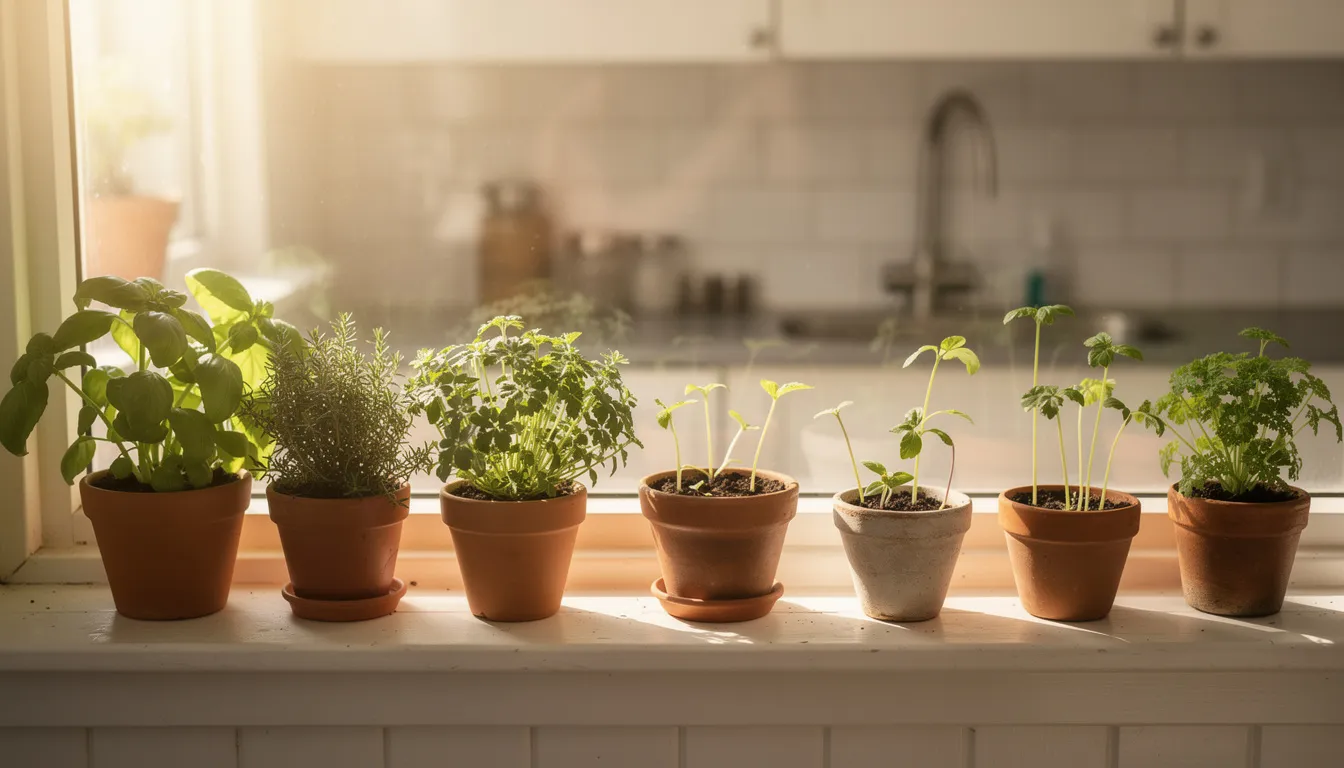
Here’s what many don’t realize: you don’t need sprawling acreage to begin your homesteading journey. A small apartment with a sunny window can support herbs and seed starting. A modest backyard accommodates a few raised beds, a chicken coop, or fruit trees. Limited space has never been a legitimate barrier to learning basic homestead skills. The homesteading lifestyle is about mindset and capability, not land.
Foundation Skills: Where Every Homesteader Should Start
Before venturing into specialized territory, every modern homesteader needs certain foundational abilities. Think of these as the roots that support everything else—master them first, and more advanced skills to learn will come naturally.
Cooking and Food Preparation
Cooking from scratch using whole ingredients forms the cornerstone of the homestead lifestyle. This means understanding how to coax flavor from basic seasonings, how to stretch a whole chicken into multiple meals, and how to transform humble ingredients into nourishing food.
Baking and cooking your own bread connects you to thousands of years of human tradition. Start with simple sandwich loaves, then progress to sourdough starter maintenance. Eventually, you might grind your own flour from wheat berries, controlling every step from grain to table. There’s nothing quite like bread from your own home, warm from the oven.
Meal planning becomes an essential skill when you’re working with what the garden provides rather than what the grocery store stocks. Learn to use every part of ingredients—vegetable scraps become stock, bones become broth, and nothing goes to waste. This isn’t frugality for its own sake; it’s respect for the effort that produced that food.
Cooking with cast iron and wood stoves adds another dimension to your skill set. When you can prepare a complete meal without electricity, you’ve achieved a level of energy independence that brings genuine security.
Basic Food Preservation
Food preservation transforms a summer of abundance into a year of plenty. This valuable skill has kept families fed through winters for millennia, and it remains just as relevant today.
Water bath canning handles high-acid foods beautifully—jams, jellies, pickles, and tomato products. The satisfaction of seeing rows of jars filled with preserved food you made yourself never diminishes. Pressure canning expands your options to low-acid foods including vegetables, meats, and complete meals. Food preservation canning requires attention to safety, but the techniques are straightforward once learned.
Dehydrating fruits, vegetables, and herbs requires less equipment and offers excellent results. Electric dehydrators work well, but solar methods connect you more directly to natural energy. Fermentation opens another door entirely—sauerkraut, kimchi, and cultured dairy products like yogurt and kefir bring both flavor and probiotic benefits to your family’s diet.
Fundamental Repair and Maintenance
Basic carpentry skills save money and solve problems. Learning to measure accurately, cut cleanly, and join wood properly means you can repair outbuildings, build garden structures, and maintain your own homestead without calling for help.
A sewing machine represents freedom from disposable clothing culture. Simple repairs extend garment life dramatically, and eventually you might make your own clothes entirely. Hand sewing skills handle what machines cannot—mending in the field, quick fixes, and fine detail work.
Simple plumbing repairs keep water flowing where it should. Knowing how to properly handle a plunger, replace a faucet washer, or clear a drain prevents minor issues from becoming expensive emergencies. Basic mechanic skills apply the same logic to vehicles and equipment—understanding how engines work means you can maintain them yourself.
Food Production Skills
Growing and raising your own food represents the heart of self-sufficiency. There’s profound satisfaction in sitting down to a meal where everything on the plate came from your own efforts.
Gardening and Plant Cultivation
Healthy soil grows healthy plants. Composting transforms kitchen scraps and animal waste into rich soil amendments. Mulching conserves moisture and suppresses weeds. Adding organic matter year after year builds the foundation for abundant harvests.
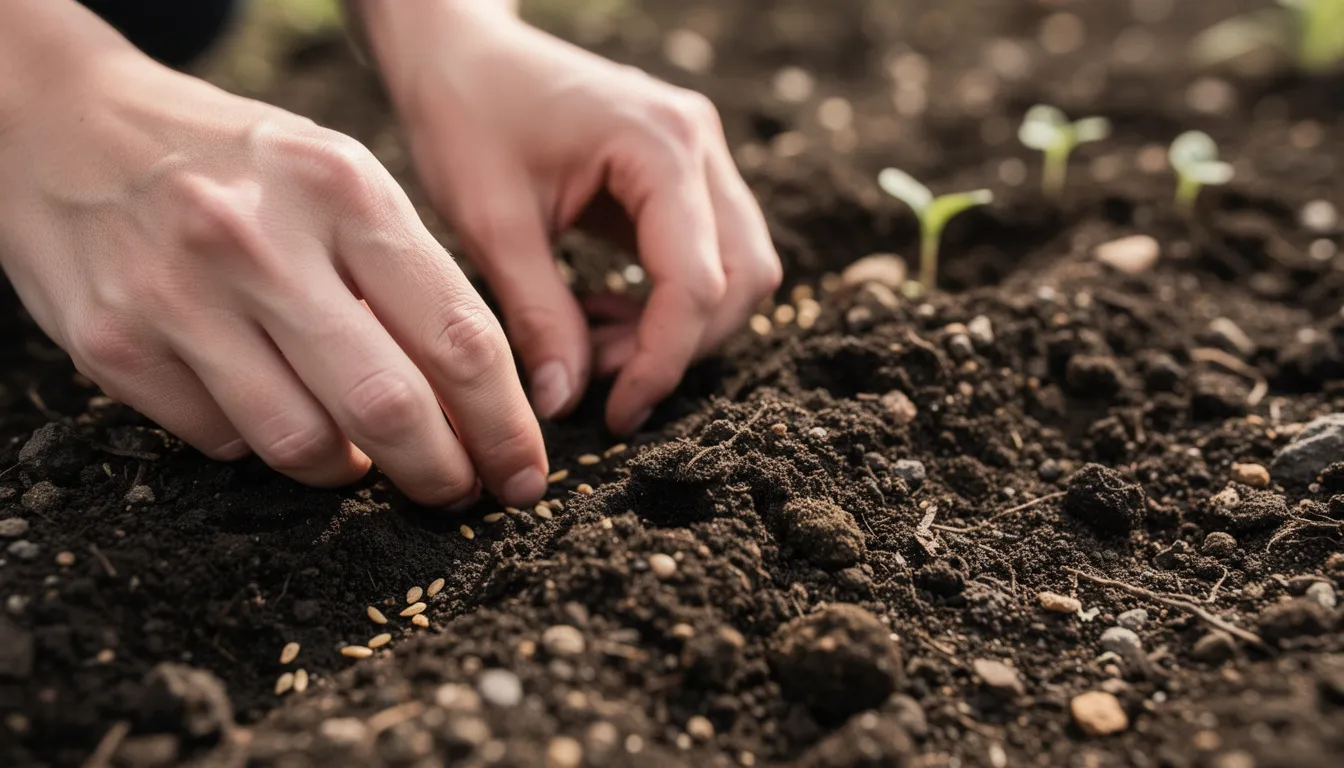
Seed starting indoors extends your growing season significantly. Transplanting seedlings and direct seeding each have their place depending on the crop. Understanding these techniques allows you to grow plants optimally regardless of your climate.
Season extension through cold frames, row covers, and greenhouse growing can add months to your productive year. A modest setup doesn’t require much space—even a few raised beds can benefit from simple protection structures.
Seed saving from open-pollinated varieties closes the loop entirely. When you save seeds, you’re selecting for plants that thrive in your specific conditions, developing varieties perfectly adapted to your own small homestead over generations.
Animal Husbandry
Starting with your own chickens represents a wonderful way to begin with livestock. Building a proper chicken coop, establishing feeding routines, and collecting eggs daily teaches the rhythms of animal care without overwhelming complexity. Free range chickens also provide pest control and fertilizer for your garden.
Dairy animals offer remarkable returns for those with more space. Goats suit smaller properties while cows require more pasture. Learning to milk—whether by hand or machine—and handle raw milk safely opens doors to making your own butter, cheese, and yogurt.
Basic veterinary care becomes necessary knowledge. Vaccinations, wound treatment, and birthing assistance sometimes can’t wait for professional help. Observation skills matter most—noticing subtle changes in behavior often catches problems early.
Meat processing and butchering complete the food production cycle. Starting with chickens or raising rabbits builds skills before tackling larger livestock. Some homesteaders eventually raise their own beef cattle, though meat rabbits provide excellent protein with far less space and infrastructure.
Wild Food and Foraging
Plant identification for common edible weeds and wild plants expands your food sources dramatically. Many so-called weeds—dandelions, lamb’s quarters, purslane—offer excellent nutrition. Learning to recognize and harvest these extends your pantry beyond the garden fence.
Mushroom foraging requires careful study but rewards with flavors unavailable commercially. Start with easily identified species and learn from experienced foragers. Never eat anything you cannot identify with certainty.
Hunting and fishing skills, including field dressing and game processing, require commitment to learn properly. Hunter’s safety courses teach essential fundamentals. Knowing how to cook fish and other wild game connects you to food traditions stretching back to our earliest ancestors.
Ethical harvesting practices ensure sustainable wild food sources for years to come. Taking only what you need and never depleting local populations respects the landscape that provides.
Household Production Skills
These skills reduce dependence on commercial products, often with superior results. Making your own household goods brings satisfaction and saves money while eliminating questionable ingredients.
Natural Health and Beauty
Herbal medicine preparation—including tinctures, teas, and poultices—draws on centuries of traditional knowledge. Understanding which plants serve which purposes takes time, but the practical applications become invaluable, especially when combined with handmade beef tallow soap bars that support gentle, chemical-free skin care.
Soap making using cold process methods with natural tallow-based fats and lye produces far superior results to commercial alternatives. Once you’ve made your own soap, you’ll never want to return to store-bought. This excellent skill also creates great gifts for friends and family.
Homemade lotions and balms using herbs, oils, and beeswax nourish skin without synthetic additives, and incorporating tallow-based natural cleansing balms can further support and protect the skin’s barrier. Natural cleaning products using vinegar, baking soda, and essential oils work remarkably well. Making your own cleaning supplies and even your own laundry detergent eliminates entire categories of commercial purchases.
Textile and Fiber Arts
Wool processing from raw fleece to finished yarn represents a great skill for those with fiber animals. The process teaches patience and rewards with material uniquely suited to your needs, just as carefully crafted natural tallow skincare products provide body care tailored to simple, traditional ingredients.
Knitting and crocheting transform yarn into warm clothing and household items. These portable crafts fill winter evenings productively and pair well with making and using an unscented tallow skincare set for sensitive, hard-working hands. Natural dyeing using plants, roots, and other organic materials adds color without chemicals.
Basic weaving for rugs, towels, and fabric production expands your textile capabilities further. These traditional arts connect you to makers throughout human history and pair beautifully with gifting all-natural tallow skincare sets and bundles that reflect the same handmade, traditional values.
Energy and Resource Management
Reducing dependence on external utilities and suppliers builds genuine independence. These skills require more investment but provide lasting returns.
Alternative Energy Systems
Solar panels with battery storage provide off-grid power for essential needs. Understanding installation and maintenance means you can grow plants under lights, preserve food, and maintain communication regardless of grid status.
Wind and water power generation suit certain locations better than solar. Wood heating remains perhaps the most accessible alternative energy—proper firewood cutting, splitting, and storage ensures warm winters.
Energy conservation techniques reduce overall consumption, making any generation system more effective. Sometimes using less matters more than producing more.
Water and Waste Management
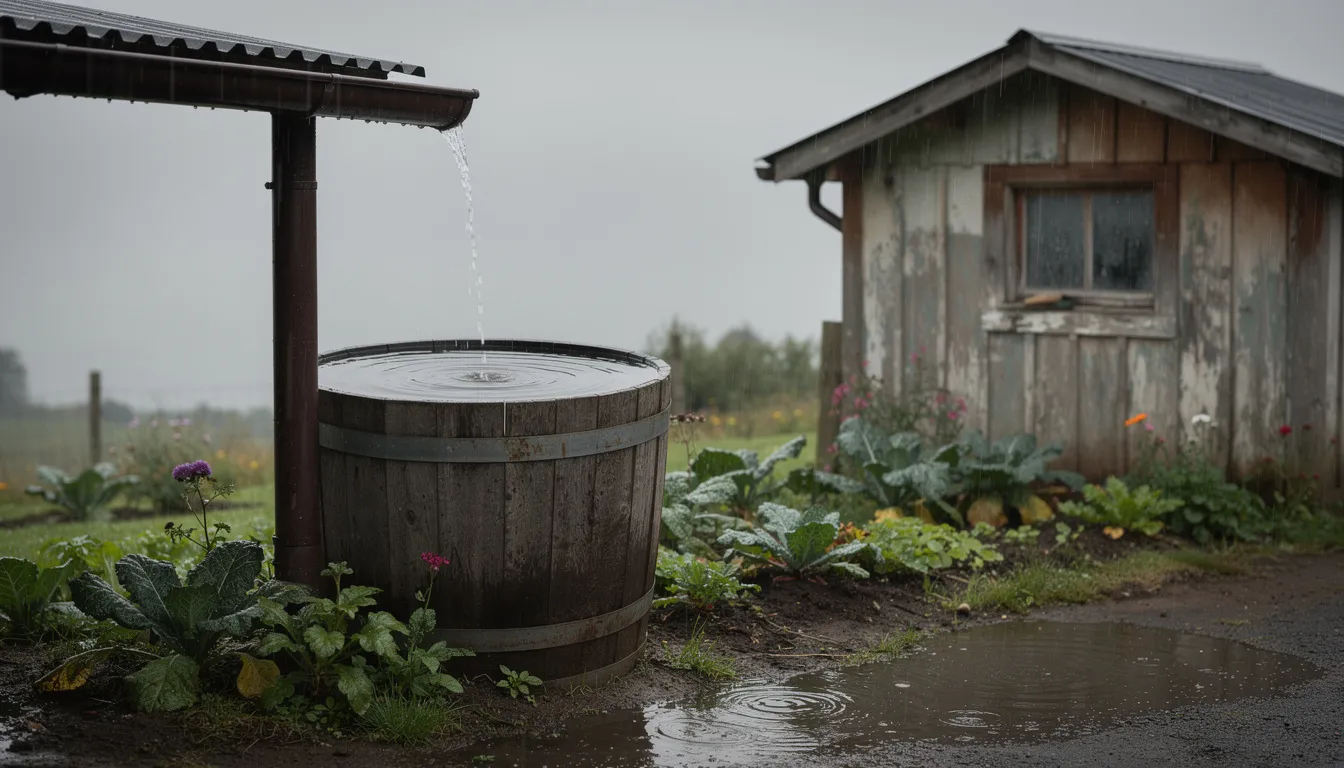
Rainwater harvesting and storage for irrigation and household use captures a free resource. Greywater systems recycle wash and bath water for secondary uses.
Composting toilet construction and maintenance processes waste safely while producing soil amendments. A root cellar provides cool storage without electricity. Well drilling and hand pump installation ensures water independence from municipal systems.
Emergency Preparedness and Survival Skills
These skills provide security during emergencies or disruptions. You may never need them, but knowing them brings peace of mind that no insurance policy can match.
First Aid and Medical Skills
Basic wound care including cleaning, stitching, and bandaging handles injuries when help is distant. CPR and the Heimlich maneuver address life-threatening emergencies in critical moments.
Recognizing and treating shock, hypothermia, and heat-related illness prevents minor problems from becoming dangerous. Childbirth assistance when medical help is unavailable represents knowledge we hope never to need but should possess nonetheless.
Outdoor and Survival Skills
Fire starting without matches using friction and natural materials seems primitive until you need it. Shelter construction for emergency protection from elements could save your life in unexpected circumstances.
Water location and purification in wilderness situations ensures survival when infrastructure fails. Navigation using compass, map reading, and natural landmarks prevents the panic of disorientation.
How to Develop Your Homestead Skills
Start with one skill category and master basics before expanding. Trying to learn everything simultaneously leads to overwhelm and abandonment. Choose what interests you most or addresses your most pressing need.
Find mentors in your community who can provide hands-on instruction. Local farmers, extension offices, and homesteading groups offer connections to experienced practitioners. Nothing replaces watching someone demonstrate a technique and then practicing under their guidance.
Use books, online resources, and workshops to supplement practical experience. A quality blog post or video can introduce concepts, but skills develop through doing. Practice regularly to maintain proficiency and build confidence.
Keep detailed records of successes and failures to improve techniques. What worked, what didn’t, and what you’ll do differently next time—this reflection accelerates learning dramatically.
Connect with other homesteaders to share knowledge and trade skills. A community garden or local farmers market provides opportunities to meet like-minded people. Teaching others reinforces your own understanding while building relationships.
Building Your Skills Timeline
Year 1: Focus on food preservation, basic cooking, and small garden management. These skills to learn first provide immediate returns and build confidence for what follows. Even a few raised beds or a community garden plot suffices.
Year 2-3: Add livestock care, expand gardening, and learn repair skills. Perhaps build a chicken coop, plant fruit trees, or acquire a sewing machine. The homesteading journey unfolds at your own pace.
Year 4-5: Develop advanced food production, alternative energy, and specialized crafts. By now your basic skills have become habits, freeing attention for more complex projects.
Ongoing: Maintain and refine all skills while teaching others in your community. There is always more to learn, and sharing knowledge ensures these traditions survive.
Frequently Asked Questions
Can I learn homestead skills without rural property? Absolutely. Many skills work perfectly in urban and suburban settings. A small apartment supports cooking, baking, food preservation, and fiber arts. A modest yard accommodates a vegetable garden, chickens, or raised beds. Don’t wait for perfect circumstances—start where you are.
How long does it take to become proficient? Basic competency in core areas typically develops over 2-5 years of consistent practice. True mastery represents a lifetime pursuit. The key is steady progress rather than rapid achievement.
What’s the most important skill to learn first? Cooking from scratch. You use this skill daily, it saves money immediately, and it forms the foundation for food preservation and other kitchen-based abilities.
Do I need expensive equipment to get started? No. Start with basic tools and upgrade gradually as skills develop and needs become clear. Many new skills require minimal investment—seed starting needs little more than containers and sunshine.
How do I find teachers and mentors? Local homesteading groups, agricultural extension offices, and farming communities offer connections to experienced practitioners. Farmers markets provide opportunities to meet local farmers who often enjoy sharing knowledge. Online communities connect you with homesteaders worldwide.
What if I make mistakes while learning? Mistakes are normal and valuable—they’re how learning happens. Keep detailed records to understand what went wrong and improve techniques. Every experienced homesteader has stories of failures that taught essential lessons. Embrace the process.


