


Chafing Cream: Complete Guide to Prevention and HealingChafing Cream: Complete Guide to Prevention and Healing
Chafing cream is an essential tool for anyone who experiences skin irritation from friction—whether you’re an athlete, outdoor enthusiast, or simply want to stay comfortable during daily activities. This comprehensive guide covers the causes of chafing, how chafing creams work, key ingredients, application tips, and answers to common questions, so you can protect your skin and stay active. Chafing cream matters because it helps maintain comfort, supports skin health, and enhances your ability to perform daily or athletic activities without distraction or pain.
Chafing cream is an essential tool for anyone who experiences skin irritation from friction—whether you’re an athlete, outdoor enthusiast, or simply want to stay comfortable during daily activities. This guide covers the causes of chafing, how chafing creams work, key ingredients, application tips, and answers to common questions, so you can protect your skin and stay active. Chafing cream matters because it helps maintain comfort, supports skin health, and enhances your ability to perform daily or athletic activities without distraction or pain.
This guide explores everything you need to know about chafing cream—how it works, why it matters, and how to choose the best one for your needs. Chafing creams are designed to create a protective barrier on the skin to reduce friction and prevent irritation. Whether you’re dealing with thigh chafing, saddle sores, or irritation from daily movement, understanding the right prevention and healing strategies can make all the differenceThis guide explores everything you need to know about chafing cream—how it works, why it matters, and how to choose the best one for your needs. Chafing creams are designed to create a protective barrier on the skin to reduce friction and prevent irritation. Whether you’re looking for prevention, healing, or simply want to understand the best ingredients and application methods, this article is for you.
What Is Chafing Cream? Uses, Benefits, and Forms
What Is Chafing Cream? Uses, Benefits, and Forms
Chafing creams are formulated to prevent and soothe skin irritation caused by friction, moisture, and heat. They work by forming a protective barrier on the skin, reducing the risk of rawness, redness, and discomfortChafing creams are formulated to prevent and soothe skin irritation caused by friction, moisture, and heat. They work by forming a protective barrier on the skin, reducing the risk of rawness and discomfort. Here’s what you need to know:
Main Uses: Preventing and healing skin irritation in areas prone to friction, such as inner thighs, underarms, feet, groin, waistband, and beneath breasts.
-
Key Benefits:
Reduces friction and irritation
Soothes inflamed or chapped skin
Supports skin healing and comfort
Enhances performance and enjoyment of physical activities
-
Common Forms:
Balms
Sticks
Creams
Ointments
Powder gels
Chafing creams typically contain lubricants like petrolatum, dimethicone, zinc oxide, or natural oils and waxes. Anti-chafing creams and sticks work by creating a barrier on the skin to reduce friction and prevent irritation.
What Your Skin is Really Telling You About Chafing
Prevents skin irritation and chafing during physical activity or daily movement
Soothes and heals existing irritation
Maintains comfort and supports skin health
Enhances performance by allowing you to move freely without pain
Balms
Sticks
Creams
Ointments
Powder gels
Recognizing Early Signs of Chafing
Lubricants such as petrolatum, dimethicone, zinc oxide, or natural oils/waxes
Moisture-absorbing or skin-soothing ingredients like aloe vera, vitamin E, and calendula
High-Risk Areas for Chafing
Certain body parts carry higher risk simply because of how we are built. The inner thighs bear constant contact during walking. Underarms experience friction with every arm swing. The areas beneath breasts, between buttocks, and within skin folds trap heat and moisture—creating the perfect storm for irritation.
Environmental and Activity Triggers
Recognizing the Signs of Chafing
This is why you experience chafing more intensely during physical activity in humid weather. Sweat softens your skin while increasing the coefficient of friction between surfaces. Add heat, add movement, and even the most resilient skin begins to protestYour skin is remarkably honest. It tells you exactly what it needs—if you learn to listen.
Listening to Your Body’s Signals
High-Risk Areas and Early Warnings
ransition: Now that you know how to recognize the signs and risks of chafing, let’s look at the underlying causes and how they’ve affected people throughout historyCertain body parts carry higher risk simply because of how we are built. The inner thighs bear constant contact during walking. Underarms experience friction with every arm swing. The areas beneath breasts, between buttocks, and within skin folds trap heat and moisture—creating the perfect storm for irritation.
This is why you experience chafing more intensely during physical activity in humid weather. Sweat softens your skin while increasing the coefficient of friction between surfaces. Add heat, add movement, and even the most resilient skin begins to protest.
What Is Chafing and What Causes It?
Chafing is caused by the combination of friction, moisture, and heat. It commonly affects areas where skin rubs against skin or clothing, such as the inner thighs, underarms, and feet. Anti-chafing products are designed to prevent skin irritation caused by friction, moisture, and heat.
Historical and Modern Context
A subtle warmth in areas prone to rubbing
A slight stickiness where skin meets skin
A faint prickling sensation that whispers of discomfort to come
Long before marathon runners worried about thigh chafing or cyclists fretted over saddle sores, our ancestors faced their own battles with friction. Field workers, washerwomen, and travelers all knew the burn of skin on skin rubbing raw after hours of labor. This is not a modern affliction—it is as old as movement itselfUnderstanding these early signs is the first step in effective prevention. Next, let’s explore the underlying causes and historical context of chafing.
When Skin Meets Friction: Understanding the Battle Beneath
What Is Chafing and What Causes It?
Chafing is caused by the combination of friction, moisture, and heat. It commonly affects areas where skin rubs against skin or clothing, such as the inner thighs, underarms, and feet. Anti-chafing products are designed to prevent skin irritation caused by friction, moisture, and heat.
Historical Context and Modern Challenges
At Lady May Tallow, we approach skin protection the way our foremothers did: with respect for what works, patience for what heals, and reverence for ingredients drawn directly from nature’s pharmacy.
Traditional Wisdom Meets Modern Needs: The Heritage of Skin Barriers
Yet modern life creates friction our grandmothers never imagined. Synthetic fabrics that trap moisture. Climate-controlled environments that leave skin unprepared for sudden humidity. Long commutes and sedentary jobs followed by intense weekend activities. Our bodies experience more dramatic shifts between rest and exertion than ever before, and our skin pays the price.
Picture your great-grandmother preparing for a day of harvesting, washing, or walking to market. She didn’t have access to anti chafing products in squeeze tubes or specialized formula in stick format. What she had was wisdom passed down through generations—and access to nature’s most effective protectantUnderstanding chafing cream means understanding the difference between prevention and healing—two distinct approaches rooted in the same traditional wisdom. Prevention builds a protective barrier before friction begins. Healing soothes and repairs once damage is done. Both honor the body’s natural processes rather than fighting against them.
Key Traditional Ingredients
Animal fats: Rendered carefully and stored properly, these fats are nearly identical in composition to human sebum, creating barriers that feel like an extension of the skin itself.
Plant oils: Coconut oil, olive oil, grape seed oil, and castor oil each contributed their own protective qualities.
Beeswax: Served as nature’s perfect sealant—pliable enough to move with the body yet firm enough to stay in place.
With a clear understanding of chafing’s causes and history, let’s look at how traditional wisdom informs modern solutions.
Traditional Wisdom Meets Modern Needs: The Heritage of Skin Barriers
Ancestral Ingredients for Skin Protection
Picture your great-grandmother preparing for a day of harvesting, washing, or walking to market. She didn’t have access to anti chafing products in squeeze tubes or specialized formula in stick format. What she had was wisdom passed down through generations—and access to nature’s most effective protectants.
Animal fats: Rendered carefully and stored properly, these fats are nearly identical in composition to human sebum, creating barriers that feel like an extension of the skin itself.
Plant oils: Coconut oil, olive oil, grape seed oil, and castor oil each contributed their own protective qualities.
Beeswax: Served as nature’s perfect sealant—pliable enough to move with the body yet firm enough to stay in place.
Transition: With this foundation of traditional ingredients, let’s explore what makes a modern chafing cream truly effective.
Choosing Your Guardian: What Makes a Truly Effective Chafing Cream
Key Ingredients to Look For
The best anti chafing product is not the one with the longest ingredient list or the most impressive marketing claims. It is the one that creates an effective protective barrier while honoring your skin’s natural processesThis is the lost art we seek to revive. Not because modern formulations cannot work, but because simple, pure ingredients consistently outperform complex synthetic mixtures. When you protect skin with what it already recognizes, you work with the body rather than against it.
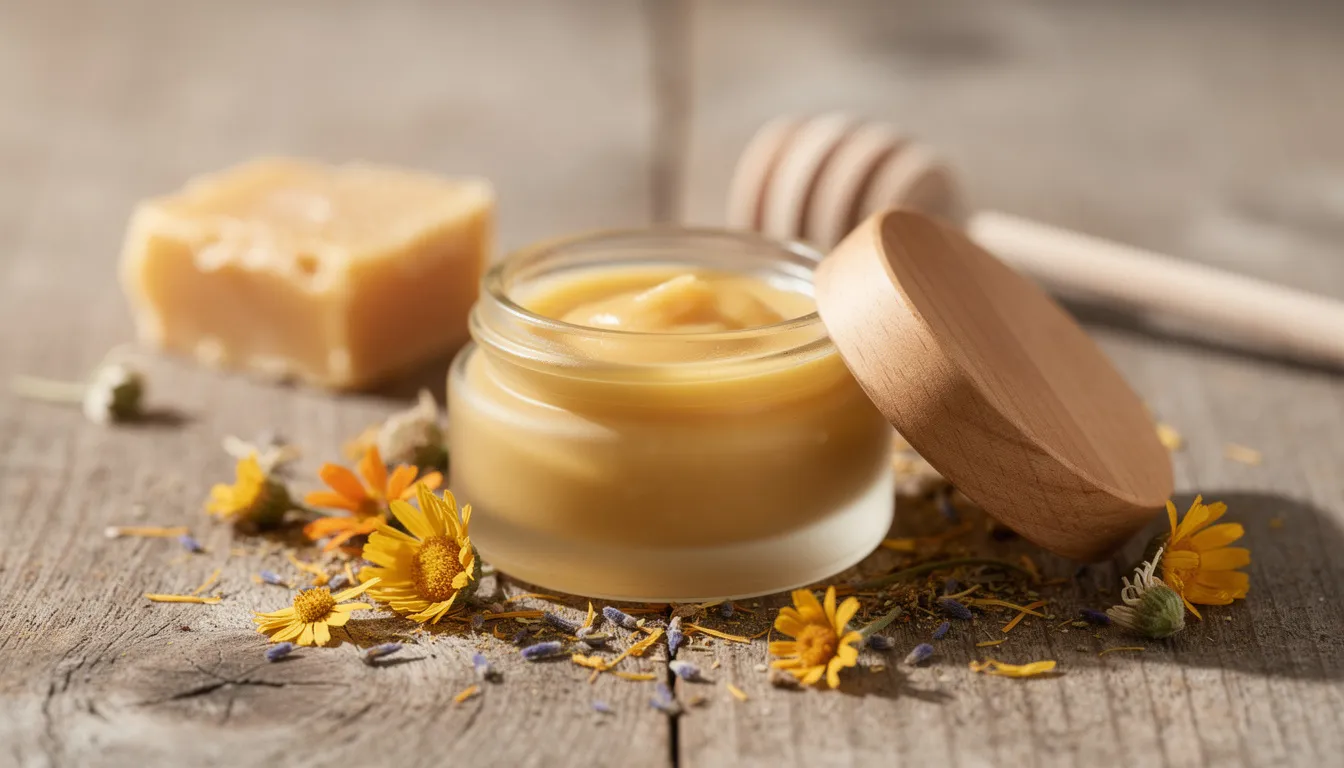
Tallow: Properly rendered beef fat, unmatched for compatibility with human skin.
Coconut oil: Brings antimicrobial strength alongside silky application.
Beeswax: Creates the protective film that keeps everything in place through hours of movement.
Choosing Your Guardian: What Makes a Truly Effective Chafing Cream
Texture and ConsistencyKey Ingredients to Look For
The best anti chafing product is not the one with the longest ingredient list or the most impressive marketing claims. It is the one that creates an effective protective barrier while honoring your skin’s natural processesTexture and consistency matter more than fancy packaging. An anti chafe balm should:
Feel substantial without being heavy
Absorb into skin without leaving sticky residue
Remain in place through sweat and movement
Reading Labels Like a Pro
Tallow: Properly rendered beef fat, unmatched for compatibility with human skin.
Coconut oil: Brings antimicrobial strength alongside silky application.
Beeswax: Creates the protective film that keeps everything in place.
Zinc oxide: Adds a breathable, soothing barrier.
Vitamin E: Offers antioxidant protection.
Calendula, chamomile, plantain: Provide anti-inflammatory and healing benefits.
Texture, Consistency, and Label Reading
Texture and consistency matter more than fancy packaging. An anti chafe balm should feel substantial without being heavy, absorb into skin without leaving sticky residue, and remain in place through sweat and movement.
Learn to read labels the way your great-grandmother would have evaluated ingredients at the general store. If she wouldn’t have recognized a word, question whether it belongs on your skin.
Watch for red flags: synthetic fragrances, harsh preservatives, unnecessary additives.
The best balm credit goes to formulations that are fragrance free for sensitive skin, mess free for day to day activities, and effective enough that reapplication becomes a choice rather than a necessity, much like the best-selling tallow balms and butters that balance purity with performance.
Synthetic fragrances that mask rather than heal
Harsh preservatives that disrupt skin’s natural microbiome
Unnecessary additives that serve the product’s shelf life rather than your body’s needs
Transition: Once you’ve chosen your ideal chafing cream, proper application is key to maximizing its benefits.
The Ritual of Application: Honoring Your Skin with Intention
Preparing Your Skin
The Ritual of Application: Honoring Your Skin with Intention
Preparing Your Skin
How to Apply Chafing Cream
Apply with intention. Warm a small amount between your fingertips to soften it, then smooth over areas prone to friction with gentle, even strokes. You need less than you think. Thicker balms spread further when warmed properly, and overapplication creates the very slipperiness you’re trying to prevent.
Morning Protection Ritual
After bathing, dry skin completely.
Warm a small amount of chafing cream between your fingers.
Apply to inner thighs, underarms, and any other skin that tends to rub during your planned activities.
If using other personal care products, apply chafing protection last—it creates the outermost barrier and should not be diluted by lotions or covered by powders.
Adjust your approach based on what lies ahead. A humid summer day requires more attention to areas prone to sweating. Winter dryness calls for extra protection against chapped skin. Athletic activities demand coverage of hot spots you’ve learned through experience.
Reapplication Throughout the Day
Listen to your body—if you feel warmth or stickiness, it’s time to reapply.
Keep a small container or anti chafing stick in your bag for discreet reapplication.
In a restroom, smooth a fresh layer over problem areas.
Most quality formulations provide staying power of 4-6 hours under normal conditions, longer if you’re less active.
Transition: The effectiveness of chafing cream comes down to its ingredients—let’s take a closer look at nature’s pharmacy.
Nature’s Pharmacy: Ingredients That Have Protected Skin for Centuries
Tallow: The Skin’s Best Friend
Tallow: Rendered from grass-fed beef, contains vitamins A, D, E, and K in forms our bodies immediately recognize and utilize. Creates an occlusive layer that protects skin while still allowing it to breathe.
Coconut Oil: Versatile Protection
Coconut oil: Lauric acid content provides natural antimicrobial action, helping to prevent chafing from progressing into infection. Absorbs quickly, leaving skin protected but not greasy.
Beeswax: Nature’s Barrier
Beeswax: Creates a protective film that resists water and sweat while remaining breathable. Combined with softening oils, it produces balms that stay put through vigorous physical activity yet wash away easily when no longer needed.
Supporting Botanicals and Vitamins
Calendula: Gentle anti-inflammatory properties, soothes irritated skin before damage worsens.
Chamomile: Calms the nervous irritation that accompanies friction burns.
Plantain: Draws out heat and promotes rapid recovery.
Vitamin E: Antioxidant protection, helps skin resist oxidative stress.
Zinc oxide: Creates an additional barrier while promoting recovery in areas already experiencing chafing.
Transition: Chafing isn’t limited to the thighs—let’s explore how to protect your whole body.
Beyond the Thighs: Comprehensive Body Protection
While thigh chafing (affectionately called “chub rub” by those who know it well) claims the most attention, friction threatens skin across your entire body.

Common Problem Areas
Underarms: Suffer during repetitive arm movements—running, swimming, rowing, even vigorous walking.
Beneath breasts: Delicate skin folds trap moisture and heat, creating conditions ripe for irritation.
Between buttocks: Long hours of sitting followed by sudden activity create friction burns.
Feet: Enclosed in shoes that trap sweat, develop blisters at points where friction concentrates.
Seasonal and Activity Considerations
Summer: Heat intensifies sweating, humidity prevents evaporation, and exposed skin makes thigh chafing nearly inevitable.
Winter: Dry skin cracks more readily. Heavy clothing creates new friction zones. The transition between cold outdoors and heated indoors leaves skin perpetually adjusting.
Life Stages and Special Needs
Pregnancy: Redistributes weight and creates new friction zones.
Postpartum: Bodies navigate unfamiliar shapes while healing from birth.
Weight changes, aging skin, and medical conditions: All influence where and how severely you experience chafing.
Transition: Even with the best prevention, sometimes chafing happens—here’s how to heal gently and effectively.
When Prevention Fails: Healing Chafed Skin with Gentle Wisdom
First Aid for Chafed Skin
Sometimes, despite best efforts, prevention fails. You forgot to apply cream before a humid walk. Your protection wore off mid-activity. You encountered conditions more severe than anticipated. When you find yourself with raw, angry, irritated skin, traditional remedies offer gentle paths to recovery.
Steps for Healing
Cleanse gently: Use lukewarm water and the softest possible touch to remove sweat and debris without adding insult to injury. Pat dry; never rub.
Apply healing salve: Focus on soothing anti-inflammatory properties, antimicrobial protection, and ingredients that support skin’s natural repair processes.
Create a healing environment: Keep the area clean and dry when possible. Apply healing salve to maintain moisture without trapping heat. Choose loose, breathable clothing that won’t add friction to already damaged skin.
Seek professional help if needed: In more severe cases—when skin has broken, when signs of infection appear, when healing stalls after several days—consult a healthcare provider.
How to Apply Chafing Cream
Morning Protection Ritual
After bathing, dry skin completely.
Warm a small amount of chafing cream between your fingertips to soften it.
Smooth over areas prone to friction (inner thighs, underarms, beneath breasts, between buttocks, feet).
If using other personal care products, apply chafing protection last—it creates the outermost barrier and should not be diluted by lotions or covered by powders.
Adjust your approach based on weather and activity (more for humid days, extra for winter dryness, targeted for athletic activities).
Reapplication Throughout the Day
Listen to your body—if warmth or stickiness returns, it’s time to reapply.
Keep a small container or anti chafing stick in your bag for discreet reapplication.
In a restroom, smooth a fresh layer over problem areas.
Most quality formulations provide 4-6 hours of protection under normal conditions.
With proper application, you can maximize the effectiveness of your chafing cream and stay comfortable throughout the day. Now, let’s take a closer look at the natural ingredients that make these creams so effective.
Nature’s Pharmacy: Ingredients That Have Protected Skin for Centuries
Tallow: The Skin’s Best Friend
Tallow: Rendered from grass-fed beef, contains vitamins A, D, E, and K in forms our bodies immediately recognize and utilize. Creates an occlusive layer that protects skin while still allowing it to breathe.
Coconut Oil: Versatile Protection
Coconut oil: Lauric acid content provides natural antimicrobial action, absorbs quickly, and moisturizes without overwhelming.
Beeswax: Nature’s Barrier
Beeswax: Creates a protective film that resists water and sweat while remaining breathable. Washes away easily when no longer needed.
Supporting Botanicals and Vitamins
Calendula: Gentle anti-inflammatory properties, soothes irritated skin.
Chamomile: Calms nervous irritation from friction burns.
Plantain: Draws out heat and promotes rapid recovery.
Vitamin E: Antioxidant protection, helps skin resist oxidative stress.
Zinc oxide: Creates an additional barrier and promotes recovery in already chafed areas.
Armed with knowledge of these ingredients, you can choose a chafing cream that truly supports your skin’s health. But chafing isn’t limited to just one area—let’s look at comprehensive body protection.
Beyond the Thighs: Comprehensive Body Protection
Common Problem Areas
While thigh chafing (affectionately called “chub rub” by those who know it well) claims the most attention, friction threatens skin across your entire body.
Underarms: Suffer during repetitive arm movements.
Beneath breasts: Trap moisture and heat.
Between buttocks: Long hours of sitting followed by sudden activity create friction burns.
Feet: Enclosed in shoes that trap sweat, develop blisters at points where friction concentrates.
Seasonal and Activity Considerations
Summer: Heat intensifies sweating, humidity prevents evaporation, and exposed skin makes thigh chafing nearly inevitable.
Winter: Dry skin cracks more readily, heavy clothing creates new friction zones, and temperature transitions challenge skin resilience.
Life Stages and Special Needs
Pregnancy: Redistributes weight and creates new friction zones.
Postpartum: Bodies navigate unfamiliar shapes while healing.
Weight changes, aging, medical conditions: All influence where and how severely you experience chafing.
Understanding your body’s unique needs helps you adapt your protection strategy. But what if prevention fails? Let’s discuss healing.
When Prevention Fails: Healing Chafed Skin with Gentle Wisdom
First Aid for Chafed Skin
Sometimes, despite best efforts, prevention fails. When you find yourself with raw, angry, irritated skin, traditional remedies offer gentle paths to recovery.
Cleanse gently: Use lukewarm water and the softest possible touch. Avoid harsh soaps.
Pat dry: Never rub.
Apply healing salve: Focus on soothing anti-inflammatory properties, antimicrobial protection, and ingredients that support skin’s natural repair.
Wear loose, breathable clothing: Avoid synthetic fabrics that trap sweat.
Monitor for infection: If skin has broken, signs of infection appear, or healing stalls, seek professional help.
With healing underway, you may have questions about daily use, safety, and product selection. Let’s answer some of the most common concerns.
Questions from the Community: Ancestral Wisdom for Modern Concerns
Can I use chafing cream every day safely?
Absolutely. Quality formulations using all natural ingredients work in harmony with your skin’s daily processes. Unlike synthetic products that may cause buildup or sensitivity over time, tallow-based preparations support rather than suppress normal skin function. Daily use in areas prone to friction is not merely safe—it’s wise prevention.
How is traditional chafing cream different from petroleum-based products?
Petroleum jelly and mineral oil derivatives sit atop the skin as foreign substances. They create barriers, certainly, but barriers that neither nourish nor integrate with your natural oils. Body Glide, Gold Bond Friction Defense, and similar products rely heavily on synthetic silicones and petroleum-derived ingredients. Traditional preparations using tallow, coconut oil, and beeswax mirror your skin’s own composition. The body recognizes and welcomes them. Worth noting: petroleum-based products often feel greasier and leave more sticky residue than properly formulated natural alternatives.
What should I do if I develop a rash from chafing cream?
Discontinue use immediately. Wash the area gently and observe. True reactions to all natural, fragrance free formulations are rare, but individual sensitivities exist. Lanolin, present in some traditional preparations, affects roughly 5-10% of people. If irritation persists beyond what simple chafing would cause, consult a healthcare provider. Prevention should never cause worse problems than friction itself.
How long does natural chafing cream protection last during activity?
Expect 4-6 hours of effective protection under normal conditions, potentially longer during less intense activity. Sweat resistant formulations may extend this, though extreme humidity or water immersion will reduce staying power. Marathon runners report success covering 26.2 miles with pre-race application; cyclists find similar durability. Water proof claims vary—pure tallow and beeswax formulations resist moisture well but will eventually yield to prolonged soaking. Plan reapplication accordingly.
Can children and sensitive skin types use the same formulations?
Simple, all natural formulations suit most sensitive areas and skin types, including children. The lack of synthetic fragrances, harsh preservatives, and complex chemical compounds reduces reaction risk dramatically. However, always patch test new products on a small area before broad application—especially for children or those with known sensitivities. Extra protection for delicate skin comes from simplicity, not additional ingredients.
How do I store chafing cream to maintain its effectiveness?
Traditional preparations fare best at stable, moderate temperatures. Avoid extreme heat (which can cause separation) and extreme cold (which hardens consistency). Keep containers closed when not in use to prevent oxidation. Most quality natural formulations remain effective for 6-12 months; if texture, scent, or color changes significantly, it’s time for fresh product. A lip balm-sized container travels well without temperature extremes affecting it.
Your skin carries you through every moment of your life. It deserves protection drawn from generations of wisdom—ingredients our bodies recognize, formulations that honor rather than overwhelm natural processes, and application rituals that transform daily care into moments of intention. This is the old way. This is the better way. This is the Lady May Tallow way.


